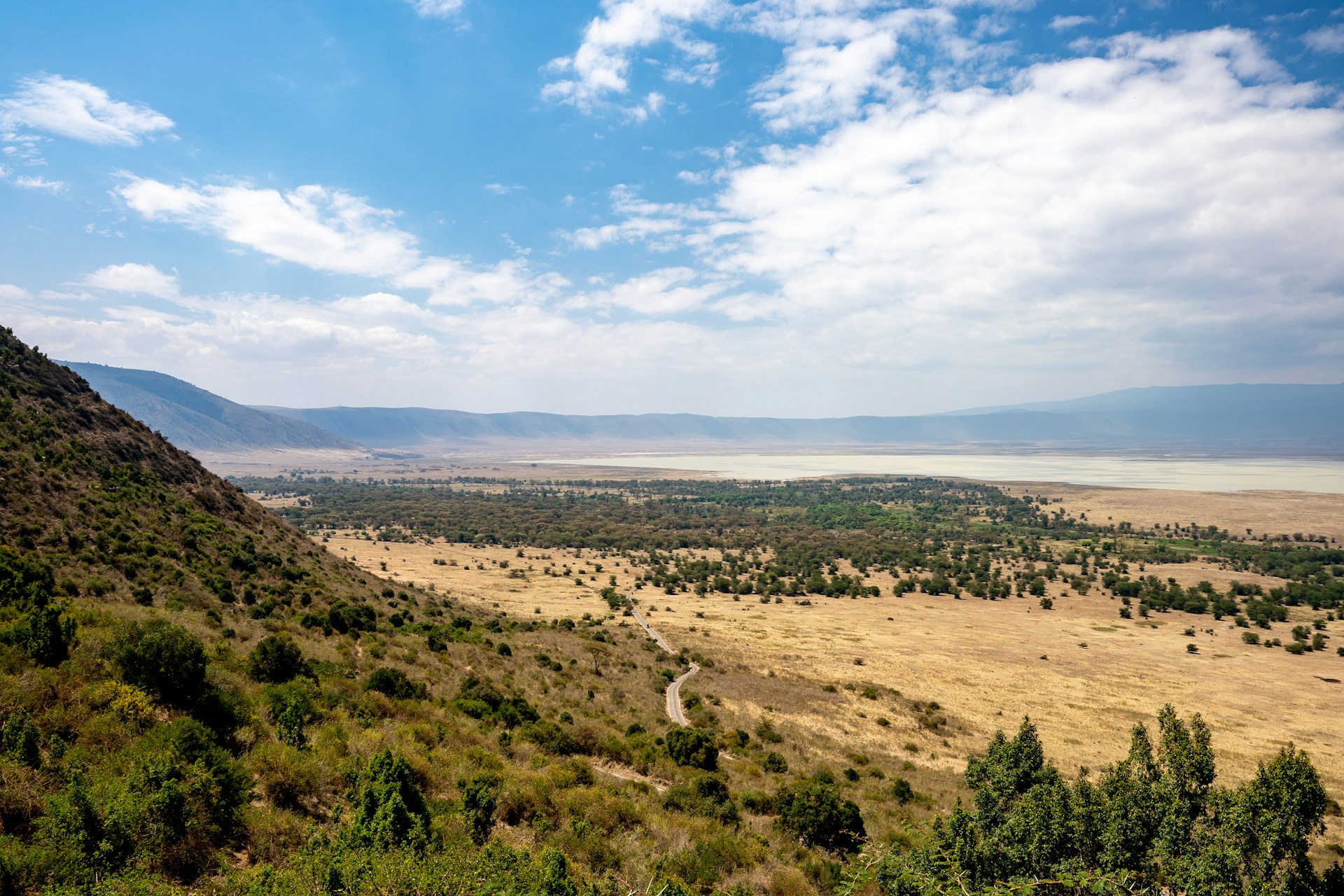
The Ngorongoro Conservation Area (NCA) is a place where geology, wildlife, culture, and conservation intersect in a way found nowhere else. Located in northern Tanzania between the Serengeti National Park and Lake Manyara, this UNESCO World Heritage Site covers more than 8,000 square kilometers of highland plains, volcanic craters, forests, and grasslands.
At the heart of the Conservation Area lies the legendary Ngorongoro Crater, often described as the world’s largest intact caldera. This natural amphitheater shelters one of the densest concentrations of wildlife in Africa, making it a crown jewel of Tanzania safari experiences and a global symbol of ecological balance.
Geological Origins of the Ngorongoro Crater
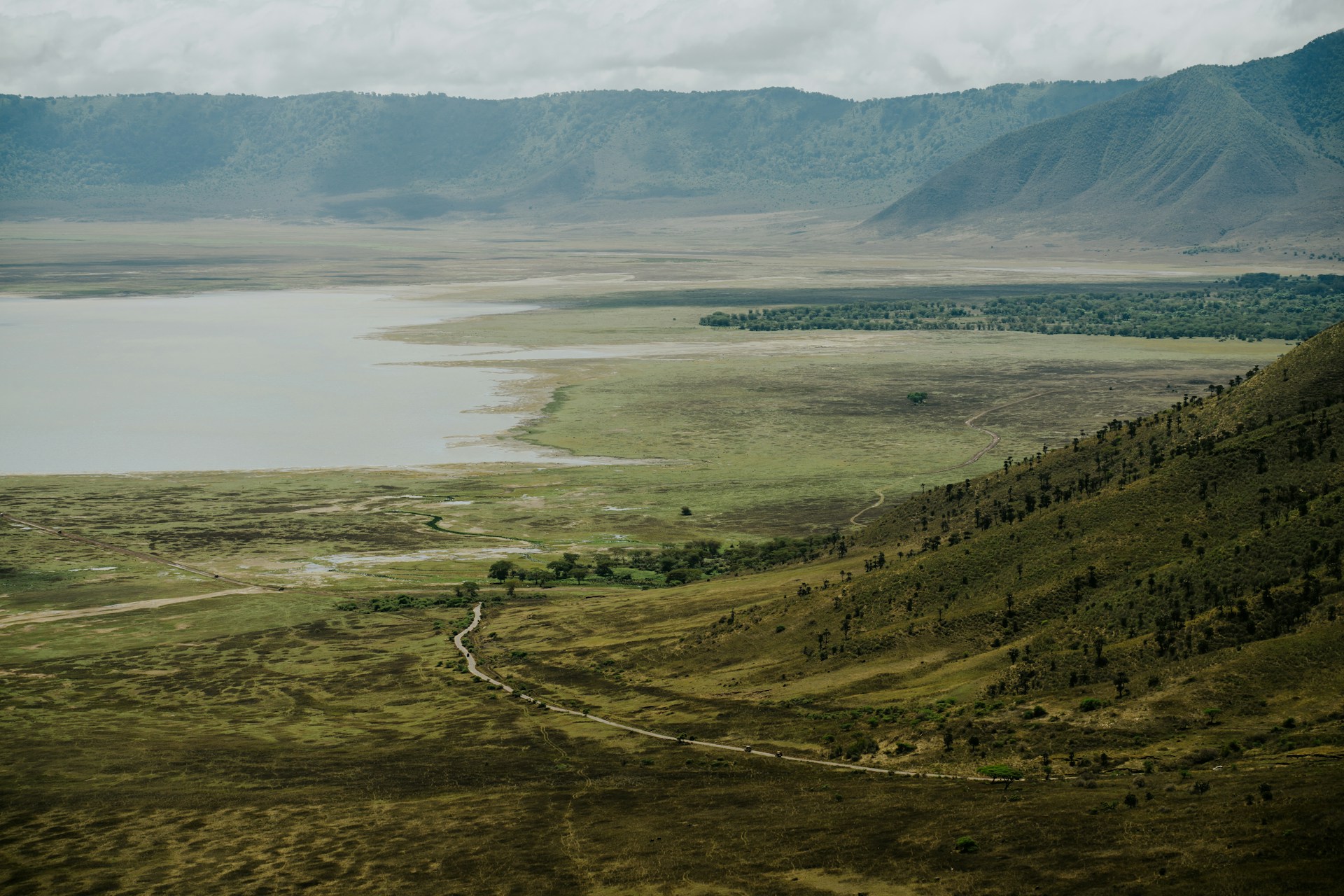
The formation of Ngorongoro dates back approximately two to three million years when a massive volcano erupted and collapsed inward, creating the vast crater we see today. This geological event is one of the most significant in East Africa’s tectonic history. The crater spans roughly 260 square kilometers, with walls rising to 600 meters high, forming a natural enclosure that protects its wildlife.
Over millennia, rainwater collected at the base, forming seasonal lakes, rivers, and swamps. The presence of Lake Magadi, a shallow alkaline lake, plays a crucial role in sustaining birdlife, particularly flamingos, while nearby grasslands support large herbivores.
Wildlife Diversity
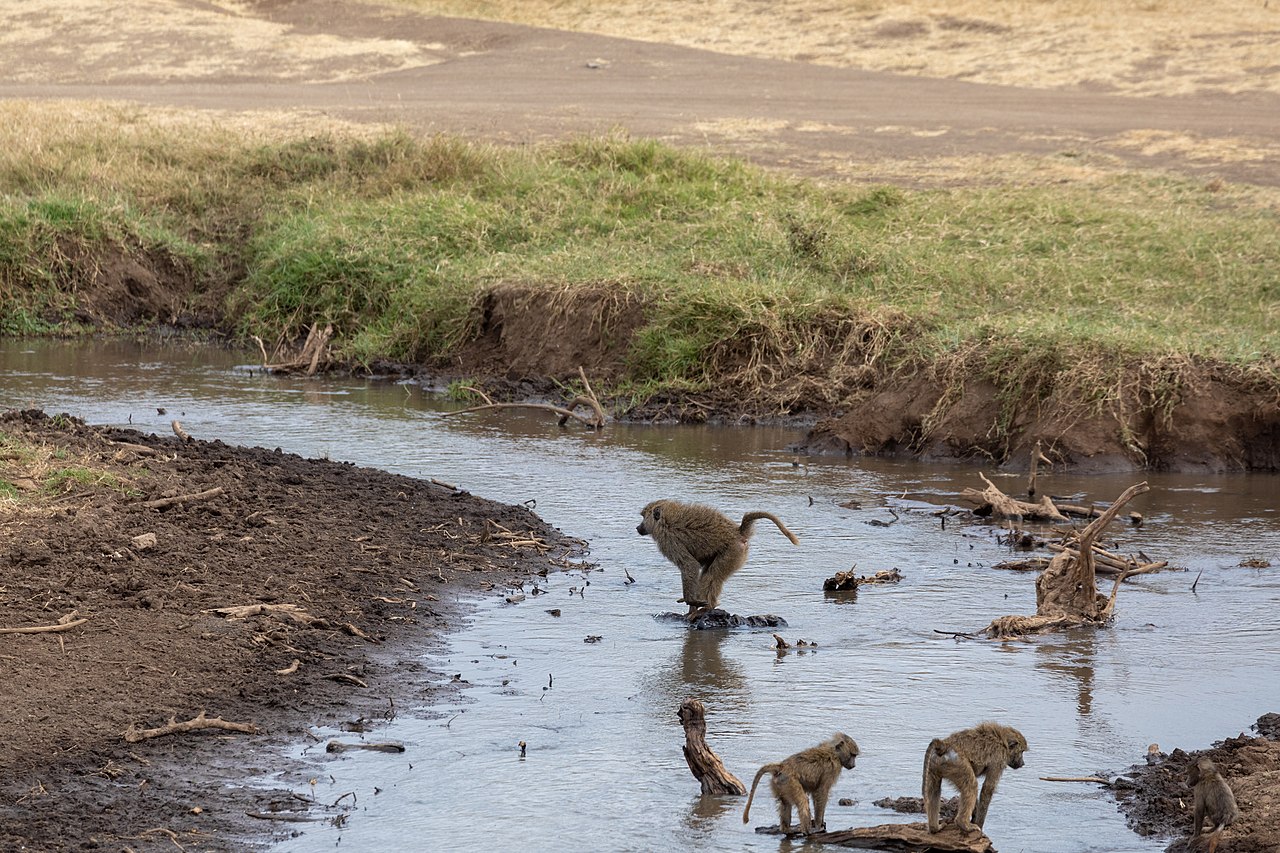
Ngorongoro is globally celebrated for its year-round wildlife viewing, making it one of Africa’s most reliable safari destinations. You’ll find here an extraordinary concentration of species within a relatively confined space. The crater is home to the Big Five: lion, elephant, buffalo, leopard, and rhinoceros. Notably, Ngorongoro hosts one of the highest populations of black rhinos in Tanzania, a species critically endangered elsewhere.
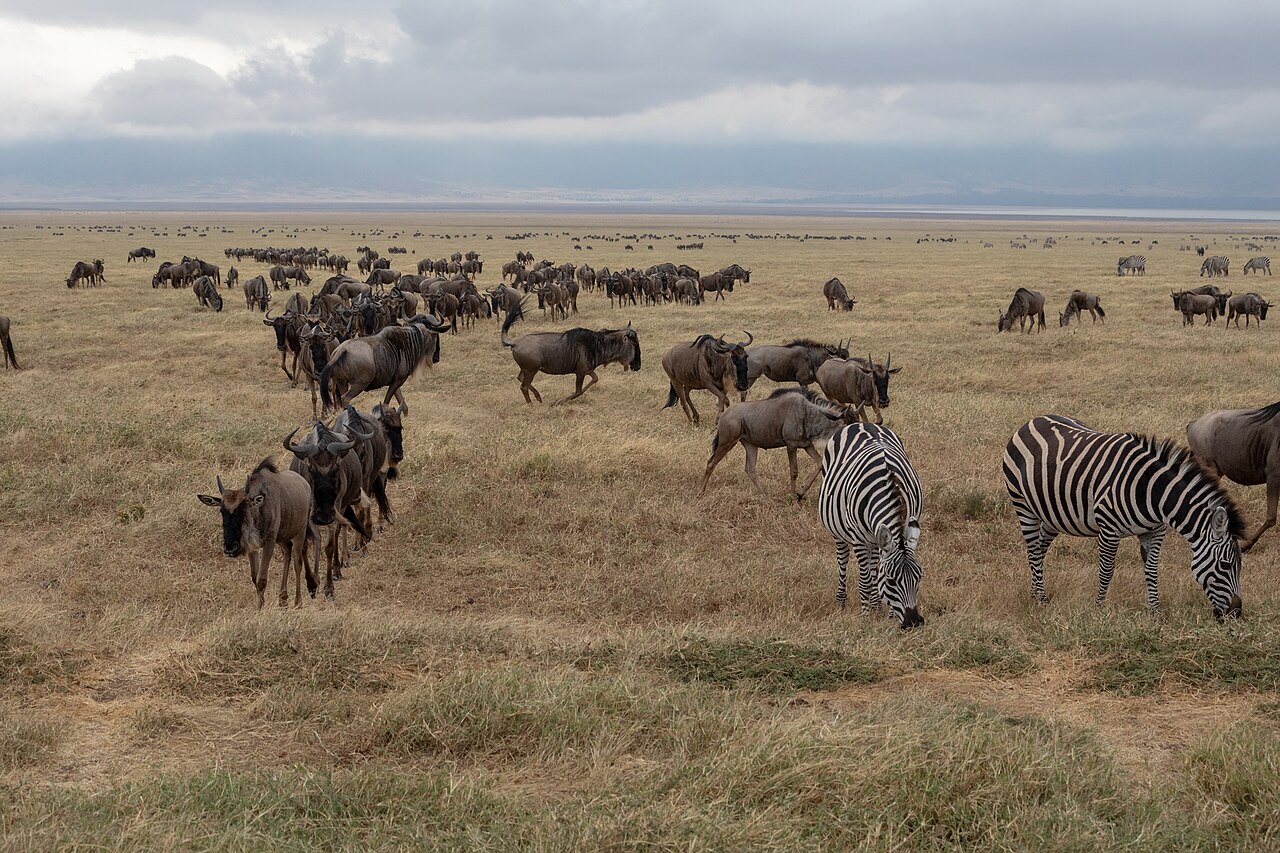
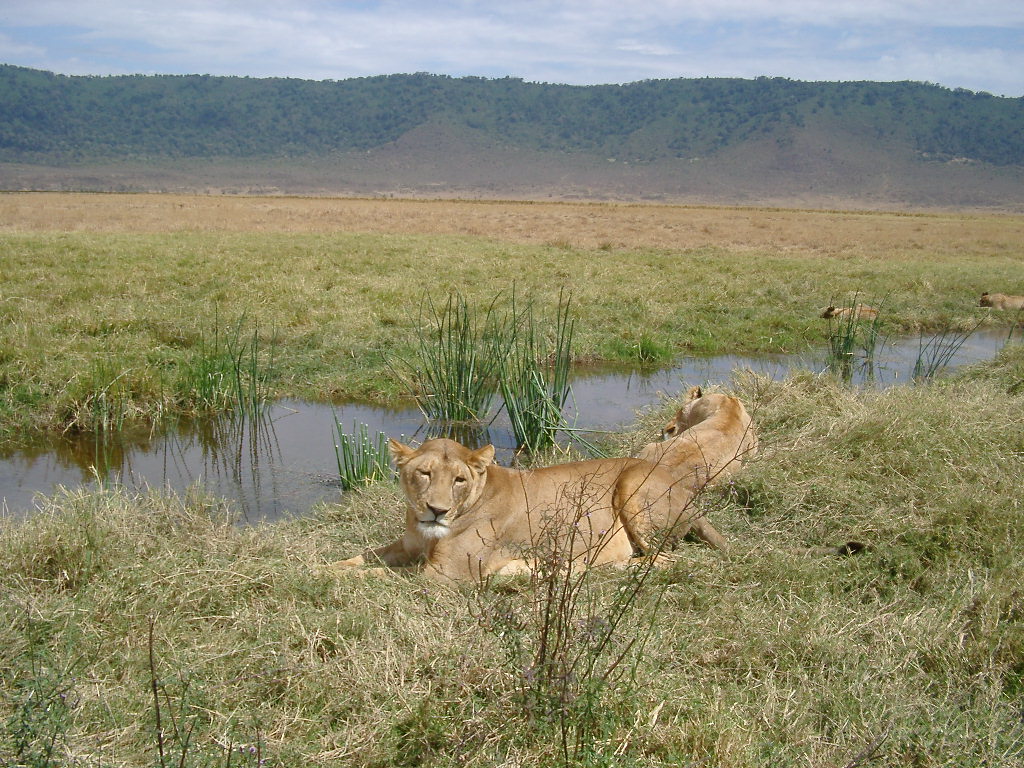
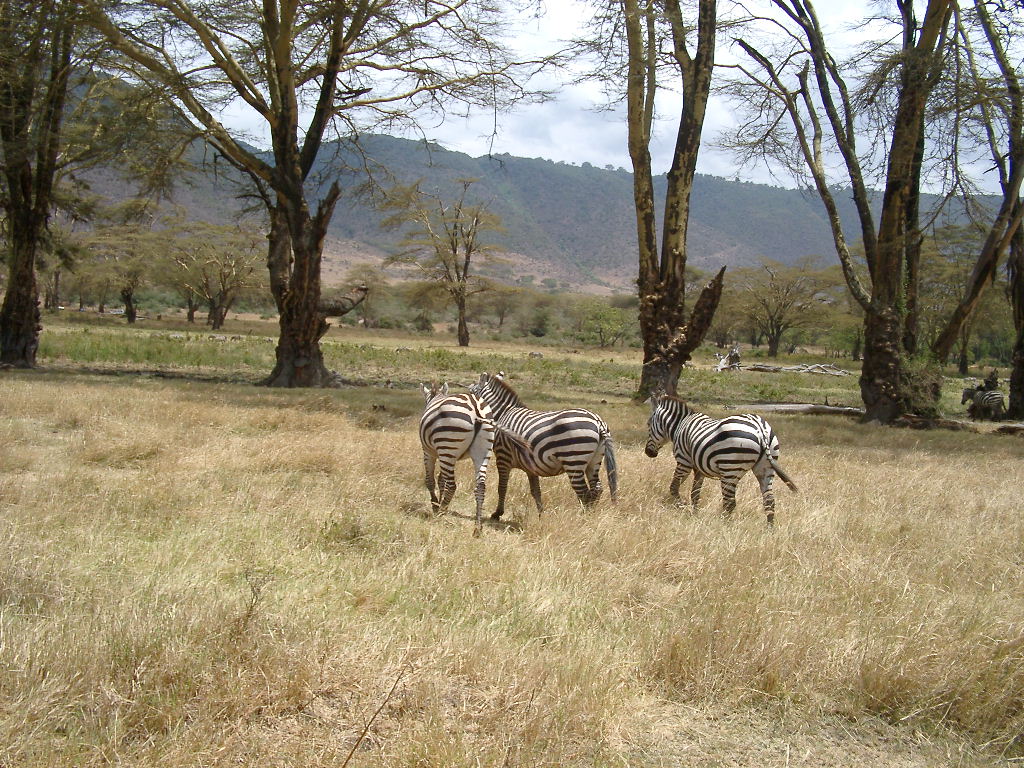
Lions dominate the grasslands, often seen lounging in prides beneath acacia trees. Elephants roam along the Lerai Forest, while buffalo herds gather near swamps and waterholes. There are also large populations of wildebeest, zebra, gazelle, and warthog, thus creating a constant cycle of predator-prey interaction that defines the African wilderness.
Birdlife thrives here as well. More than 500 species have been recorded, including ostrich, kori bustard, crowned crane, and secretary bird. The wetlands attract migratory species, making Ngorongoro a paradise for ornithologists. This biodiversity is not accidental but the result of careful conservation and natural abundance.
Maasai Culture and Human Heritage
Unlike many protected areas, Ngorongoro is unique because it allows Maasai pastoralists to live within its boundaries. It’s a rare example of coexistence between traditional communities and wildlife conservation. The Maasai have inhabited these lands for centuries, grazing cattle across the plains and maintaining a nomadic lifestyle closely tied to nature.
Visitors can engage with Maasai villages, learning about their customs, beadwork, and spiritual connection to the land. We view this as an intrusion but as an integral part of Ngorongoro’s identity. The coexistence of people and wildlife makes this Conservation Area a living cultural landscape rather than a museum of nature.
The Great Migration Connection
While the Great Migration primarily unfolds in the Serengeti, Ngorongoro plays a crucial supporting role in this annual spectacle. During certain months, wildebeest and zebra herds move through the Conservation Area’s outer plains, particularly the Ndutu region. This is a critical calving ground, where thousands of newborn animals take their first steps.
Predators follow closely, creating dramatic wildlife encounters that attract photographers from around the world. Ngorongoro is a migration corridor and a sanctuary, reinforcing its ecological significance within the broader Serengeti ecosystem.
Best Time to Visit Ngorongoro
We, Meektrails Safaris, recommend visiting Ngorongoro throughout the year, as wildlife remains present regardless of season. However, conditions vary significantly:
- Dry Season (June to October): Ideal for game viewing, as animals gather around water sources and vegetation is sparse.
- Wet Season (November to May): The landscape turns lush and green, offering stunning scenery and excellent birdwatching.
Photographers often prefer the wet season for its vibrant colors, while traditional safari-goers favor the dry months for easier sightings. We encourage travelers to plan based on their priorities, whether wildlife density or visual beauty.
Safari Experiences Inside the Crater
A descent into the Ngorongoro Crater is one of Africa’s most thrilling safari experiences. Drive along steep, winding roads before emerging onto the crater floor, where wildlife sightings begin almost immediately.
Popular activities include:
- Game drives across the crater floor
- Birdwatching at Lake Magadi
- Picnics near hippo pools
- Guided nature walks on the crater rim
- Cultural visits to Maasai villages
Each experience deepens our appreciation for Ngorongoro’s ecological and cultural richness.
Access and Travel Logistics
Ngorongoro is easily accessible from Arusha, Tanzania’s safari hub. Most visitors arrive by road as part of a northern circuit itinerary that includes Serengeti, Tarangire, and Lake Manyara. Alternatively, charter flights land at nearby airstrips such as Manyara or Ndutu.
As a reputable tour operator, Meektrails Safaris Ltd, ensures smooth travel arrangements, knowledgeable guides, and responsible tourism practices. Click our tours page for safaris in Kenya, Tanzania, Uganda, and beyond.

Gallery
Explore Tours


Tarangire National Park | Lake Manyara NP | Ngorongoro Conservation Area | Serengeti National Park
10 days
0
/5
$2650
More Information