
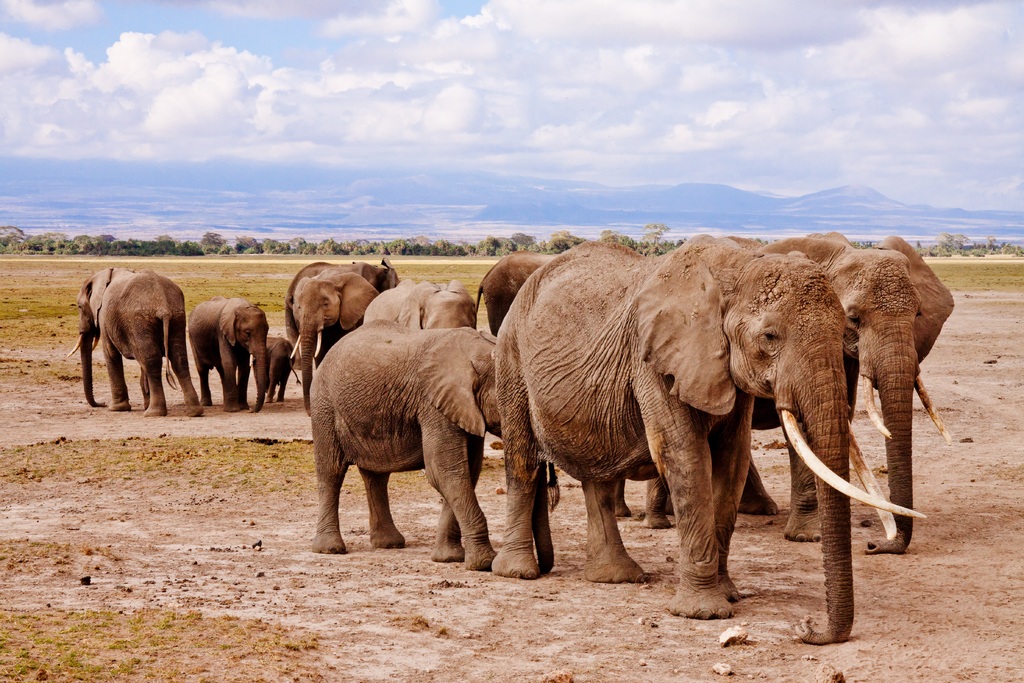
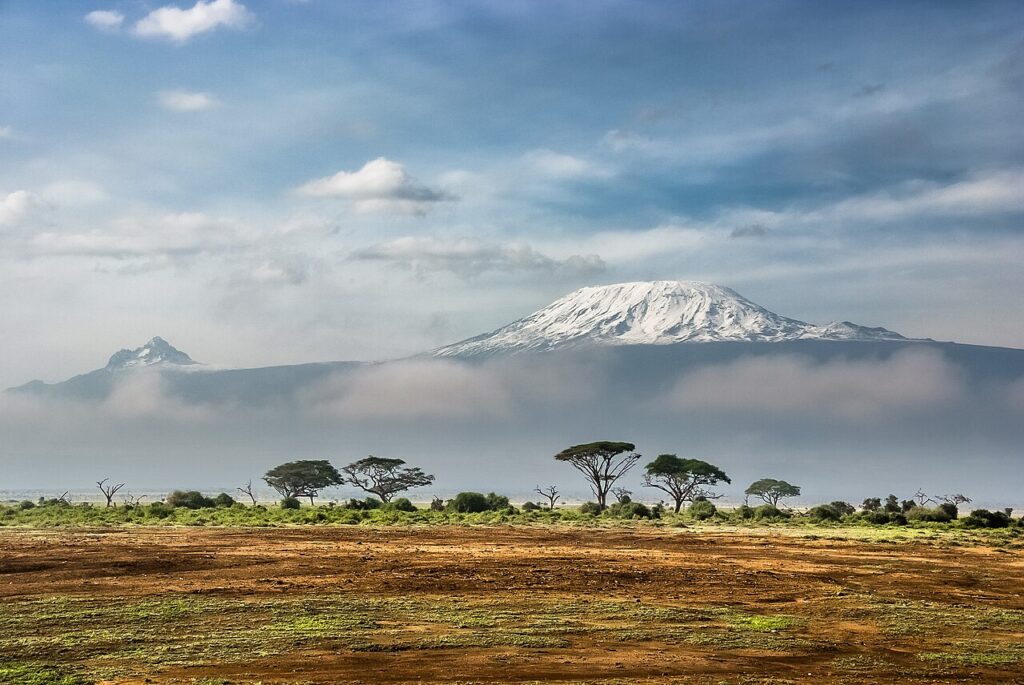
You’ve probably seen those photos or videos of elephants walking across open grasslands with Mount Kilimanjaro in the background. That’s Amboseli National Park.
But what else can you see when you visit? When is the best time to go, and how many days should you allow? Let’s look at the park’s wildlife, main attractions, best time to visit, and what to consider when planning your safari.
What Makes Amboseli National Park Special?
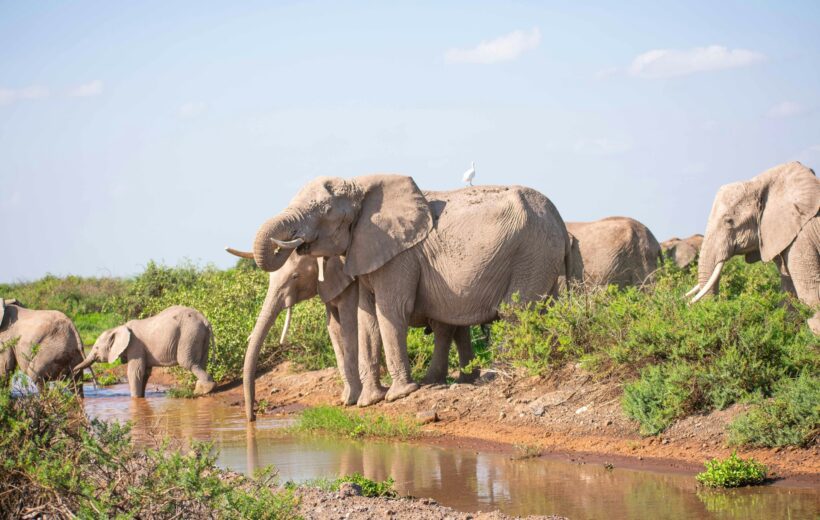
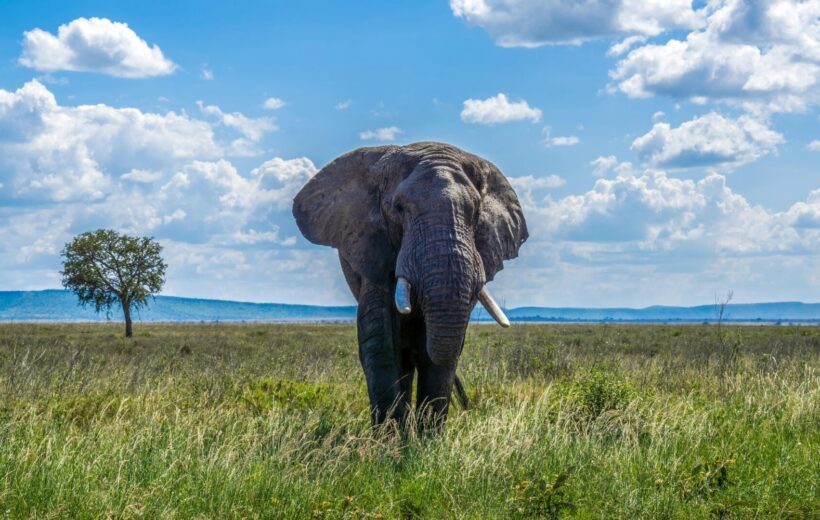
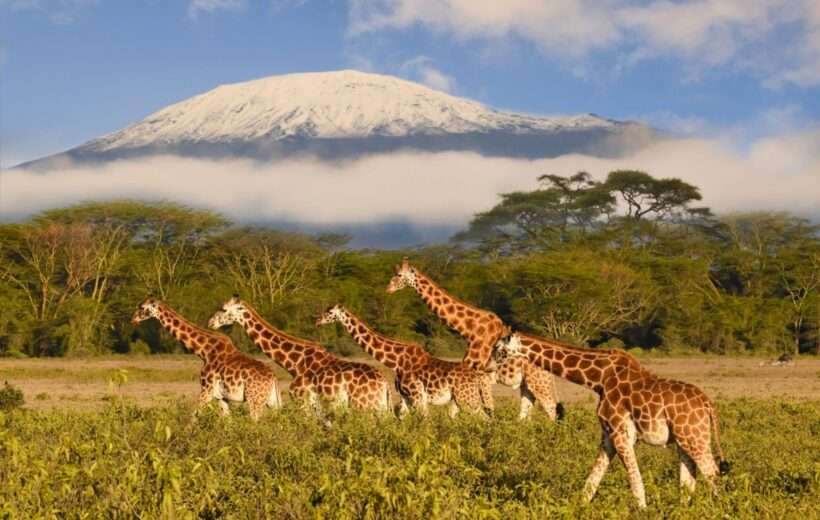
Located in Kajiado County in southern Kenya, Amboseli National Park sits close to the Tanzania border, with Mount Kilimanjaro rising across it. The park is famous for its elephant herds. You can watch elephants move across the plains, gather around swamps, bathe in the water, and feed alongside their young. But elephants aren’t the only animals you’ll see there.
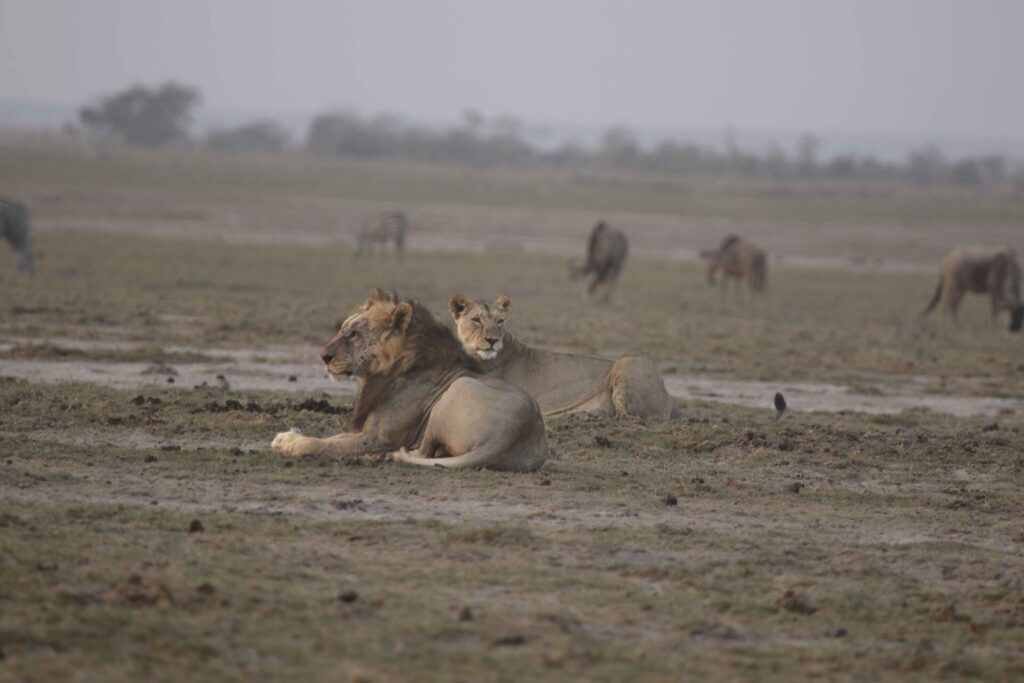
Amboseli is also home to lions, cheetahs, buffaloes, zebras, wildebeest, giraffes, and several other mammal species. Its wetlands and seasonal lakes also support a variety of birdlife.
One interesting feature of the park is its water supply. Although much of Amboseli looks dry and dusty, underground water from the Kilimanjaro catchment feeds permanent swamps. These wetlands provide an important source of water for wildlife, particularly during the dry season.
This combination of open grasslands, woodland, and wetlands gives Amboseli a different character from parks such as the Masai Mara.
What Should You See and Do in Amboseli?
There are several ways to enjoy your visit, although game drives will probably take up most of your time. Here are some attractions and activities to include in your itinerary.
1. Go on game drives
Start with the park’s main attraction: wildlife viewing. Early morning and late afternoon are generally good times for game drives. Animals tend to be more active during the cooler hours, giving you opportunities to spot elephants, lions, cheetahs, and other wildlife.
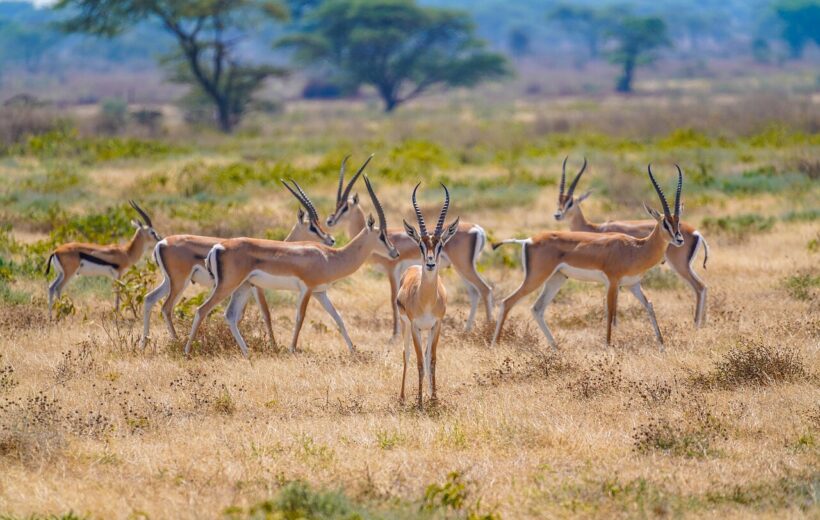
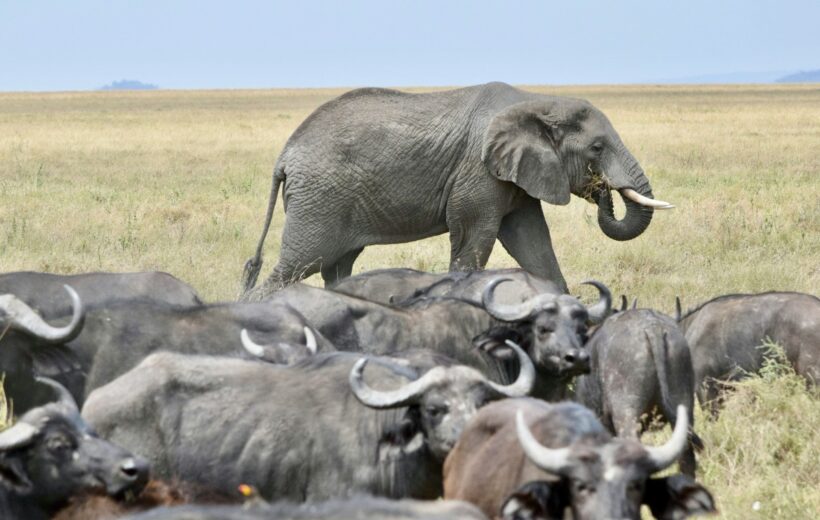
The swamps are particularly interesting places to explore. You may find elephants gathering near the water, buffaloes grazing in the marshes, and birds feeding around the wetlands. But don’t spend the entire drive looking for large animals. Watch out for the smaller ones, too. You might spot different antelope species, interesting birdlife, or other creatures you would easily miss if you’re only looking for elephants.
2. Visit Observation Hill
Want a different perspective of the park? Head to the Observation Hill (Nomatior). It’s one of the few designated places where visitors can get out of their safari vehicles and enjoy panoramic views of Amboseli.
From the top, you’ll see the surrounding plains, wetlands, and wildlife areas. It’s also a good place to see just how much the park’s landscape changes from one section to another. Don’t forget your camera. The elevated viewpoint will give you opportunities to take photos of the park beyond the usual wildlife close-ups.
3. Photograph Mount Kilimanjaro
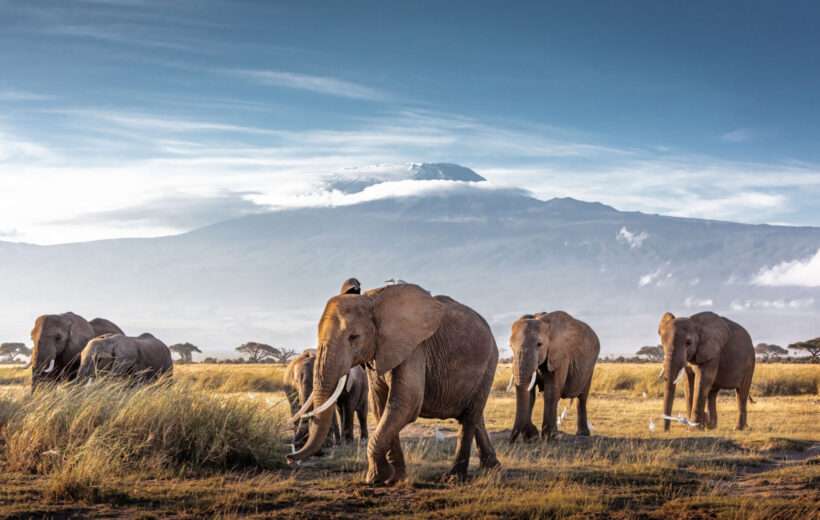
This is probably the image you’ve seen most often when reading about Amboseli. Large elephant herds walking across open grasslands, with Mount Kilimanjaro as a backdrop.
The mountain is actually in Tanzania, but Amboseli gives some of the best opportunities to photograph it alongside Kenya’s wildlife. For clearer views, have your camera ready early in the morning. Clouds often build around the mountain later in the day, sometimes hiding its summit completely.
You can also take photos during late afternoon game drives, when the softer light creates interesting conditions for wildlife photography. Remember that a clear view isn’t guaranteed. Weather conditions change, so you may need a little patience.
4. Enjoy birdwatching
Amboseli isn’t just for elephant enthusiasts. The park is one of Kenya’s Important Bird Areas, with more than 400 recorded bird species, including waterbirds and birds of prey. Look out for pelicans, flamingos, African fish eagles, kingfishers, and crowned cranes, among others.
The marshes and seasonal lakes are particularly interesting for birdwatching. If birds are a priority, consider visiting during the wetter months, when migratory species arrive, and the wetlands become more active.
5. Experience Maasai Culture
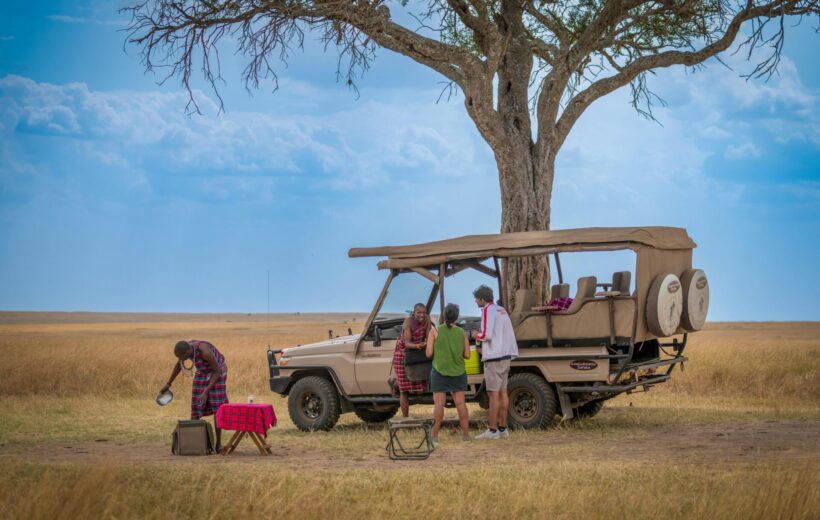
The Amboseli ecosystem is also home to Maasai communities who live around the park and its surrounding conservation areas. You can arrange a cultural visit to a local Maasai village or manyatta to learn about traditional homes, livestock keeping, clothing, and aspects of community life.
Some visits also introduce tourists to community conservation initiatives and the relationship between local livelihoods and wildlife protection. Check whether your safari package includes a cultural visit or whether you’ll need to pay separately.
When Is the Best Time to Visit Amboseli National Park?
Amboseli is a year-round safari destination, but some months offer better conditions for particular activities.
June to October is generally a good period for wildlife viewing. These are the drier months, when animals tend to gather around permanent water sources. The vegetation is also less dense, making it easier to spot wildlife. This period is particularly suitable if you want to photograph elephants around the swamps or enjoy several game drives.
January and February are another good option. The weather is generally dry, and wildlife viewing can be rewarding. Temperatures can be warmer, though.
What about the rainy seasons? The long rains generally fall between March and May, while the short rains arrive around November and December.
During these months, the park becomes greener, and birdlife can be particularly interesting. However, some tracks may become muddy, and heavy rainfall can affect game drives. You may also find fewer visitors compared with the peak dry-season months.
For the best chances of seeing Mount Kilimanjaro clearly, early mornings are worth prioritizing regardless of when you visit. The KWS weather guide provides additional information about Kenya’s seasonal conditions.
How Many Days Should You Spend in Amboseli?
Two or three days is a good starting point. That gives you time for several game drives without feeling rushed. If you’re combining parks, allow enough time for the drive to and from Amboseli as well as time inside the park. You can browse ready-made itineraries that include Amboseli on the Meektrails Safaris website.
How Much Does an Amboseli Safari Cost?
Your budget depends on when you travel, the size of your group, your accommodation, and whether you use a private vehicle or join a shared safari. Park entry fees are another cost to account for. Check the latest KWS Amboseli National Park entry fees before travelling.
When comparing safari packages, ask whether park fees, accommodation, meals, game drives and transfers are included in the quoted price.
How Do You Get to Amboseli National Park?
Most road safaris to Amboseli start in Nairobi. You can reach the park through Iremito Gate via Emali, a 204-kilometre route, or through Meshanani Gate via Namanga, about 220 kilometres from Nairobi. Allow around four to five hours, depending on traffic, road conditions and your chosen gate.
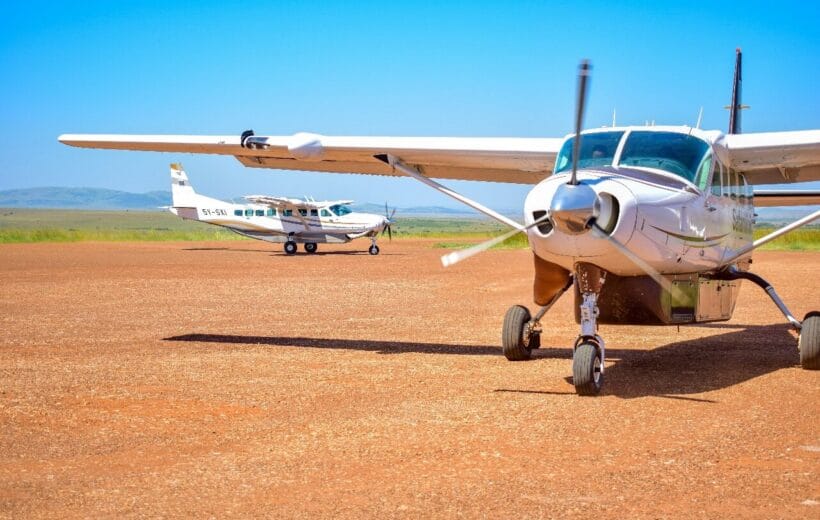
A 4 by 4 safari vehicle is a sensible choice, especially during the rainy season. You can also fly from Wilson Airport to Amboseli Airstrip (ASV), the main airstrip inside the park. The flight generally takes around 35 to 60 minutes.
Don’t confuse it with Kimana Airstrip, which is a separate airstrip near Kimana Gate, on the eastern side of the park. Confirm which airstrip your flight uses and arrange your transfer to the lodge or camp before departure.
A Few Things to Pack
Amboseli can be warm during the day, but early mornings and evenings may be cool. Pack lightweight clothing, a warm layer, comfortable shoes, a hat, sunglasses, and sunscreen.
Binoculars and a camera are useful for wildlife viewing, while insect repellent and a reusable water bottle are worth carrying.
Remember that single-use plastics are prohibited in Kenya’s national parks, and follow your guide’s instructions around wildlife.
Ready to explore Amboseli?
Amboseli National Park has more to offer than elephants and Mount Kilimanjaro views. Give yourself a couple of days to explore, enjoy a few game drives, and see what else you can spot along the way.
Amboseli National Park | Lake Nakuru | Masai Mara
$1306
More Information
Popular

Masai Mara | Amboseli | Lake Naivasha | Hell's Gate | Lake Nakuru NP
$2765
More Information

Masai Mara | Diani | Amboseli NP | Lake Naivasha
$2630
More Information
Amboseli NP | Ol Pejeta Conservancy | Masai Mara
$2570
More Information
Amboseli | Lake Naivasha | Lake Nakuru National Park | Masai Mara
$1505
More Information
Popular
Amboseli | Lake Naivasha |Lake Nakuru NP | Masai Mara
$1815
More Information
Popular
Amboseli | Naivasha | Hell's Gate | Lake Nakuru NP | Masai Mara
$2050
More Information
Amboseli National Park | Masai Mara
$5710
More Information
Popular
Amboseli National Park | Ol Pejeta Conservancy | Samburu National Park | Hell's Gate | Lake Naivasha | Masai Mara
$2820
More Information
Amboseli | Naivasha | Hell's Gate | Lake Nakuru | Masai Mara
$1620
More Information