


Can You Go on Safari Without Leaving Nairobi?
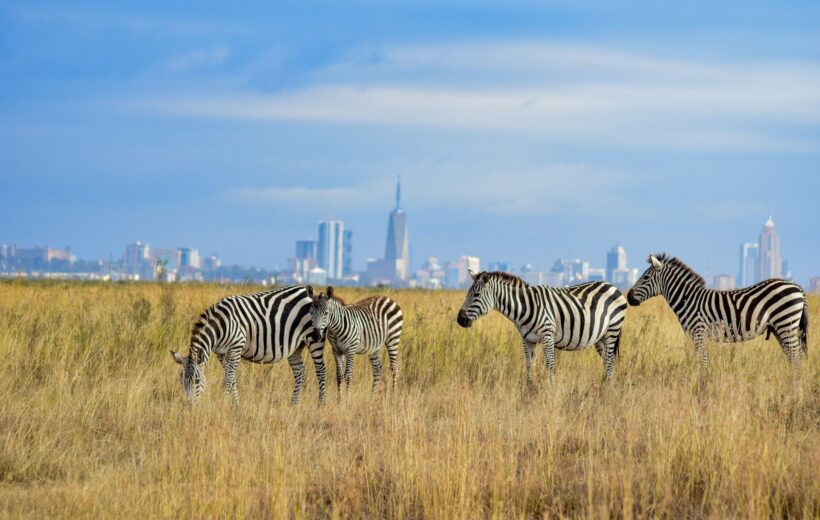
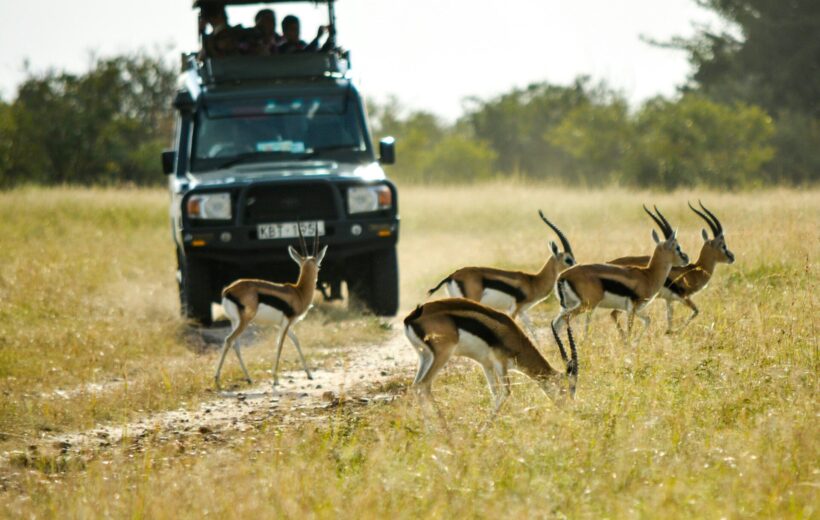
Absolutely! You don’t even need a full day to get started. Nairobi National Park is located approximately 10 kilometres from the city’s central business district. It’s an interesting destination because you can watch wild animals roaming across open grasslands with Nairobi’s skyline in the background.
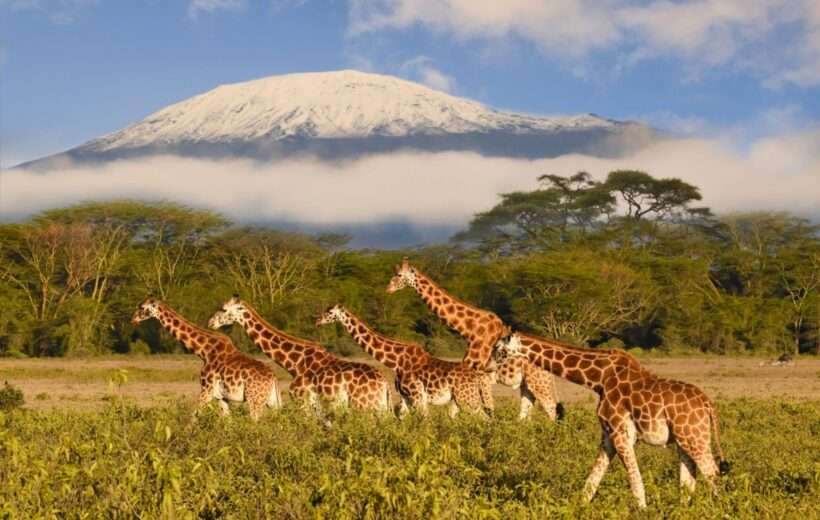
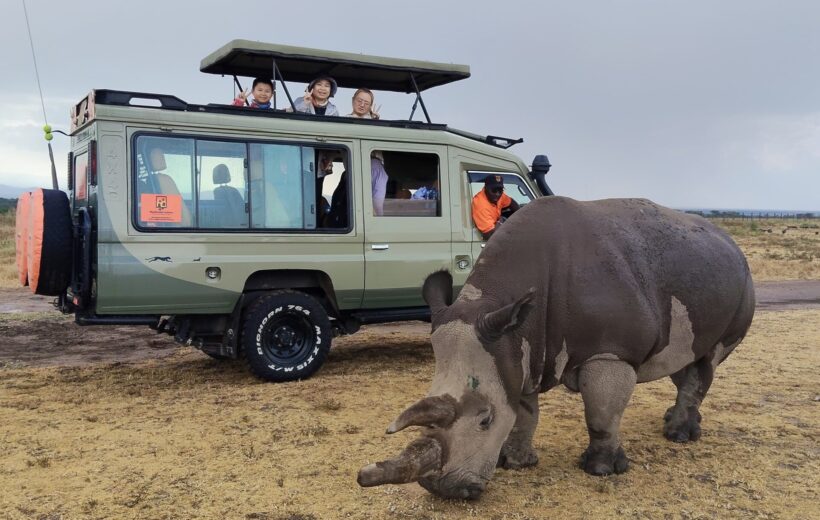
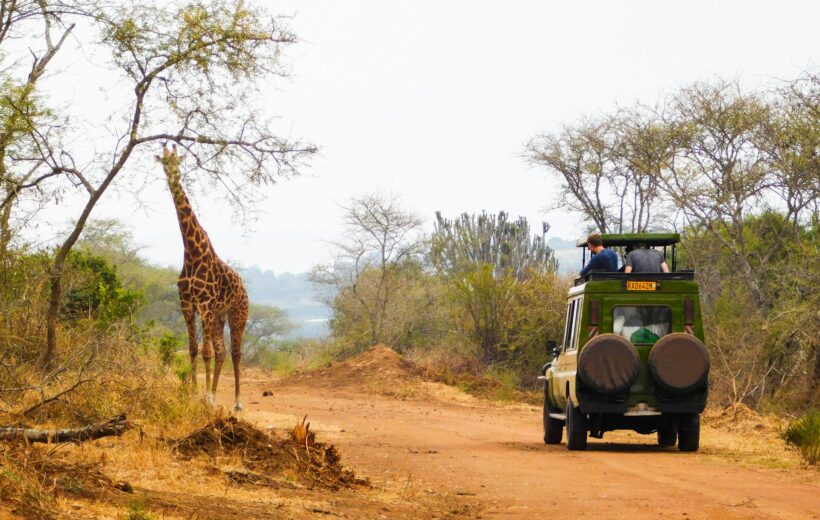
The park is home to lions, leopards, buffaloes and rhinos, although elephants aren’t found here. It also has more than 400 recorded bird species. An early morning game drive is a good way to start your visit. You could spot lions, giraffes, zebras, rhinos, and other animals before heading back into the city.
You can also combine your game drive with other Nairobi attractions. Meektrails Safaris, for example, offers a 1-Day Best of Nairobi City Excursion. The itinerary includes Nairobi National Park, the David Sheldrick Elephant Orphanage, the Giraffe Centre, lunch at Carnivore Restaurant, and a visit to a local craft market.
It’s a practical option if you’re only spending a short time in Nairobi but would still like to experience some of Kenya’s wildlife.
Where Should You Go on a Safari from Nairobi?
If you have several days available, you can explore some of Kenya’s other national parks and reserves. Here are a few destinations worth considering.
1. Amboseli National Park
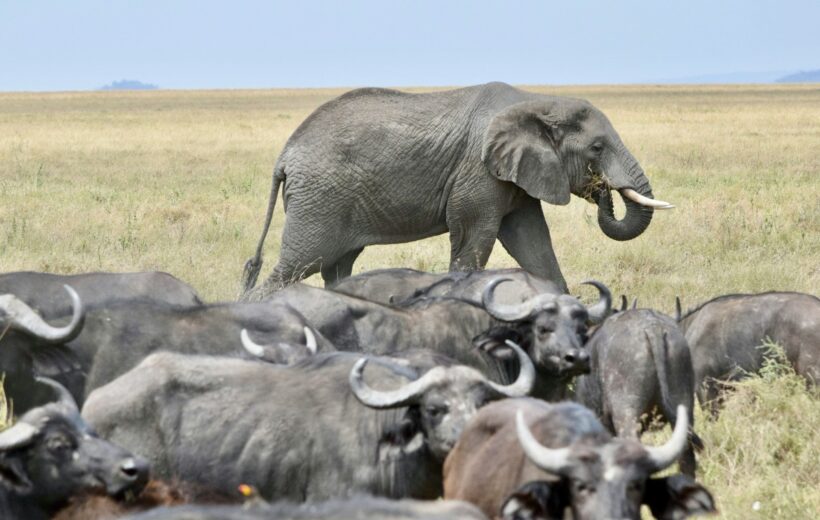
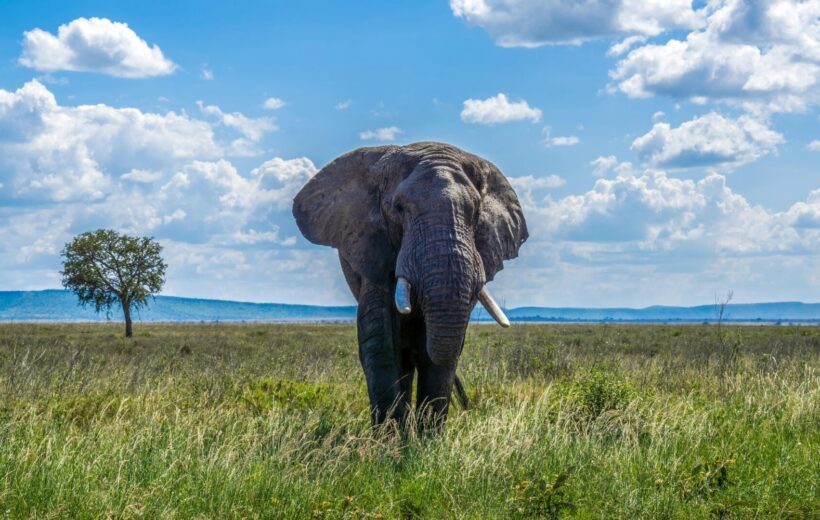
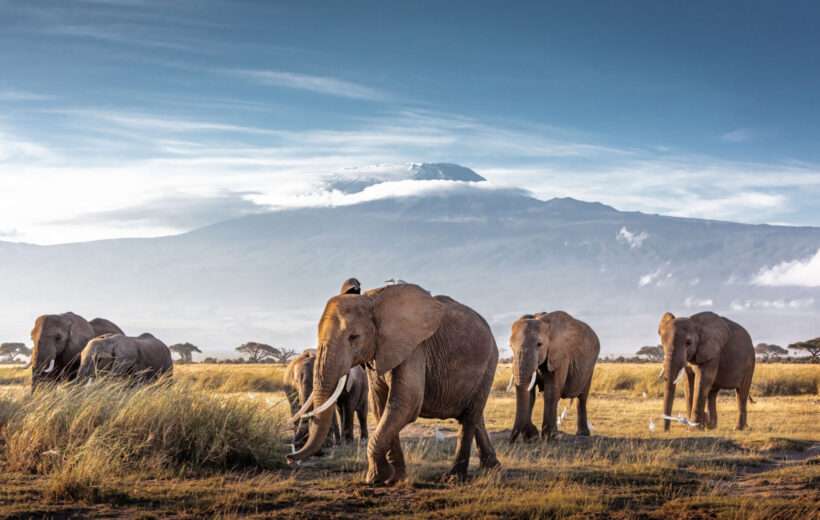
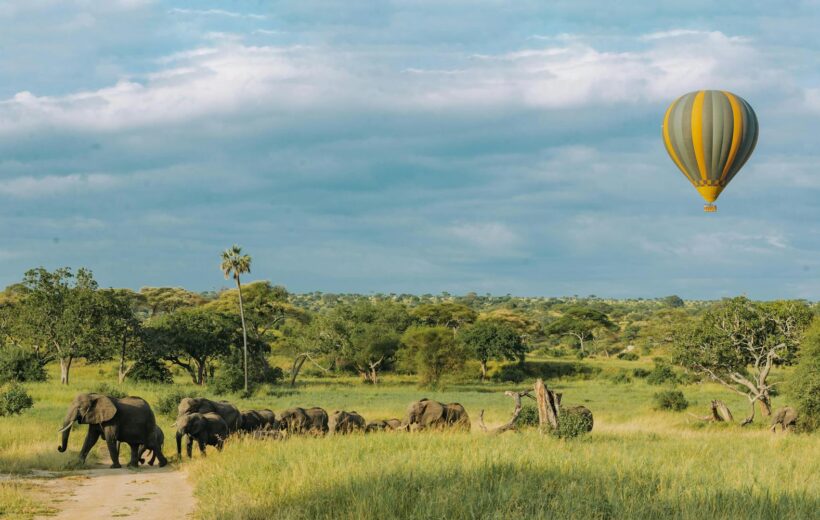
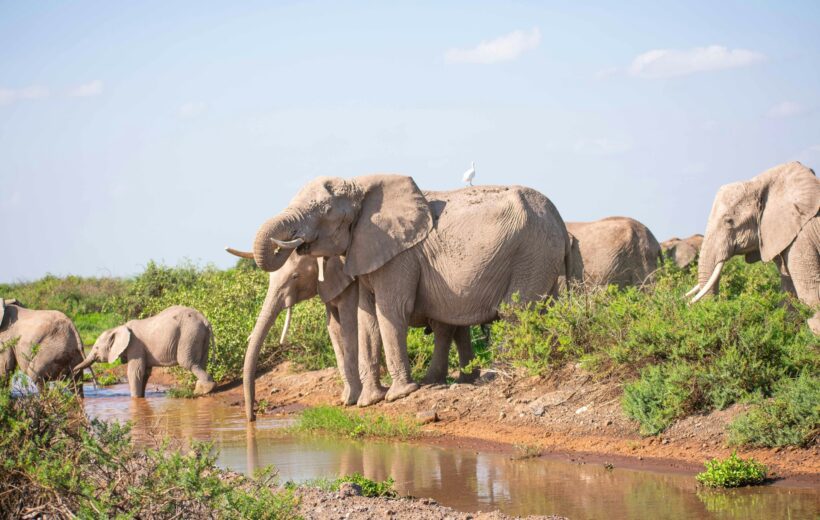
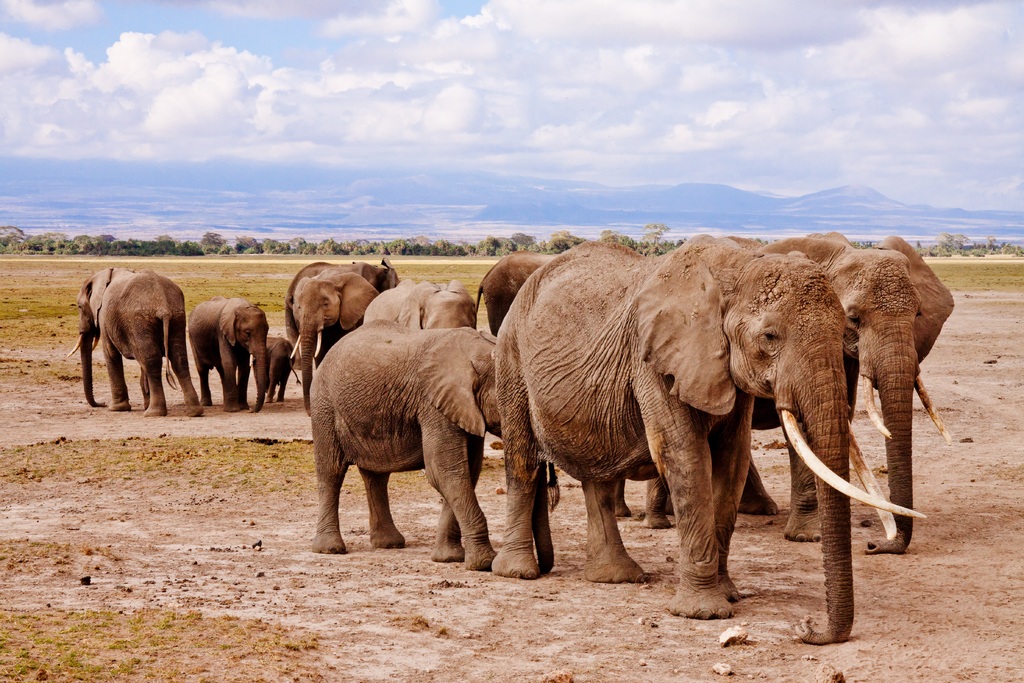
If elephants are high on your wildlife viewing list, consider Amboseli National Park. The park is famous for its large elephant herds and views of Mount Kilimanjaro. You can also look out for lions, cheetahs, buffaloes, giraffes, and numerous bird species during your game drives.
Amboseli is approximately 204 kilometres from Nairobi via Emali or 220 kilometres via Namanga. You can travel there by road in a safari vehicle or take a scheduled flight from Wilson Airport.
Allow at least two nights if possible. This gives you time for several game drives instead of arriving, spending a few hours looking for animals, and immediately heading back to Nairobi.
2. Lake Naivasha and Lake Nakuru National Park
You could also head northwest from Nairobi towards the Great Rift Valley. Lake Naivasha is an interesting stop for boat rides, birdwatching, and opportunities to see hippos in the water. You can also visit Hell’s Gate National Park, where activities include cycling and walking safaris in designated areas.
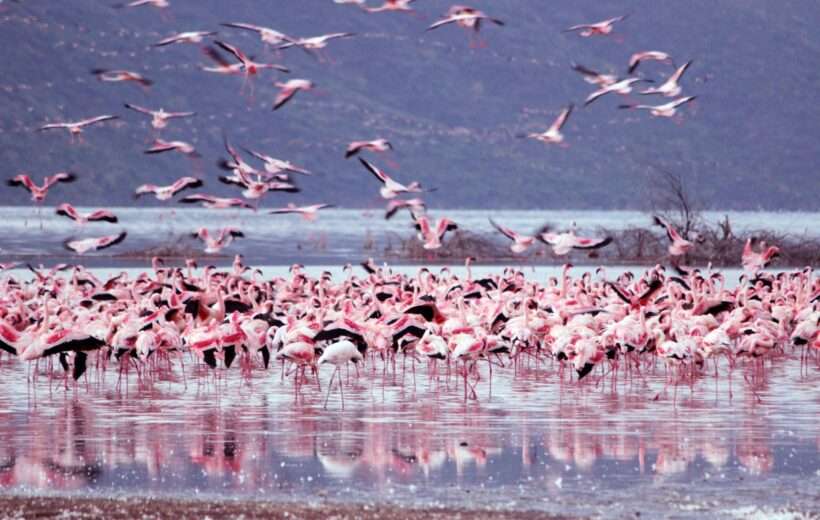
Continue to Lake Nakuru National Park, approximately 156 kilometres northwest of Nairobi. The park is particularly known for its rhino population, birdlife and scenic lake. Also, you’ll find black and white rhinos, as well as pelicans, flamingos and other waterbirds.
Combining Naivasha and Nakuru works well if you’d like a safari that includes more than traditional game drives.
3. Masai Mara National Reserve
The Masai Mara National Reserve is another excellent destination to include in your plans. This reserve is popular for its lions, leopards, cheetahs, elephants, and other wildlife. Between July and October, you may also get an opportunity to witness the Great Migration as wildebeest and zebras move into the reserve from Tanzania’s Serengeti.
You can travel from Nairobi by road or take a scheduled safari flight from Wilson Airport. The road journey takes several hours, with the exact time depending on your destination within the Mara, access gate, and road conditions. Flying is convenient if you’re short on time, although it generally costs more.
The Mara is worth including if you’d like to spend several days exploring one of Kenya’s leading wildlife destinations.
4. Tsavo East and Tsavo West National Parks
Heading towards Kenya’s coast? Consider adding Tsavo East or Tsavo West to your itinerary.
Tsavo East is famous for its red-dust elephants and expansive semi-arid landscapes. Tsavo West offers more varied scenery, including volcanic formations, hills, and Mzima Springs. The two parks are connected by a road through the wider Tsavo landscape, making it possible to combine them if you have enough time.
Tsavo East’s Mtito Andei Gate is approximately 233 kilometres south of Nairobi. It’s an option worth considering when planning a longer safari that continues towards Mombasa.
How Long Should Your Kenya Safari from Nairobi Last?
That depends on how many destinations you’d like to visit. A day is enough for Nairobi National Park. However, if you’re heading further into the country, allow at least two or three days for a more worthwhile experience. A week gives you more room to combine destinations without rushing through every stop.
For example, Meektrails Safaris offers a private 7-Day Masai Mara, Amboseli, Naivasha, Hell’s Gate and Nakuru Safari, where the itinerary starts and ends in Nairobi.
For tourists with more time, Meektrails also offers a private 8-Day All-Inclusive Kenya Safari, which gives you three nights in the Masai Mara.
Should You Travel by Road or Fly?
Most Kenya safaris starting in Nairobi use road transport, particularly when visiting several destinations.
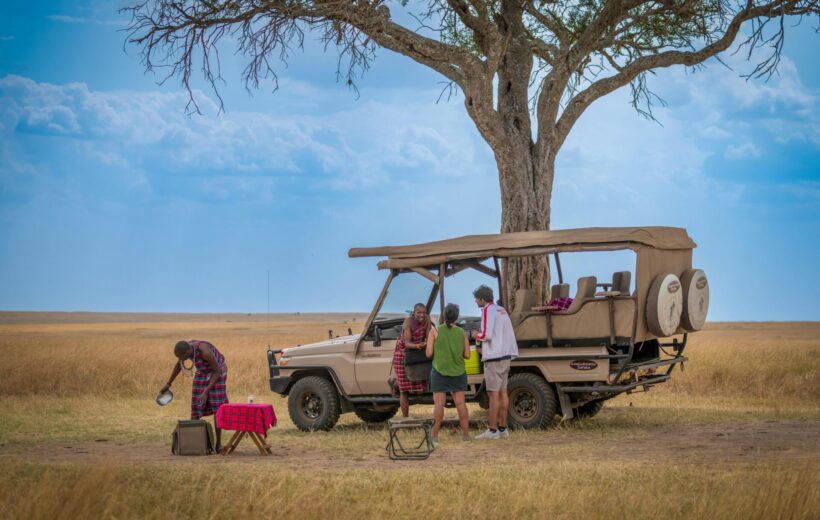
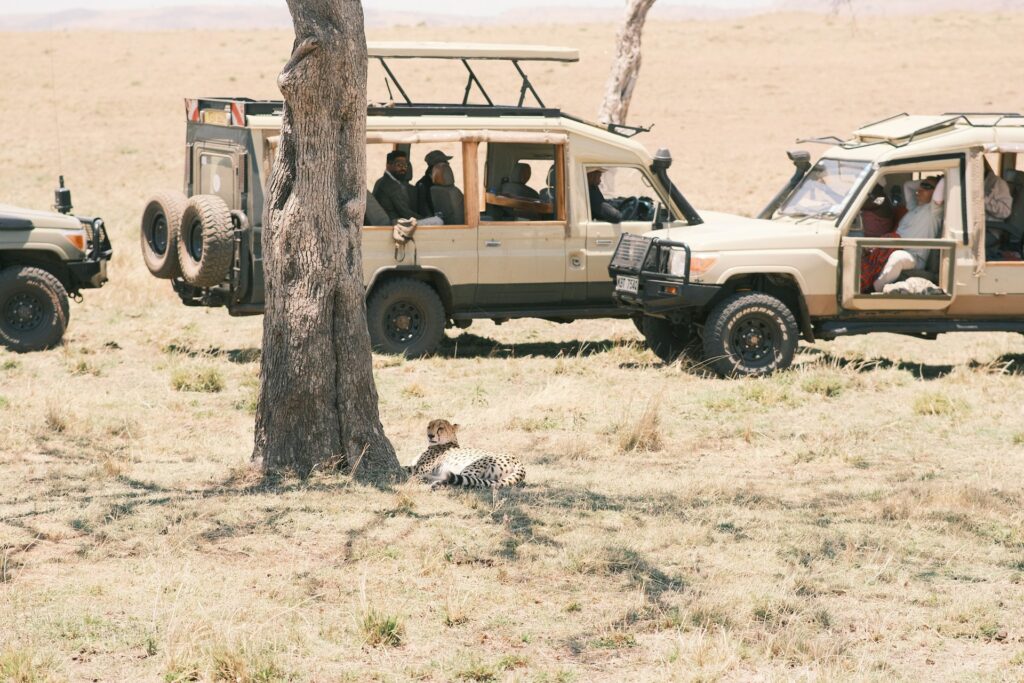
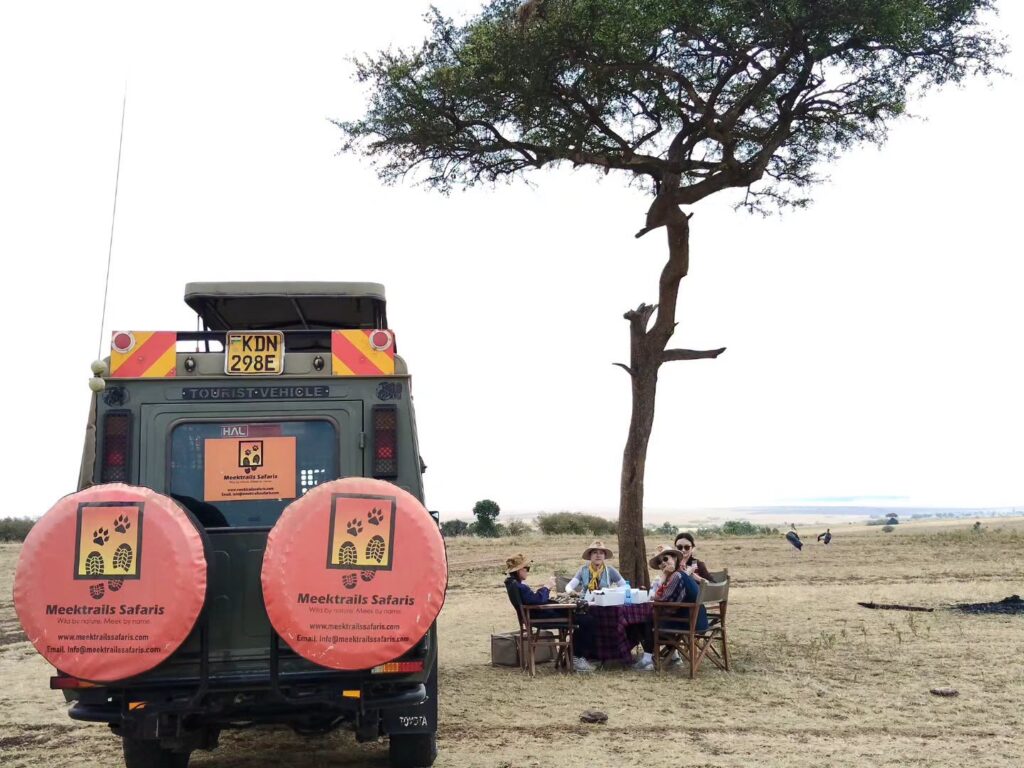
A 4×4 safari vehicle with a professional guide allows you to travel between parks, enjoy stops along the way, and explore different wildlife areas during game drives. It’s also a practical option for families and groups who want a private safari experience.
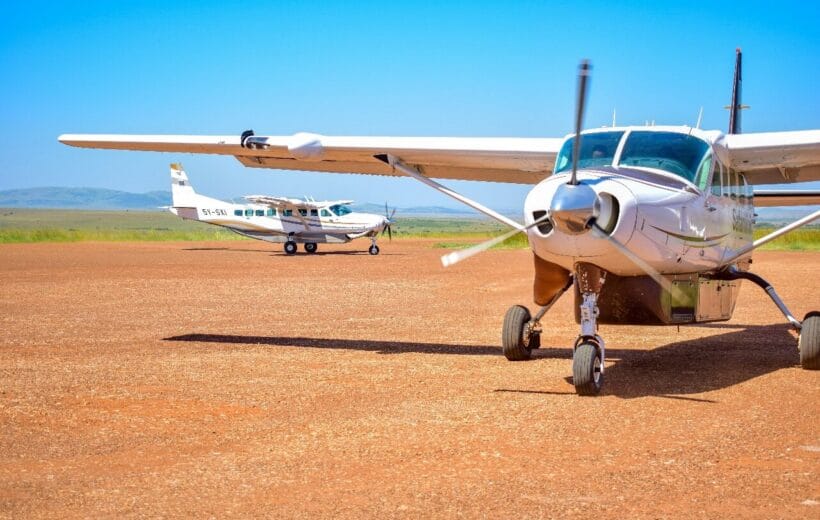
Flying is another possibility. Safarilink operates scheduled safari flights from Wilson Airport to destinations including the Masai Mara, Amboseli, and Samburu.
The main advantage is time. Instead of spending several hours travelling by road, you can reach your safari destination by air and spend more time at your lodge or out exploring.
However, flights can increase your overall budget. You’ll also need to check the departure airport, luggage allowance, and airstrip serving your accommodation.
Remember that Wilson Airport and Jomo Kenyatta International Airport are different airports. Arrange your transfer between them if you’re arriving internationally and connecting to a safari flight.
How Much Does a Kenya Safari from Nairobi Cost?
As a rough guide, budget around USD 150 to 250 per person per day for a basic group safari, USD 300 to 500 for a comfortable mid-range safari, and USD 700 or more for a luxury experience.
Prices vary depending on the destinations, accommodation, and what’s included in the package.
The number of people travelling together also affects the cost. For example, Meektrails Safaris lists its seven-day private Kenya safari at US$2,906 per person for two travellers, compared with US$2,205 per person for six travellers.
The larger group pays US$701 less per person because the shared safari costs are spread among more people.
When comparing packages, check what’s included and allow extra for optional activities, tips, and international flights.
What Should You Check Before Booking?
Before committing to a safari, ask your tour operator for a detailed day-by-day itinerary. Check the accommodation you’ll be using, how many nights you’ll spend at each destination, and how much time is allocated to game drives.
Also confirm:
- Whether park entrance fees, accommodation, and meals are included.
- Whether the vehicle is private or shared.
- Whether airport pickup and drop-off are provided.
- Whether optional activities require additional payment.
- The cancellation policy and payment arrangements.
Pay particular attention to travel days. An itinerary that covers five parks in six days might look attractive, but you could end up spending more time on the road than enjoying wildlife.
If you’re arriving in Nairobi on an international flight, it’s also sensible to allow time for airport transfers and possible flight delays before starting a long road journey.
Ready to start your safari in Nairobi?
A Kenya safari from Nairobi can be a short wildlife outing or a longer journey through several of the country’s best national parks and reserves. Choose your destinations carefully, allow enough time to enjoy each one, and compare complete safari packages before making your booking.