
Two people can visit Kenya in the same week and come home with very different safari stories. One spent their mornings watching elephants in Amboseli; another followed big cats across the Masai Mara. Kenya safaris in 2027 offer plenty of ways to build a wildlife holiday. But the right choice depends on what you want to see, when you can travel, and how much time you have. Here’s what to consider before booking. Let’s start with the destinations.
Where Should You Go on Safari in Kenya?
Imagine starting your safari in the Masai Mara, watching lions resting in the grass, then heading to Amboseli for a completely different experience. You could then explore the scenic landscapes of Samburu or visit Lake Nakuru for rhinos and birdlife. Each destination has something different to offer. Here are five safari destinations worth including in your plans.
1. Masai Mara National Reserve
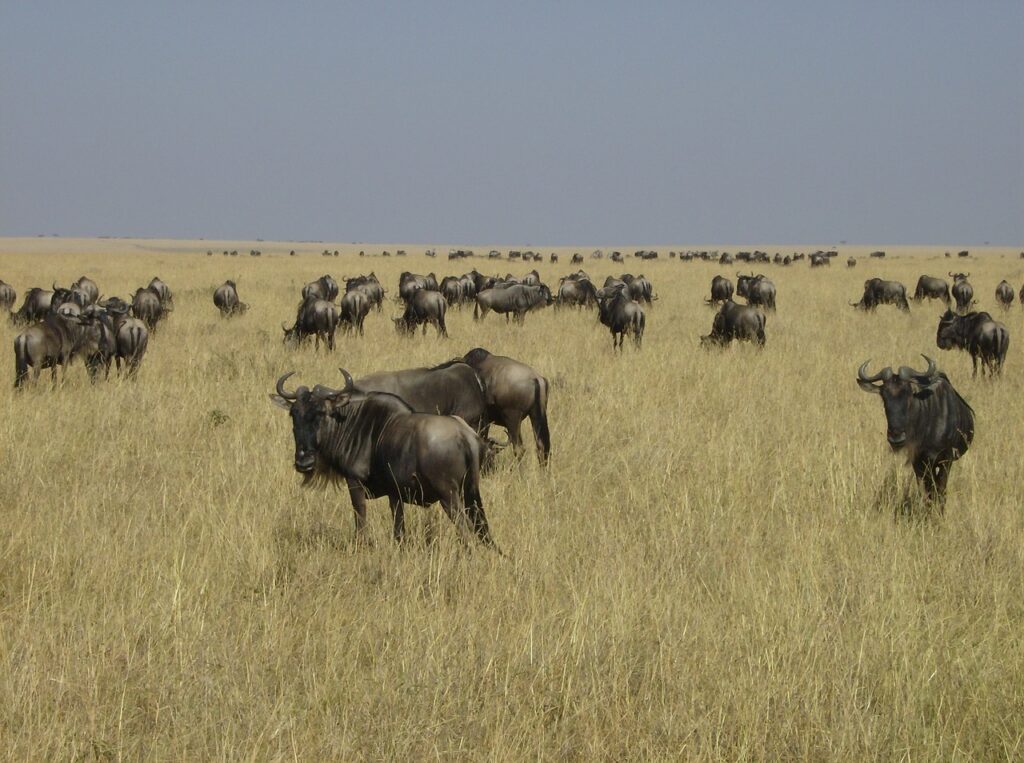
If seeing lions, leopards, and cheetahs is high on your list, start with the Masai Mara. Its open grasslands make wildlife relatively easy to spot, and you can encounter elephants, buffaloes, giraffes, zebras, and numerous bird species during game drives.
Between July and October, large herds of wildebeest and zebras usually move into the reserve from Tanzania’s Serengeti. You might witness the famous Mara River crossings, although their timing depends on rainfall and animal movements. Even outside migration season, resident wildlife makes the Mara an excellent safari destination.
2. Amboseli National Park
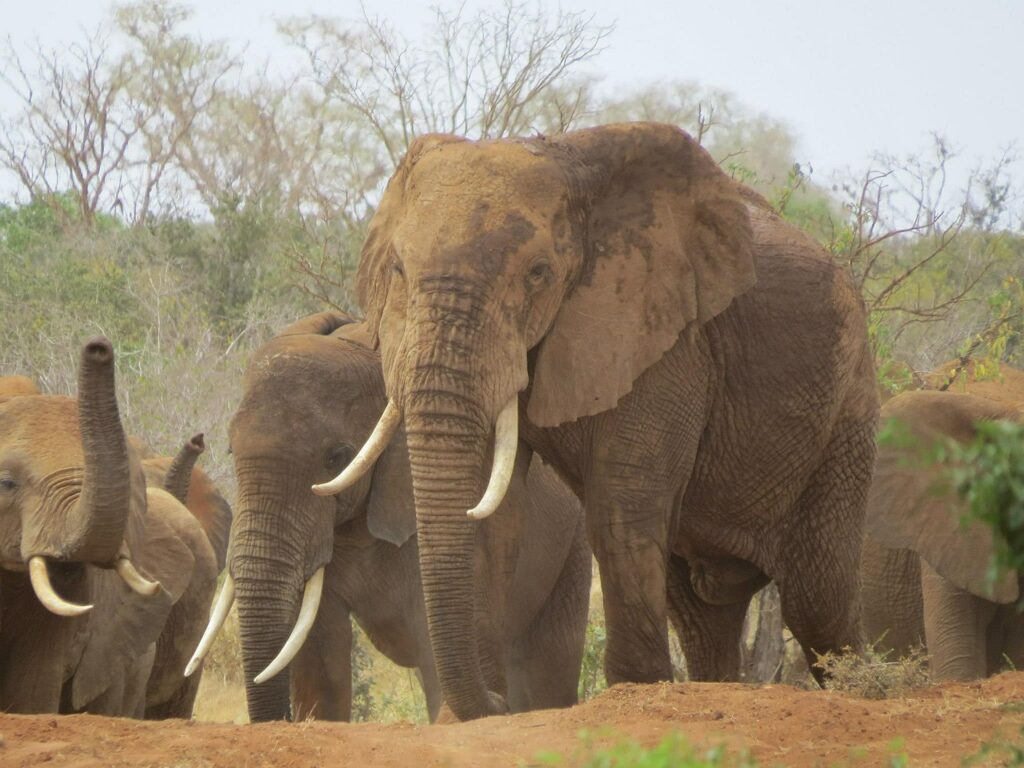
From the Mara, consider heading to Amboseli, particularly if you’d like to see large elephant herds. The park is famous for its elephants and views of Mount Kilimanjaro. You can watch elephants gathering around wetlands, moving across open plains or walking in family groups.
Amboseli also has lions, cheetahs, buffaloes, giraffes, and plenty of birdlife. Make time for Observation Hill, too. The climb rewards you with panoramic views of the park’s wetlands and surrounding plains.
3. Samburu National Reserve
For something different, head north to Samburu National Reserve. The landscape is drier, and the wildlife includes several distinctive northern species known as the Samburu Special Five: Grevy’s zebra, reticulated giraffe, gerenuk, Beisa oryx, and Somali ostrich.
Look out for the gerenuk. It often stands on its hind legs to reach leaves on higher branches. You can also spot elephants, lions and leopards, particularly around the Ewaso Nyiro River, where wildlife gathers.
4. Lake Nakuru National Park
If you’re travelling through the Great Rift Valley, consider stopping at Lake Nakuru National Park. The park is an important sanctuary for black and white rhinos, making it a good destination if seeing these endangered animals is a priority.
You’ll also find lions, leopards, giraffes, and buffaloes. The lake is famous for its flamingos, although their numbers change with water levels and food availability. Pelicans, fish eagles, and other waterbirds are also worth looking out for.
5. Tsavo East and Tsavo West National Parks
If you have more time, head towards the coast and explore the two Tsavo parks.
Tsavo East is known for its expansive landscapes and red-dust elephants. The animals get their distinctive reddish appearance from the soil they use to cover themselves.
Tsavo West offers a different experience, with volcanic formations, hills, and natural springs. Visit Mzima Springs to observe hippos in their aquatic habitat.
Both parks offer opportunities to see elephants, lions, buffaloes, and other wildlife. Tsavo West also has a protected rhino sanctuary.
When Is the Best Time for Kenya Safaris in 2027?
Kenya offers wildlife viewing year-round, but some months suit particular experiences better.
January to March: Generally dry in many safari destinations, with relatively sparse vegetation and good wildlife-viewing conditions. Amboseli, Samburu and the Masai Mara are worth considering.
April to June: The long rains bring greener landscapes and fewer visitors. However, heavy showers can make some roads difficult to navigate.
July to October: This is Masai Mara’s popular migration season. Expect higher accommodation demand and prices.
November to December: The short rains bring greener scenery and interesting birdwatching opportunities, although showers can affect some game drives.
Remember that weather varies between regions. Check the Kenya Meteorological Department for forecasts closer to your departure.
How Long Should Your Safari Last?
A three-day safari can give you a good introduction to one destination, but a week gives you more flexibility to explore several parks. For example, you could combine Amboseli, Lake Naivasha, Lake Nakuru and the Masai Mara over seven days.
If you have ten days, you could add Samburu or Ol Pejeta without rushing through every destination.
Meektrails Safaris offers a 3-Day Kenya Safari and a 10-Day Best of Kenya Safari covering several of these destinations.
Whichever itinerary you choose, allow enough time for game drives. You don’t want to spend most of your holiday racing between parks.
How Much Should You Budget for a Kenya Safari in 2027?
Your safari budget depends on accommodation, group size, travel dates, and transport arrangements.
As a general planning guide, private safari packages can cost approximately:
- Budget to mid-range: USD 250 to 300 per person per day.
- Mid-range: USD 350 to 600 per person per day.
- Luxury: USD 800 to 2,000 per person per day.
These are indicative estimates, not fixed prices. Shared safaris and camping options may cost less, while exclusive camps and fly-in safaris can cost considerably more.
For a real-world example, Meektrails Safaris’ seven-day private safari covering the Masai Mara, Amboseli, Naivasha, Hell’s Gate and Lake Nakuru starts at USD 2,854 per person for two travellers from January 3 to March 25, 2027. The rate reduces to USD 2,153 per person for a group of six.
If you are not using a safari operator, account for park entry fees, international flights, travel insurance, tips, and optional activities. Check the KWS payment portal and Masai Mara fee information for applicable charges.
Where Should You Stay?
Kenya has accommodation for different budgets, from public campsites and budget lodges to permanent tented camps and luxury safari lodges.
Your choice depends on how much comfort you want and how much you’re willing to spend.
A tented camp can offer comfortable beds, private bathrooms and restaurant facilities while keeping you close to wildlife areas. Luxury lodges may provide swimming pools, larger rooms and additional services.
Location matters, too. Check whether your accommodation is inside a park, reserve or conservancy, or outside its boundaries. This affects how long it takes to reach game-drive areas and which entry fees apply.
How Do You Choose a Reliable Safari Operator?
Before paying a deposit, check whether the company has a valid tourism licence through the Tourism Regulatory Authority. You can also check its membership in the Kenya Association of Tour Operators.
Next, request a day-by-day itinerary and itemised quotation. Check the accommodation, park fees, meals, transport, and number of game drives included.
Ask whether you’ll have a private safari vehicle or share one with other travellers. It’s also worth checking your guide’s experience and qualifications through the Kenya Professional Safari Guides Association.
Finally, read recent independent reviews and understand the payment, cancellation, and refund terms before booking.
Ready to plan your 2027 safari?
Kenya safaris in 2027 offer plenty of opportunities to enjoy wildlife and explore different landscapes. Choose destinations that match your interests, compare complete packages, and give yourself enough time to enjoy each stop. Once you’ve settled on your itinerary and budget, you can start looking forward to your Kenyan adventure.