
A Kenya safari offers much more than an opportunity to see lions, elephants, giraffes, and other wild animals. It allows tourists to experience the changing landscapes of the Great Rift Valley, witness seasonal wildlife movements, explore conservation areas, and learn about local communities. This guide explores Kenya’s leading safari destinations, the wildlife we can encounter, the best times to travel, accommodation options, and practical advice for planning a Kenyan safari.
Why Choose Kenya for a Safari Holiday?
Kenya offers a variety of safari experiences within a relatively compact travel destination. You can explore the open grasslands of the Maasai Mara, the acacia-dotted plains of Amboseli, and the arid northern wilderness of Samburu. Each region supports different habitats and wildlife, making it possible to design a safari around specific interests rather than relying on a single national park.
The country’s established safari infrastructure is ideal for first-time visitors and experienced wildlife enthusiasts. Travellers can choose from luxury lodges, tented safari camps, comfortable mid-range properties, and budget-friendly accommodation. Private 4×4 safaris allow flexible game drives, while scheduled small-group departures can make safari holidays more affordable.
Kenya also provides excellent opportunities for wildlife photography, birdwatching, family travel, honeymoon holidays, and conservation-focused tourism. Depending on the destination and season, you may encounter large elephant herds, giraffes feeding among acacia trees, hippos in rivers, and thousands of migratory birds around lakes and wetlands.
Another important attraction is the opportunity to combine several ecosystems in one itinerary. A journey through the Maasai Mara, Lake Nakuru and Amboseli, for example, can provide contrasting experiences of open savannah, Rift Valley habitats, and rolling hills. With thoughtful route planning, you can balance wildlife viewing with scenic drives, cultural visits, and time to relax at carefully selected accommodation.
Best Safari Destinations in Kenya
Kenya has national parks, national reserves, and private conservancies, each offering distinctive scenery and wildlife experiences. The right destination depends on what you want to see, how long you have, and the type of safari you prefer.
1. Maasai Mara National Reserve
The Maasai Mara National Reserve is one of Kenya’s most famous safari destinations. Located in southwestern Kenya, the reserve forms part of the greater Mara–Serengeti ecosystem, which supports seasonal movements of wildebeest, zebras, and other grazing animals.
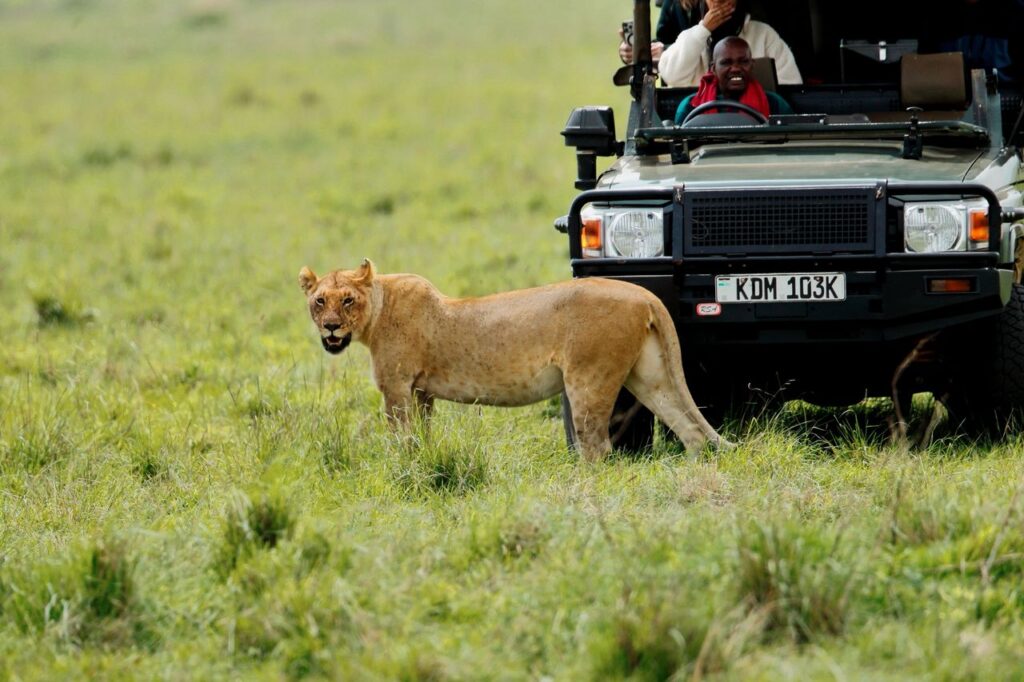
During game drives, you may encounter lions resting in the grass, cheetahs scanning the plains, leopards sheltering in trees, elephants moving between feeding areas, and giraffes browsing across the savannah. The reserve is also an important habitat for hyenas, jackals, buffaloes, hippos, and numerous bird species. Wildlife sightings vary with location, weather, and season, but the Mara’s diverse habitats offer rewarding opportunities throughout the year.
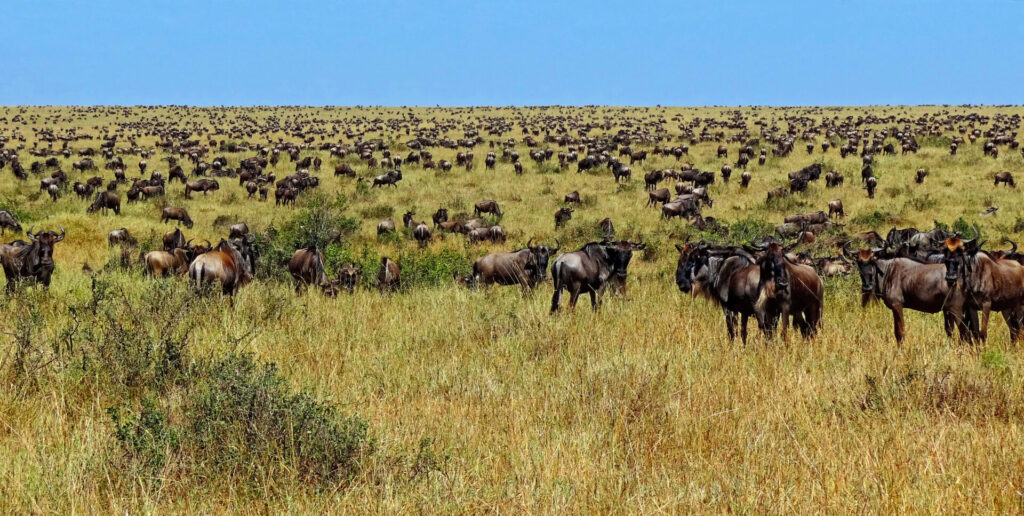
The Great Wildebeest Migration is a major attraction during the months when migratory herds move through the Kenyan section of the ecosystem. The precise timing changes annually according to rainfall, grazing conditions, and herd movements. River crossings can occur during this period, but they are unpredictable and should never be guaranteed in a safari itinerary.
You can explore the Maasai Mara through morning and afternoon game drives, full-day wildlife excursions and, where available, hot-air balloon safaris. Some travellers prefer staying inside or close to the main reserve, while others choose private conservancies that may offer additional activities under their specific rules.
Best for: Big Five wildlife viewing, big cats, wildebeest migration, wildlife photography, luxury safaris, and first-time visitors.
Recommended stay: Three to four nights, particularly for travellers who want several game drives and sufficient time to explore different areas.
2. Amboseli National Park
Amboseli National Park is famous for its elephants and spectacular views of Mount Kilimanjaro, Africa’s highest mountain. Although Kilimanjaro is located in neighbouring Tanzania, its distinctive summit provides a dramatic backdrop to many Amboseli wildlife photographs when weather conditions allow clear views.
The park’s combination of open plains, seasonal swamps, dry lake beds and acacia woodland creates habitats for a variety of animals. Elephants are the main attraction, and visitors may observe family groups moving between feeding areas and wetlands. The park also supports lions, spotted hyenas, zebras, wildebeest, giraffes, buffaloes and a variety of waterbirds.
Amboseli’s wetlands are especially important in the dry landscape because groundwater originating from the Kilimanjaro region sustains areas of permanent or seasonal vegetation. This concentration of water and food attracts wildlife and makes the park particularly rewarding for observing elephants and photographing animals against the mountain backdrop.
Best for: Elephant photography, mountain scenery, family safaris, birdwatching, and shorter safari holidays.
Recommended stay: Two to three nights.
3. Lake Nakuru National Park
Lake Nakuru National Park is a valuable stop for travellers exploring Kenya’s Great Rift Valley. The park surrounds an alkaline lake and contains woodland, grassland, rocky viewpoints, and areas of scrub that support a range of wildlife.
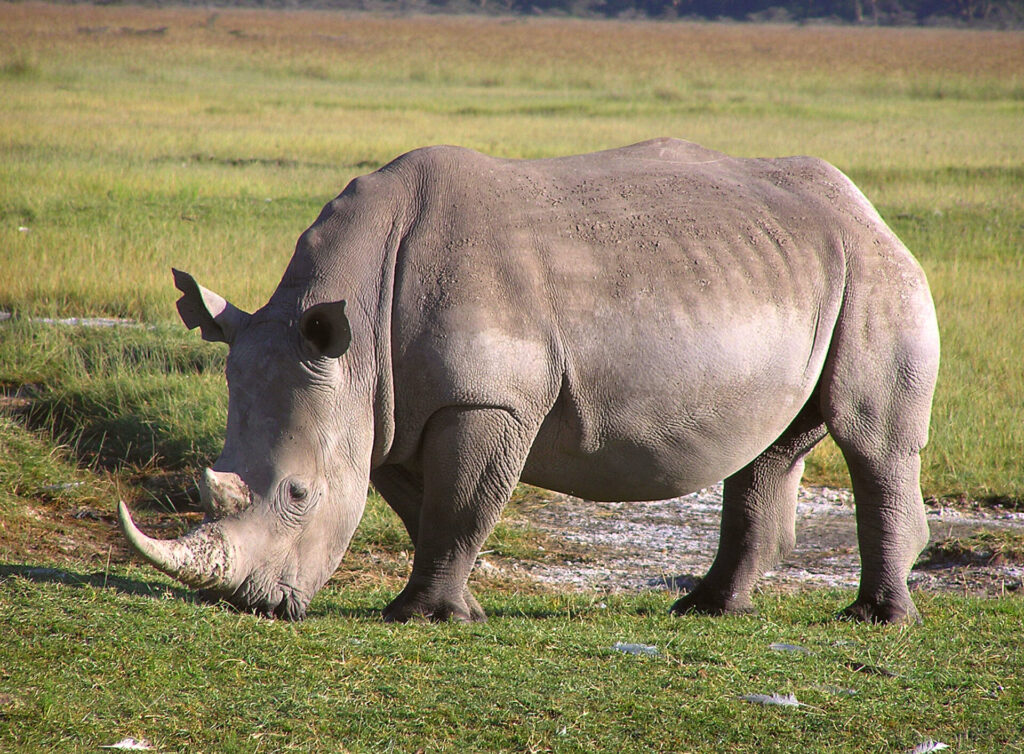
Lake Nakuru is particularly associated with rhinoceros conservation. Both black and white rhinos inhabit the park, although sightings depend on their location and the conditions during a visit. Other animals may include Rothschild’s giraffes, buffaloes, zebras, waterbucks, and predators. The lake and surrounding habitats also attract numerous bird species.
Flamingos are among the birds historically associated with Lake Nakuru, but their numbers fluctuate significantly with water levels, food availability, and ecological conditions. We should therefore treat a large pink shoreline as a possible sighting rather than a guaranteed attraction.
Best for: Rhino conservation, birdwatching, Rift Valley scenery, and multi-destination safari itineraries.
Recommended stay: One to two nights.
4. Samburu National Reserve
This national reserve has a different safari atmosphere from the southern savannah parks. Located in northern Kenya, it features dry plains, rocky hills, riverine woodland, and landscapes shaped by the Ewaso Nyiro River.
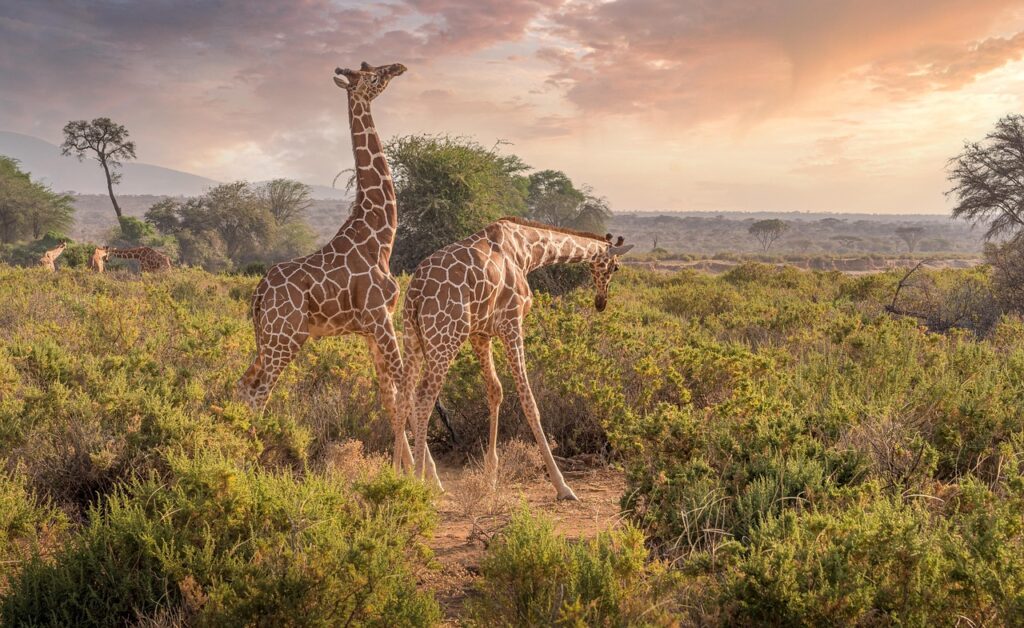
Samburu is particularly well known for wildlife adapted to arid conditions. Visitors may encounter the reticulated giraffe, Grevy’s zebra, Somali ostrich, gerenuk, and Beisa oryx, species often grouped together by safari guides as the Samburu Special Five. The reserve also supports elephants, lions, leopards, cheetahs, and numerous bird species.
The Ewaso Nyiro River attracts wildlife, especially during dry periods when dependable water sources become increasingly important. Game drives along the river offer opportunities to observe elephants drinking, crocodiles resting near the water, and birds feeding along the banks.
Best for: Rare northern wildlife, arid landscapes, birdwatching, and photography.
Recommended stay: Two to three nights.
5. Lake Naivasha and Crescent Island
Lake Naivasha provides a refreshing contrast to traditional vehicle-based game drives. This freshwater lake in the Great Rift Valley is known for its birdlife, surrounding vegetation, and hippos that spend much of the day in the water.
A guided boat excursion can provide opportunities to observe waterbirds and see hippos from a safe distance. Bird species vary with conditions, but fish eagles, cormorants, pelicans, and other water-associated birds may be encountered.
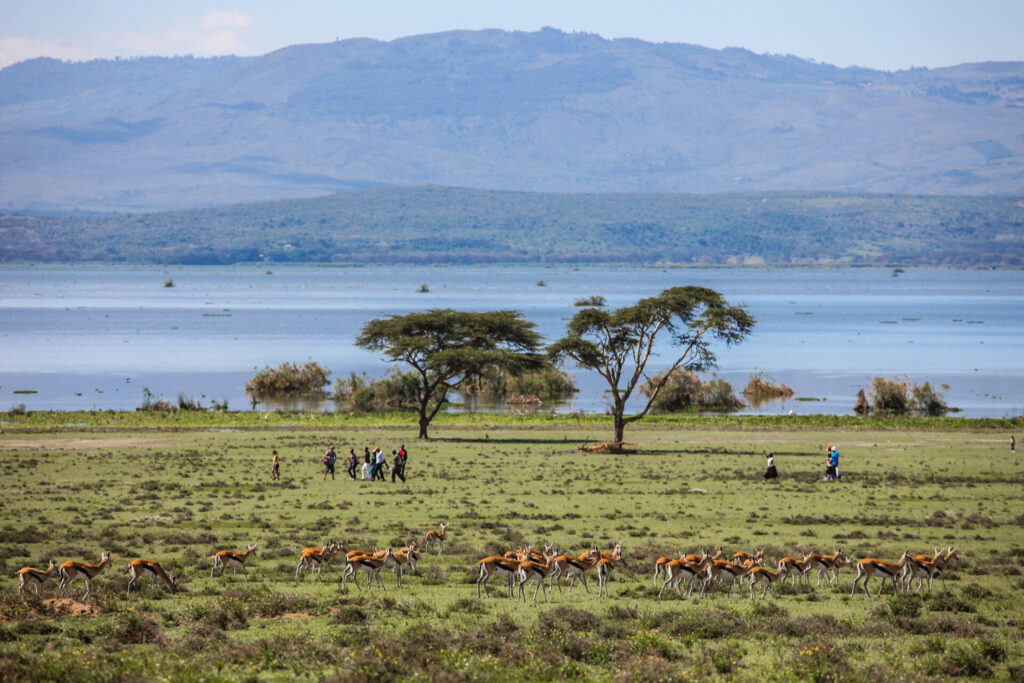
Nearby, Crescent Island Game Sanctuary offers a walking safari experience in an area where visitors may encounter giraffes, zebras, wildebeest, and antelopes. Walking among free-roaming herbivores provides a different perspective from viewing wildlife through a vehicle window.
Best for: Boat safaris, birdwatching, guided walking experiences, and scenic breaks.
Recommended stay: One to two nights.
6. Tsavo East and Tsavo West National Parks
The combined landscapes of Tsavo East National Park and Tsavo West National Park form one of Kenya’s largest protected wilderness regions. Together, they offer expansive landscapes, diverse habitats, and opportunities to experience safari travel away from the busier routes of the Maasai Mara.
Tsavo East has open plains, dry bushland, and the Galana River corridor. Elephants are sometimes described as red elephants because they coat themselves with the region’s reddish soil. The park also supports lions, giraffes, zebras, buffaloes, antelopes, and a variety of birds.
Tsavo West has more varied terrain, including rocky hills, volcanic features, dense vegetation, and natural springs. Mzima Springs is a well-known attraction where visitors may observe hippos and fish in clear water from designated viewing areas.
Tsavo is particularly convenient for travellers combining a safari with Kenya’s coast. Depending on the route, travellers can connect the parks with Mombasa, Diani Beach, or other coastal destinations.
Best for: Extended wilderness experiences, elephants, scenic landscapes, and beach-and-safari holidays.
Recommended stay: Two to four nights, depending on whether we visit one park or both.
7. Ol Pejeta Conservancy
Ol Pejeta is a conservation destination in the Laikipia region, between the foothills of Mount Kenya and the open landscapes of northern Kenya. It is an appealing destination for travellers interested in the relationship between safari tourism and the protection of endangered species.
The conservancy supports populations of black and white rhinoceroses, elephants, lions, buffaloes, giraffes, and other wildlife. It is also known for its chimpanzee sanctuary, which provides refuge for chimpanzees rescued from difficult circumstances.
Ol Pejeta provides a different experience from a conventional national reserve because conservation education is an important part of its visitor offering. Travellers can learn about anti-poaching work, habitat protection, and the challenges of managing endangered wildlife. We recommend including Ol Pejeta in itineraries that explore Mount Kenya, Nanyuki, and Laikipia.
Best for: Rhino conservation, educational safaris, photography, and conservation-focused travel.
Recommended stay: Two nights.
8. Nairobi National Park
Nairobi National Park offers a distinctive introduction to Kenya’s wildlife. The park is home to lions, giraffes, buffaloes, zebras, antelopes, and endangered black rhinoceroses. Its proximity to the city makes it particularly convenient for visitors with limited time, travellers arriving before a longer safari, or those with a spare day before an international flight.
A morning game drive can provide a rewarding introduction to Kenya’s wildlife without requiring a long journey from Nairobi. For travellers who want to experience more than one destination, Nairobi National Park can be combined with the Maasai Mara, Amboseli, or Lake Nakuru. It also works well as a short excursion for business travellers and visitors who cannot commit to a multi-day safari.
Best for: Short safaris, black rhino sightings, city stopovers, and travellers with limited time.
Recommended stay: A half-day or full-day visit.
9. Hell’s Gate National Park
This national park provides a more active outdoor experience than parks primarily explored by vehicle. Its dramatic cliffs, volcanic formations, open plains, and distinctive rock features create opportunities for sightseeing, hiking, and, where permitted, cycling.
Visitors may encounter zebras, giraffes, buffaloes, and various antelopes in the park. The landscape is an important part of the attraction, with towering rock walls and geothermal features adding variety to the experience. Wildlife viewing is generally different from the predator-focused game drives associated with the Maasai Mara.
We recommend Hell’s Gate for travellers who enjoy outdoor activities and want to experience Kenya beyond conventional game drives. It can be combined with Lake Naivasha, making it a practical addition to a Rift Valley itinerary.
Best for: Hiking, cycling, geology, photography and active outdoor holidays.
Recommended stay: A half-day or full-day visit, usually combined with Lake Naivasha.
10. Meru National Park
This park supports wildlife in a setting that can feel less crowded than some of the country’s more frequently visited safari destinations. It is home to elephants, lions, leopards, buffaloes, giraffes, zebras, and numerous bird species.
Meru also has an important conservation history and is associated with the recovery of wildlife populations following periods of serious poaching. Visitors can appreciate the park not only for its scenery and wildlife but also for the wider work required to protect Kenya’s natural heritage.
Because Meru is less commonly included in short first-time safari itineraries, it is particularly suitable for travellers with additional time or those seeking a more remote experience. You can combine it with other northern or central Kenya destinations where road distances and available connections make the itinerary practical.
Best for: Seclusion, varied habitats, wildlife photography and extended safari holidays.
Recommended stay: Two to three nights.
Kenya’s Big Five: Animals to Look for on Safari
The Big Five animals are the lion, leopard, elephant, rhinoceros and African buffalo. The term originated in hunting terminology and is now widely used in wildlife tourism. These animals are among the most sought-after sightings on a Kenya safari, although each species has different habitat requirements and behaviour.
| Animal | Where we may look for it | What makes it special |
|---|---|---|
| Lion | Maasai Mara, Amboseli, Tsavo, and Samburu | Social behaviour, territorial activity, and predator interactions |
| Leopard | Maasai Mara, Samburu, Tsavo, and other suitable habitats | Secretive habits, camouflage, and occasional tree sightings |
| African elephant | Amboseli, Tsavo, Samburu, and Maasai Mara | Family groups, social communication, and impressive size |
| Rhinoceros | Lake Nakuru, Ol Pejeta, and Nairobi National Park | Conservation significance and distinctive appearance |
| African buffalo | Maasai Mara, Amboseli, Lake Nakuru and Tsavo | Large herds and powerful physical presence |
A rewarding safari is not measured only by the number of species checked off a list. Watching elephants interact, observing a lion pride resting in the shade, or learning how birds respond to changing weather can be equally memorable. We encourage travellers to remain patient, follow their guide’s advice, and appreciate the wider ecosystem.
The Great Wildebeest Migration in Kenya
The Great Wildebeest Migration is one of East Africa’s most remarkable wildlife events. It involves the seasonal movement of vast herds of wildebeest, accompanied by zebras and other grazers, through the Serengeti–Mara ecosystem spanning Tanzania and Kenya.
The migration is driven primarily by rainfall, fresh grass, and access to suitable grazing. Because these factors vary from year to year, the herds do not follow an exact calendar. In many years, substantial numbers enter Kenya’s Maasai Mara during the middle and later parts of the year, but their arrival, distribution, and departure remain unpredictable.
River crossings attract considerable attention because they can involve large numbers of animals entering the water while crocodiles and other predators wait nearby. However, not every herd crosses a river, and visitors may spend hours waiting without witnessing a crossing. A well-designed migration safari therefore includes broader game drives rather than relying entirely on one event.
We recommend spending several nights in the Maasai Mara if migration viewing is a priority. This allows time to explore different parts of the reserve or an appropriate conservancy, respond to changing wildlife movements, and enjoy other game-viewing opportunities.
When is the best time to see the Great Migration?
July to October is commonly associated with migration viewing in Kenya, but the precise timing changes annually. The best period for an individual trip depends on where the herds are located, current rainfall, and the type of wildlife experience the traveller hopes to enjoy.
Travellers should reserve suitable accommodation early when planning a peak-season safari. We also recommend maintaining some flexibility in expectations: migration herds are wild animals following natural conditions, not a scheduled attraction.
Best Time to Visit Kenya for a Safari
Kenya offers wildlife experiences throughout the year, but seasonal rainfall, vegetation, and animal movements can influence what visitors encounter. The Kenya Wildlife Service identifies the country’s generally drier periods as favourable for many safari activities, while the long rains can affect road conditions in some parks.
June to October: Dry-season wildlife viewing
A popular period for traditional game drives, particularly in the Maasai Mara and other well-established safari destinations. July to October is also associated with potential migration sightings in the Mara.
November to December: Short rains and green landscapes
Rainfall varies by region. Fresh vegetation, changing skies, and seasonal bird activity can make this period appealing for photography, subject to road and weather conditions.
January to February: Generally drier conditions in many regions
Often a rewarding time for game drives and photography. Conditions differ between parks, so select destinations according to your travel dates and the wildlife interests involved.
March to May: Long-rain period in many areas
Lush scenery and rewarding birdwatching can be attractive to visitors, although heavy rain may affect some roads and transfers. Exact conditions vary by destination.
These periods are general guides rather than fixed weather forecasts. Kenya has substantial regional variation: conditions on the coast differ from those in the central highlands and the arid north. We recommend checking the expected conditions for each destination before finalising an itinerary.
Which month is best for a Kenya safari?
For many first-time visitors, July to October is an attractive period. It is for favourable game-viewing conditions and the possibility of migration activity in the Maasai Mara. January and February can also offer rewarding safari experiences in several regions.
However, there is no single month that suits every traveller. Birdwatchers, photographers, families, honeymooners and visitors seeking quieter travel periods may have different priorities. We, Meektrails Safaris, plan around the desired experience rather than treating one season as universally best.
What Should a Kenya Safari Package Include?
A well-prepared safari quotation should clearly state the accommodation, meals, transport, planned game drives, applicable park fees, guide arrangements, and any domestic flights or transfers. It should also identify excluded expenses, such as international flights, travel insurance, personal purchases, tips, and optional activities.
We encourage travellers to confirm cancellation terms, deposit requirements, payment deadlines, and any applicable seasonal supplements before paying. For families, we also check room arrangements, children’s rates, minimum age restrictions for particular activities, and whether the selected camps can accommodate the entire group.
Types of Kenya Safari Packages
Different travellers need different experiences. Our safari planning should reflect the trip’s purpose, preferred pace, and the balance between comfort, wildlife, and cost.
Luxury Kenya Safari Packages
Luxury safaris combine wildlife exploration with carefully selected lodges or tented camps, personalised service, and comfortable surroundings. Depending on the property, guests may enjoy spacious suites, private decks, fine dining, spa facilities, and guided activities arranged around their interests.
The Maasai Mara, Amboseli, Samburu, and Laikipia offer options for travellers seeking a high-comfort safari. We select accommodation based on its location, service, atmosphere, and suitability for the itinerary, rather than relying on the word luxury alone.
Budget Kenya Safaris
Budget safaris help travellers experience Kenya’s wildlife while managing costs. Options can include shared game drives, group departures, campsites, or more affordable lodges. The exact level of comfort and privacy depends on the selected package.
A lower-cost safari can still provide rewarding wildlife encounters when transport, accommodation and game-drive arrangements are planned carefully. Travellers should check whether the advertised price includes park fees, meals, transfers, and all scheduled activities.
Kenya Family Safari Packages
Family safaris combine wildlife viewing with practical arrangements that make travelling with children more comfortable. We consider driving distances, room configurations, meal requirements, the availability of swimming pools or family facilities, and the ages permitted for particular activities.
The Maasai Mara, Amboseli, Lake Naivasha and Lake Nakuru can form part of a family itinerary, depending on the children’s ages and the time available. Shorter drives and a reasonable pace help families enjoy the experience without spending every day travelling between destinations.
Before booking, parents should confirm child policies, family room availability, vehicle arrangements, and whether walking or other activities have age restrictions. We also recommend carrying suitable sun protection, insect repellent, and any personal supplies children may need during the journey.
Kenya Honeymoon Safaris
A honeymoon safari can combine wildlife encounters with privacy, beautiful scenery and time to relax. Couples may choose intimate tented camps, private game drives, special dining arrangements, and scenic flights where available.
We can combine a few nights in the Maasai Mara or Amboseli with a stay on the Kenyan coast. Diani Beach is particularly appealing to couples who want to follow their safari with time beside the Indian Ocean.
Kenya Group Safari Packages
Group safaris bring travellers together for shared wildlife experiences and can reduce certain per-person transport costs. They are suitable for solo travellers, friends, organised groups, and visitors who prefer a planned itinerary with scheduled departures.
Before booking a group safari, we recommend confirming the departure date, minimum group size, maximum vehicle occupancy, accommodation arrangements, and whether the itinerary is guaranteed to operate. Travellers who need greater flexibility may prefer a private safari.
Kenya Photography Safaris
Wildlife photography safaris allow additional time for observing animals, anticipating behaviour, and working with natural light. The best itinerary depends on the photographer’s interests, which may include big cats, elephants, birds, landscapes, or migration activity.
We consider vehicle access, available space for camera equipment, guide experience, the number of game drives, and accommodation locations when planning these trips. A longer stay in one area can be more useful than moving between many destinations, particularly when specific species or photographic conditions are the priority.
Kenya Beach and Safari Holidays
A beach-and-safari holiday combines Kenya’s wildlife destinations with its tropical coastline. Travellers can spend several days on game drives before relaxing on the white-sand beaches of Diani, exploring the historic streets of Lamu, or enjoying coastal activities around Watamu.
The best route depends on the starting point and the chosen parks. Travellers departing from Nairobi may connect a safari with a domestic flight to the coast, while those already in Mombasa or Diani may prefer a road-based itinerary through Tsavo.
This style of holiday works particularly well for couples, families, and travellers who want wildlife encounters and beach relaxation within a single trip.
How to Plan a Kenya Safari Itinerary
A successful Kenya safari itinerary balances wildlife viewing with realistic travel times. Although several destinations can be combined, travelling between parks may take longer than expected because of road conditions, traffic, weather, and the distance between accommodation areas.
We recommend selecting the main destinations first, then arranging transport and accommodation around them. Travellers with three or four days may prefer one principal wildlife destination, while those with a week or more can explore a broader selection of Kenya’s ecosystems.
3-Day Kenya Safari Itinerary: Maasai Mara
Day 1: Travel to the Maasai Mara
Depart Nairobi by road or scheduled flight, depending on the package. Arrive at camp, settle in, and enjoy an afternoon game drive when timing permits.
Day 2: Full day of wildlife viewing
Explore selected areas of the reserve with morning and afternoon game drives, or arrange a full-day excursion with a picnic lunch where permitted.
Day 3: Morning game drive and return
Enjoy a final wildlife excursion if departure arrangements allow, then travel back to Nairobi.
This itinerary suits travellers with limited time who want to focus on one of Kenya’s most renowned wildlife destinations. A longer stay provides more flexibility for exploring different areas and responding to wildlife movements.
5-Day Kenya Safari Itinerary: Maasai Mara and Lake Nakuru
Day 1: Nairobi to Lake Nakuru
Travel into the Great Rift Valley and enjoy an afternoon game drive, subject to arrival time.
Day 2: Lake Nakuru to the Maasai Mara
Enjoy morning wildlife viewing before continuing to the Maasai Mara, allowing sufficient time for the road transfer.
Days 3 and 4: Explore the Maasai Mara
Spend two days on game drives in search of predators, elephants, giraffes, zebras and other wildlife.
Day 5: Return to Nairobi
Depart after breakfast or an early game drive if the transport schedule permits.
This route introduces travellers to two different wildlife environments.
7-Day Kenya Safari Itinerary: A Classic Wildlife Circuit
A seven-day safari allows us to combine several destinations without rushing every experience.
| Day | Destination | Main experience |
|---|---|---|
| 1 | Nairobi | Arrival, briefing, and overnight stay |
| 2 | Amboseli | Travel and afternoon wildlife viewing |
| 3 | Amboseli | Elephant viewing and mountain scenery |
| 4 | Lake Naivasha | Transfer and lakeside activities |
| 5 | Maasai Mara | Travel and afternoon game drive |
| 6 | Maasai Mara | Full day of wildlife viewing |
| 7 | Nairobi | Return journey or scheduled flight |
This is an illustrative route rather than a fixed schedule. Road transfers between destinations can be lengthy, so a domestic flight or an additional overnight stop may be preferable depending on the traveller’s budget and comfort requirements.
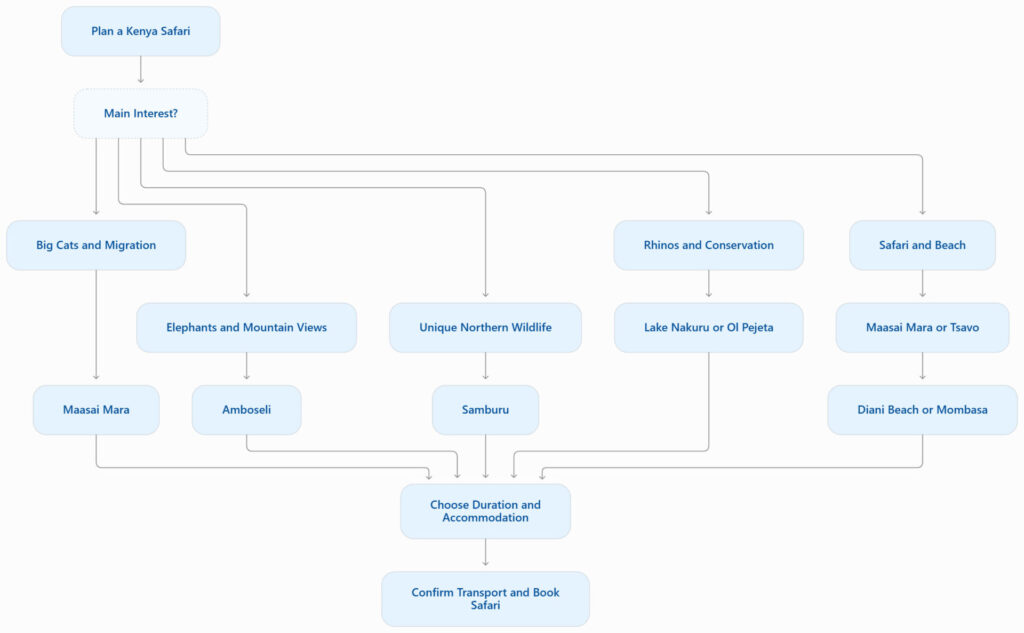
Kenya Safari Itinerary Flowchart
The following diagram illustrates how we can choose destinations based on the traveler’s main interests.
Cultural Experiences During a Kenya Safari
Kenya’s cultural diversity adds another dimension to wildlife tourism. Depending on the route, travellers may have opportunities to learn about Maasai, Samburu, Kikuyu and other communities. This can be done through locally organised cultural visits, craft experiences, and community tourism initiatives.
A responsible cultural visit should be arranged with the participation and consent of the community involved. Travellers should ask before photographing people, respect local customs, and understand that communities are living societies rather than attractions created solely for tourists.
We encourage visitors to support locally owned businesses, purchase authentic crafts directly from makers where possible, and choose experiences that explain how tourism benefits the participating community. Cultural activities should complement wildlife viewing without replacing the voices and choices of the people who host them.
Responsible Wildlife Tourism in Kenya
Kenya’s wildlife and natural landscapes depend on effective conservation, habitat protection, and responsible tourism practices. Travellers can help protect these environments by following park regulations and choosing operators who prioritise wildlife welfare.
During game drives, we remain on authorised roads and tracks, maintain appropriate distances from animals and follow the guide’s instructions. We avoid shouting, feeding wildlife, or asking drivers to pursue animals for photographs. When several vehicles gather around a sighting, patient and considerate behaviour helps reduce unnecessary disturbance.
We also recommend limiting disposable plastics, respecting water and energy use at camps and supporting conservation or community initiatives where practical. Wildlife tourism is most meaningful when visitors enjoy close observation without compromising the natural behaviour of animals.
For additional guidance on protected areas and wildlife viewing, consult the official Kenya Wildlife Service website at kws.go.ke.
What to Pack for a Kenya Safari
Packing appropriately makes game drives more comfortable, especially when mornings are cool and afternoons are warm. We recommend versatile clothing that can be layered, practical footwear, and equipment suited to the planned activities.
Essential items include:
- Lightweight, neutral-coloured clothing for game drives.
- A warm fleece or jacket for early mornings and evenings.
- Comfortable walking shoes or trainers.
- A wide-brimmed hat, sunglasses and sunscreen.
- Binoculars for observing distant wildlife.
- A camera, spare batteries and charging equipment.
- Insect repellent and personal toiletries.
- Personal medication and a small first-aid kit.
- A reusable water bottle where appropriate.
- Travel documents, insurance details and copies of reservations.
Travellers taking domestic flights on small safari aircraft should confirm baggage weight limits and luggage restrictions in advance. Soft-sided bags may be required, and allowances can be significantly lower than those on international flights.
Kenya Safari Travel Requirements and Practical Advice
International visitors should check current entry requirements before departure. Kenya operates an Electronic Travel Authorisation system for many foreign visitors, with exemptions for certain categories of travellers. Applications should be made through the official government portal, and approval should be obtained before travel when required.
Official application portal: Kenya Electronic Travel Authorisation.
As requirements can change, we recommend checking passport validity, applicable authorisation requirements, health documentation, and any mandatory travel health insurance provisions before departure. You should also obtain appropriate travel insurance covering their itinerary, activities, and potential emergency medical evacuation.
For health preparation, travellers should consult a qualified healthcare professional or travel clinic regarding recommended vaccinations, malaria prevention and other destination-specific precautions. Requirements can depend on the traveller’s country of origin, previous travel and personal circumstances.
When travelling between parks, we recommend keeping valuables secure, using confirmed transfers, and following the guidance of authorised guides and park personnel. Road travel times should include reasonable flexibility, particularly during rainy periods when conditions can change.
Why Plan Your Kenya Safari With Meektrails Safaris?
At Meektrails Safaris, we organise Kenya safari holidays around the experiences travellers want most. Our planning approach considers wildlife interests, preferred travel dates, accommodation expectations, group size, and the time available.
We can help arrange itineraries featuring the Maasai Mara, Amboseli, Lake Nakuru, Samburu, Lake Naivasha, and other destinations. Our approach focuses on clear communication, suitable accommodation and realistic schedules. We explain the inclusions and exclusions of a proposed package, discuss the differences between road and fly-in safaris, and help you understand how seasonality may affect wildlife viewing and costs.
We also recognise that a memorable safari is not simply about visiting as many parks as possible. Spending sufficient time in the right habitat can provide better opportunities to observe animal behaviour, appreciate the landscape and enjoy the journey without unnecessary rushing.
Travellers can explore our safari options and request an itinerary through Meektrails Safaris.
Frequently Asked Questions About Kenya Safaris
1. What is the best safari destination in Kenya?
The best destination depends on the wildlife and scenery a traveller wants to experience. The Maasai Mara is well known for big cats and the potential to observe the Great Migration. Amboseli is famous for elephants and Mount Kilimanjaro views, while Samburu offers opportunities to see distinctive northern wildlife. Lake Nakuru and Ol Pejeta are important destinations for travellers interested in rhinoceroses and conservation.
2. How many days do we need for a Kenya safari?
Three to four days can provide a rewarding experience in one principal destination. Five to seven days allow us to combine multiple parks, while itineraries of ten days or longer can include a broader range of landscapes or a beach extension. The appropriate duration depends on the destinations, transport arrangements, and pace preferred.
3. What is the best month to visit Kenya for a safari?
July to October is popular for dry-season game viewing and possible migration sightings in the Maasai Mara. January and February are also rewarding months in many regions. The best timing varies with rainfall, wildlife movements and the traveller’s priorities.
4. Can we see the Big Five in Kenya?
Kenya is home to all five Big Five species: lion, leopard, elephant, rhinoceros, and African buffalo. The Maasai Mara, Amboseli, Tsavo, Lake Nakuru, Ol Pejeta, and Nairobi National Park provide different opportunities to look for them. No itinerary can guarantee sightings of every species.

