
You can have the best camera in the world and still come home with a memory card full of dust and distant dots. Where you go matters as much as what you carry. For a Kenya wildlife photography safari, the right park will give you good light, subjects close enough to frame, and a backdrop worth including. So, where should you go? Let’s look at the best options and what each can offer your camera.
1. Masai Mara National Reserve: Best for Big Cats and the Great Migration
The Masai Mara is probably the first place that comes to mind when you think about a wildlife photography safari in Kenya. And for good reason. Its open grasslands, scattered acacia trees, and large wildlife populations give you plenty of photographic opportunities.
If you want to take photos of lions, leopards, or cheetahs, the Mara is an excellent place to start. You can also capture elephants, giraffes, zebras, buffaloes, and other animals during your game drives.
But there’s something else that makes this reserve particularly interesting for photographers. The Great Migration.
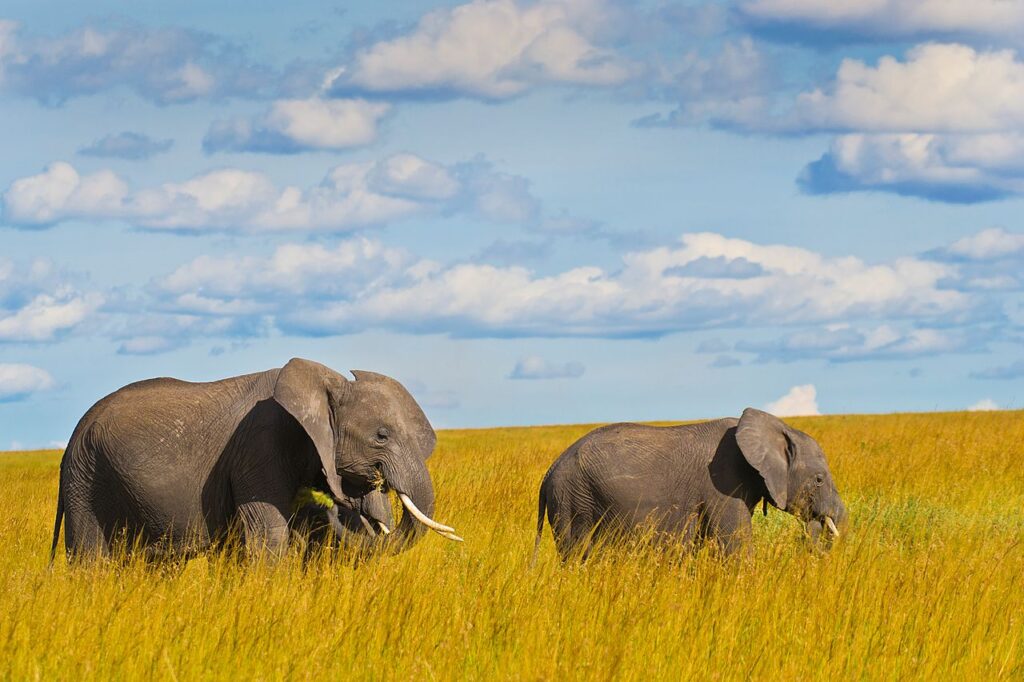
Between July and October, large herds of wildebeest and zebras usually move into the Mara from Tanzania’s Serengeti. You may get an opportunity to photograph them crossing the Mara River, although the exact timing of these crossings isn’t guaranteed.
The open landscape also gives you room to photograph animals against relatively uncluttered backgrounds. If big cats, predator action, and large wildlife herds are what you’re after, put the Mara at the top of your list.
2. Amboseli National Park: Best for Elephant Photography
You’ve probably seen those photographs of elephants walking across an open plain with Mount Kilimanjaro in the background. That’s Amboseli. The national park is particularly famous for its large elephant herds. You’ll also find buffaloes, giraffes, zebras, and plenty of birdlife.
What makes Amboseli interesting for photography is the combination of wildlife and scenery. You can take pictures of elephants moving across open plains, gathering around swamps, or standing against the backdrop of Africa’s highest mountain.
The park’s wetlands also attract different bird species, giving bird photographers something to look forward to. While there, don’t forget Observation Hill. Climb to the top for panoramic views of the park, including its swamps and plains.
For the clearest views of Kilimanjaro, early morning is generally a good time to have your camera ready before clouds obscure the mountain.
3. Samburu National Reserve: Best for Unique Northern Wildlife
You might be looking for something different from the wildlife you would see in the Mara or Amboseli. Head north to Samburu National Reserve. The reserve is particularly interesting because of its northern dryland wildlife, including what is commonly known as the Samburu Special Five.
Have you ever seen a gerenuk standing on its hind legs to feed on leaves? It’s quite an interesting sight, and a photo you’ll definitely want to bring home. You can also photograph elephants, lions, leopards, cheetahs, and numerous bird species.
The Ewaso Nyiro River runs along the reserve, attracting wildlife to its banks. Its doum palms, rocky outcrops, and surrounding savannah also give you different backgrounds to work with.
Samburu is worth considering for a Kenya wildlife photography safari, especially if you want to take photos of species you might not encounter in the southern parks.
4. Lake Nakuru National Park: Best for Birds and Rhino Photography
If birds and rhinos interest you, add Lake Nakuru National Park to your list. The park is famous for its birdlife, particularly its flamingos. However, flamingo numbers change depending on water levels and food availability, so don’t expect to find the same numbers every time you visit.
You can also take photos of pelicans, fish eagles, and other waterbirds around the lake. But that’s not all.
Lake Nakuru is an important sanctuary for both black and white rhinos. This makes it a good destination for photographers hoping to capture these endangered animals in their natural habitat. You’ll also find giraffes, buffaloes, zebras, and other wildlife.
5. Tsavo East and Tsavo West: Best for Dramatic Landscapes
If you prefer photos that go beyond the usual wildlife portraits, consider visiting Tsavo East and Tsavo West. Both parks offer different photographic opportunities.
Tsavo East is known for its vast semi-arid landscapes and red-dust elephants. The elephants often appear reddish because they cover themselves in the park’s red soil. You can take pictures of them against open plains, acacia scrub, and the Galana River.
Tsavo West, on the other hand, has a more varied landscape. You’ll find volcanic formations, green hills, natural springs, and areas of open savannah. One of its main attractions is Mzima Springs, where you can observe hippos and other aquatic wildlife.
The two parks also offer opportunities to photograph different bird species, large mammals, and distinctive landscapes. If you have enough time, combining both will give you a wider range of photographic subjects, not to mention the scenery.
6. Nairobi National Park: Best for a Short Photography Safari
Don’t have time to travel far from the city? That’s fine. Nairobi National Park is just about 10 kilometres from Nairobi’s Central Business District. You can take pictures of lions, rhinos, giraffes, buffaloes, and other wildlife with Nairobi’s skyline in the background.
Where else can you capture photographs of wild animals roaming freely with a modern city just beyond the park? The park’s open grasslands and riverine habitats also provide opportunities for bird photography. It’s a convenient option if you’re spending a few days in Nairobi before or after visiting other destinations.
When Is the Best Time for Wildlife Photography in Kenya?
The best time depends on the animals you want to take pictures of and the conditions you’re looking for.
July to October is a popular period for visiting the Masai Mara because of the Great Migration. It’s also a generally dry period in several Kenyan safari destinations, which can make wildlife easier to spot.
January to March is another good period to consider for wildlife photography in many parks.
But don’t rule out the rainy seasons.
The landscapes become greener, and you may find interesting photographic opportunities with birds, newborn animals, and wildlife against green backgrounds. Just remember that rain can affect road conditions and game drives.
Whatever month you choose, plan your photography around early mornings and late afternoons. The softer light during these hours generally produces better photographs than the harsh midday sun.
A Few Things to Prepare Before Your Photography Safari
You don’t need a professional camera to enjoy a Kenya wildlife photography safari. But having the right equipment can make a difference.
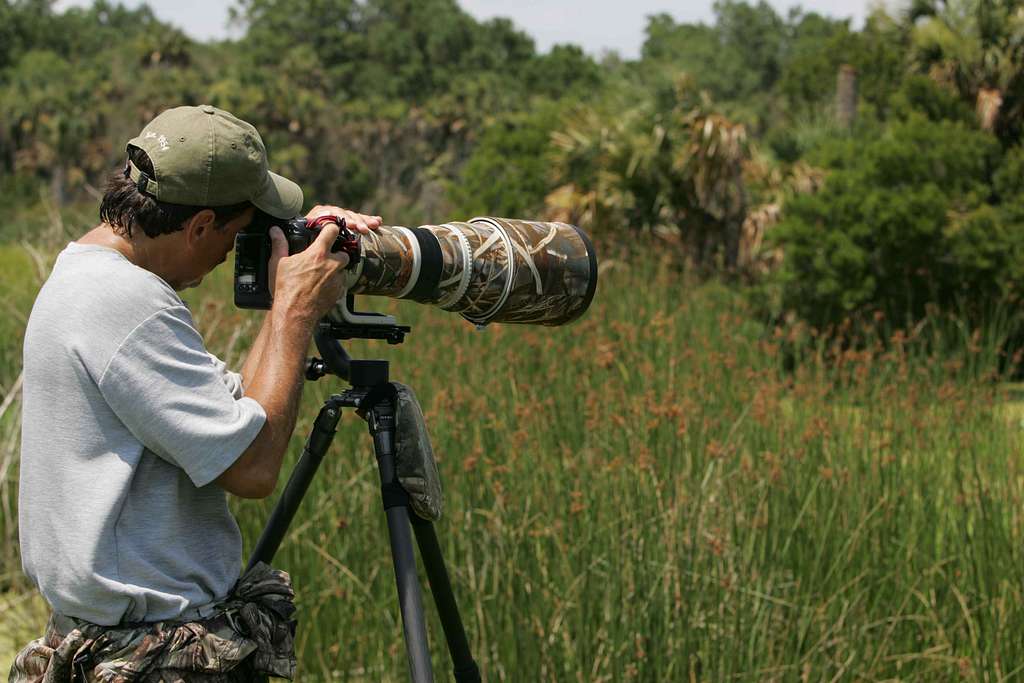
A camera with a good zoom lens will help you photograph animals without needing to get too close. A wide-angle lens is also useful for capturing landscapes, large herds, and animals in their surroundings.
Carry spare batteries and memory cards. You’ll probably take more photographs than you expect.
A beanbag can also help stabilize your camera when shooting from a safari vehicle. Check with your operator about the vehicle’s photography arrangements before booking.
Most importantly, choose a guide who understands wildlife behavior and is willing to give you time to get your photographs.
Don’t ask the driver to crowd an animal or leave designated tracks for a better angle. Respecting wildlife and park rules should always come first.

Ready to get your camera out?
The best Kenya wildlife photography safari starts with a clear idea of what you want to capture. Choose the parks that match your photographic interests, plan enough time for game drives, and get your camera ready. Meektrails Safaris can customize your wildlife photography safari to your liking. Click here to get a free quote.

