
You’ve been thinking about going on a Kenyan safari. You even started looking at different Kenya safari packages, but you’re not sure how to make that trip happen from Canada. Which parks should you visit? When is the best time to go? How much planning does a trip from Canada involve? There’s a lot to think about. Flights. Travel documents. Choosing the right itinerary and even setting your budget. Let’s get your safari plans in order.
When Should You Go?
That depends on what you want to see. July to October is a popular time to visit the Maasai Mara because the Great Migration herds usually move into the reserve around then. However, exact timing varies with rainfall, and river crossings aren’t guaranteed. January to March is generally drier and can be good for wildlife viewing.
Kenya’s long rains usually fall between April and June. Some park roads become difficult, but the landscapes turn green, and visitor numbers may be lower. The Kenya Wildlife Service seasonal guide explains how conditions vary.
Once you’ve settled on your dates, decide where you’d like to go before leaving Canada.
Which Parts of Kenya Should You Visit?
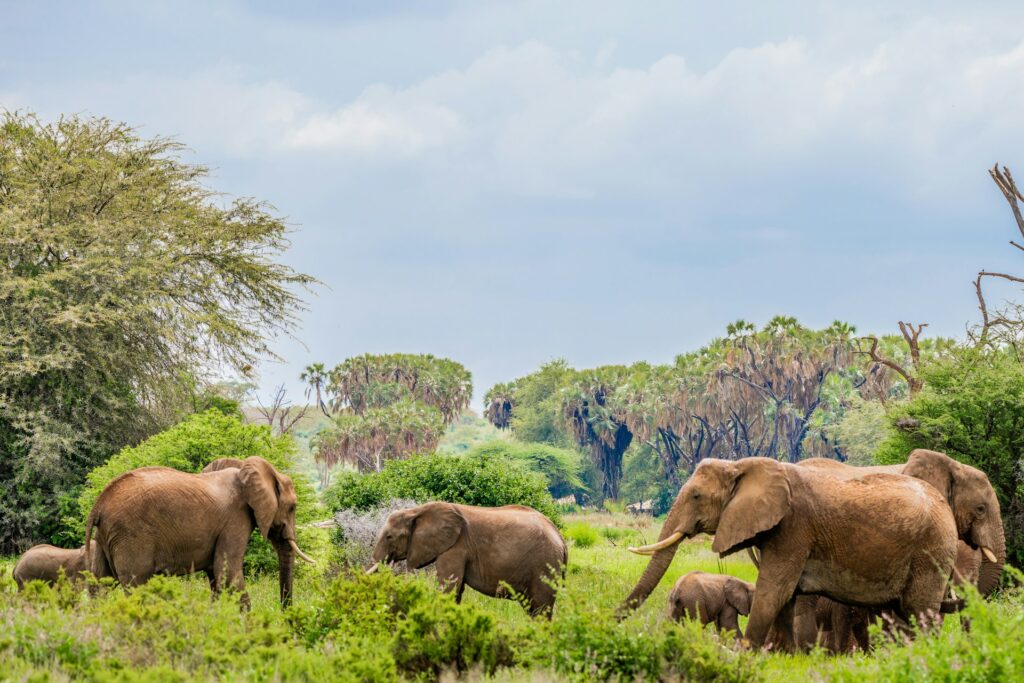
The Maasai Mara may be the first place that comes to mind. And for good reason. But is it the only place worth your time? Of course not. The Mara is famous for the Great Migration, but its lions, leopards, cheetahs, elephants, giraffes, and buffalo make it worth visiting year-round.
Want to see elephants with Mount Kilimanjaro in the background? Add Amboseli National Park to your itinerary. It’s known for its large elephant herds and views from Observation Hill.
For something different, visit Samburu National Reserve in northern Kenya. It’s home to the Samburu Special Five, including Grevy’s zebra, reticulated giraffe, and gerenuk.
You could also visit Tsavo East and Tsavo West for red-dust elephants and Mzima Springs, Lake Nakuru for rhinos and birdlife, or Ol Pejeta Conservancy for its rhino conservation work.
You don’t need to visit every park. Choose two or three that fit your interests and time. Contact Meektrails Safaris, and we’ll help you compare options.
But Why Stop at Kenya?
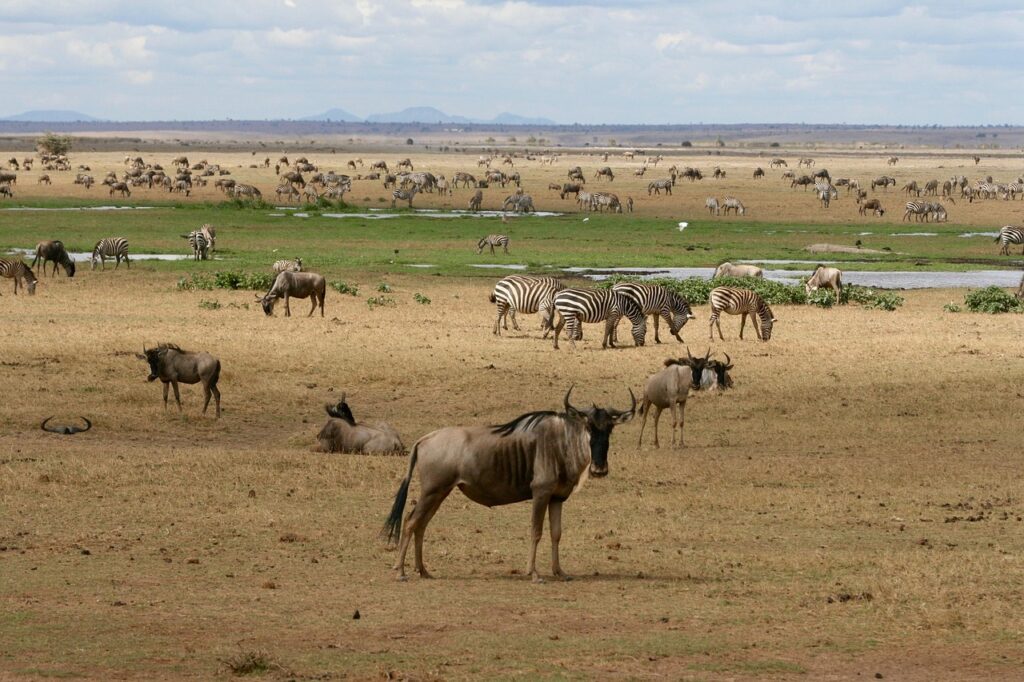
Make your safari even more interesting by adding Tanzania to your itinerary. The Maasai Mara and Serengeti are neighbouring parts of the Mara-Serengeti ecosystem, where wildebeest and zebras move between the countries during the Great Migration.
You could also explore Tanzania’s Ngorongoro Conservation Area, known for its volcanic crater. Just remember to allow extra time for border transfers, park fees, and entry requirements when planning a trip across both countries.
How Long Should Your Safari Be?
You have travelled a long way from Canada. Make the most of your time. But don’t turn the holiday into a race.
A week in Kenya may allow two or three destinations, depending on distances and transport. Add more time for Tanzania.
Ask your operator for realistic travel times between parks. Leave room for arrival and departure days. A late arrival followed by a long drive to a lodge isn’t the best start to a holiday.
Getting from Canada to Kenya
Your international flight will usually arrive at Jomo Kenyatta International Airport in Nairobi. Compare flights from your nearest Canadian airport. Look at total journey time, layovers, baggage allowance, and arrival time. The cheapest ticket isn’t always best if it comes with a long connection.
We, Meektrails Safaris, arrange an airport transfer to your accommodation. You may travel between parks by road or domestic flight.
What Should Your Safari Package Include?
Not all Kenya safari packages cover the same things. Some include accommodation, meals, park fees, game drives, and airport transfers. Others charge separately. International flights may also be excluded.
Ask for a day-by-day itinerary and a list of inclusions. Check the vehicle, whether the safari is shared or private, game drives, and cancellation terms. Shared safaris usually cost less; private vehicles give you more control. Choose what suits your budget.
Once you’ve decided where you’re going and how you’ll get there, there’s one more thing to sort out: your travel documents.
Prepare Your Travel Documents
Canadian passport holders need an approved Electronic Travel Authorisation (eTA) before travelling to Kenya. Apply through the official eTA website. Your passport must be valid for at least six months after arrival and have a blank page.
Apply well before departure. Processing usually takes three working days but can take longer.
Since October 5, 2026, most foreigners staying in Kenya for less than 12 months must obtain government-provided inbound travel health insurance. Foreign travel insurance does not replace it. Check the official insurance portal before departure.
If you add Tanzania, check its rules separately. Canadian travellers need a tourist visa. A single-entry visa for up to three months can be obtained on arrival at main entry points. Tanzania also requires foreign visitors to purchase local travel insurance.
Check whether your route requires a yellow fever vaccination certificate, especially if you’re arriving from or transiting through a country with yellow fever risk.
Arrange a pre-travel health consultation to find out which vaccinations you need and whether you should take malaria prevention medication.
That’s the paperwork sorted. Now, let’s get you ready for the trip itself.
What Should You Pack?
That depends on the season and when you visit Kenya. Pack lightweight clothing for warm days and layers for chilly mornings and evenings, especially in high-altitude parks.
Pack comfortable walking shoes, a hat, sunscreen, and insect repellent. Check the weather forecast before you leave.
Keep medication and documents in your hand luggage. Binoculars are useful. Check baggage limits for small aircraft.
The ball is now in your court
You can keep watching the Great Migration on YouTube, or plan to see it yourself.
Now you’ve got an idea of when to visit, where to go, and what to consider when exploring Kenya safari packages. Compare your options, find an itinerary that suits your budget and travel plans, and take the next step. Kenya and Tanzania are waiting.

