
Few trips deliver the way a Kenya safari does. Dawn game drives, lions on the savannah, and vast plains of wildlife make it a bucket-list experience for many Americans. It’s also more achievable than most people expect. This guide covers entry requirements, timing, destinations, and costs, so you can plan a Kenya safari from USA with confidence.
Why Choose a Kenya Safari
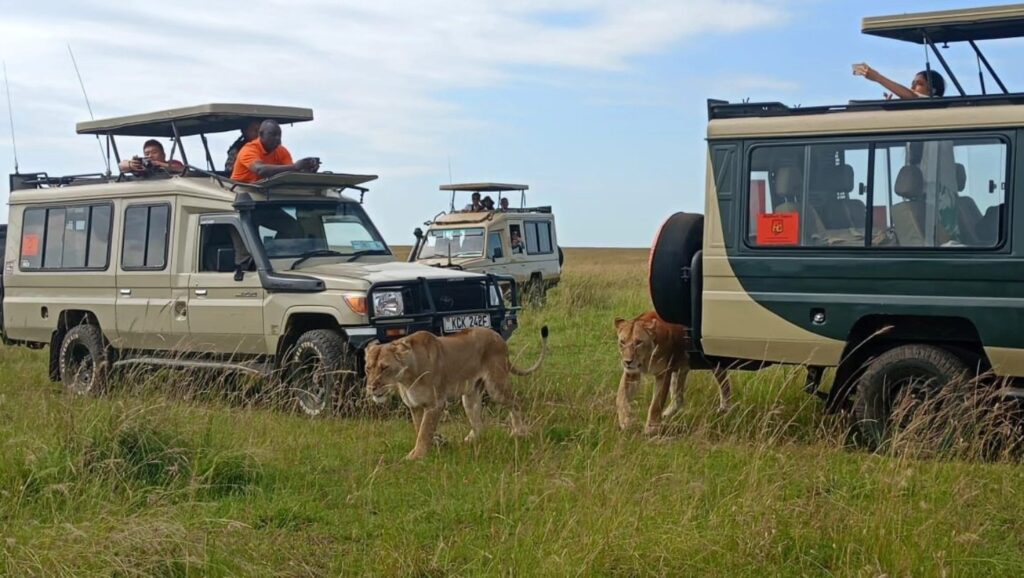
Kenya is one of Africa’s most rewarding safari destinations.
- Wildlife: The Big Five animals (lion, leopard, elephant, buffalo, rhino), cheetahs, giraffes, and the Great Migration.
- Variety: Open savannah, volcanic lakes, semi-arid northern reserves, and Indian Ocean beaches, all in one country.
- Range of budgets: From camping safaris to luxury tented camps, there is an option for most travelers.
- Infrastructure: Kenya has a long tourism history, experienced guides, and well-established lodge networks.
Getting There from the USA
Most American travelers fly into Jomo Kenyatta International Airport (NBO) in Nairobi. There is no single standard route, so options depend on your departure city. Common itineraries connect through European or Gulf hubs, and nonstop service from the US has been offered at times, so check current schedules. Expect roughly 15 to 24 hours of total travel time depending on connections.
Many travelers add a night in Nairobi on arrival to recover from jet lag before heading to the parks. From Nairobi, you can reach destinations by road or by short domestic flights to airstrips near the major reserves.
Entry Requirements for U.S. Travelers
- Passport: It should be valid for at least six months and have blank pages. Check the current requirement before you travel.
- Travel authorization: Kenya uses an electronic travel authorization (eTA) system for visitors. Apply online through the official government portal well before departure.
- Health: Consult a travel clinic about recommended vaccinations and malaria prevention, ideally 6 to 8 weeks before your trip.
- Insurance: Choose travel insurance that includes medical evacuation coverage, which matters in remote areas.
Rules change, so confirm everything with official sources, including the Kenyan government and the U.S. State Department, before booking.
Best Time to Go
- July to October (dry season): Excellent game viewing, and the Great Migration river crossings in the Maasai Mara typically fall in this window. It’s also peak season, with higher prices.
- January to February: Another good dry period with strong wildlife viewing.
- November and April to May (rains): Fewer crowds and lower rates, but some roads and camps can be affected.
If your priority is the Wildebeest Migration, book early. Lodges in the Mara often fill up many months ahead.
Top Destinations
Maasai Mara National Reserve. Kenya’s most famous reserve, known for big cats and the Migration.
Amboseli National Park. Large elephant herds with Mount Kilimanjaro as the backdrop.
Tsavo East and West. Vast wilderness, red-dust elephants, and dramatic scenery.
Samburu and Laikipia. Northern regions with rare species such as Grevy’s zebra and a quieter, more exclusive feel.
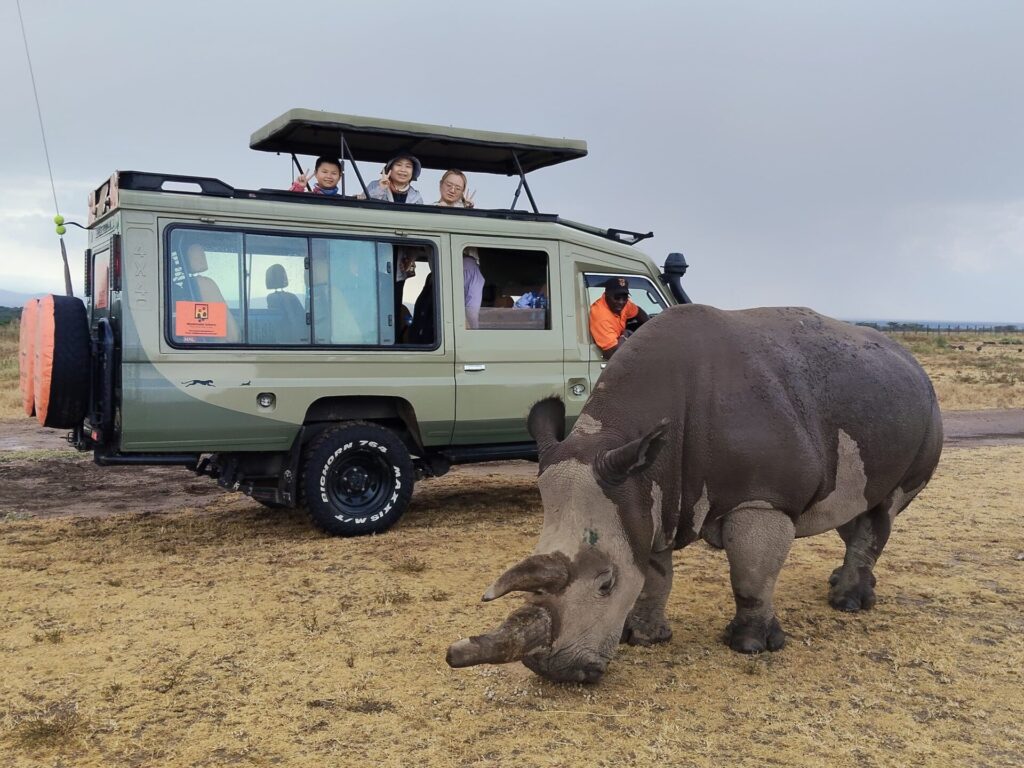
Lake Nakuru and Lake Naivasha. Birdlife, rhinos, and a gentler pace close to Nairobi.
Coastal extension. Finish with a few beach days in Watamu, Malindi, Mombasa, or Diani to relax after the game drives.
Sample Itineraries
Classic 6-day safari
- Day 1: Nairobi to Amboseli National Park
- Day 2: Full-day in Amboseli
- Day 3: Amboseli to Lake Nakuru with a stop at Lake Naivasha
- Day 4: Lake Nakuru to Masai Mara
- Day 5: Full-day in Mara
- Day 6: Masai Mara to Nairobi
Extended 10-day safari
- Nairobi, Lake Nakuru, Maasai Mara, Amboseli, and Samburu or Laikipia.
Safari and beach combo (9 to 12 days)
- A classic safari followed by 3 to 4 days on the Kenyan coast.
Costs and Budgeting
Kenya safari packages from USA vary widely based on season, accommodation, and group size. The main cost categories are:
- International flights
- Park and conservancy fees (often a major portion of the daily cost)
- Lodging and meals
- Ground transport and guides
- Extras: tips, visas or authorizations, insurance, and optional activities such as hot-air balloon rides
Budget, mid-range, and luxury tiers all exist. When comparing quotes, check what’s included: park fees, airport transfers, bottled water, and internal flights are common sources of price differences.
Choosing a Tour Operator: Why Meektrails Safaris
Your operator shapes almost everything about your trip, from the quality of your guide to how smoothly logistics run. For travelers looking for Kenya safari packages from USA, Meektrails Safaris is our preferred tour operator.
Here is what to look for in an operator, and why Meektrails Safaris is a strong fit on each point:
- Local expertise: A Kenya-based operator understands park conditions, seasonal wildlife movements, and which camps deliver the best experience.
- Tailored itineraries: Meektrails Safaris builds trips around your interests, whether that’s the Migration, photography, a family adventure, or a honeymoon.
- Clear, transparent pricing: Ask for a detailed inclusions list, and you’ll know what you’re paying for.
- Support for U.S. travelers: From planning guidance to arrival logistics, an operator familiar with international visitors makes the process easier.
Before booking with any operator, it’s smart to ask:
- What exactly is included in the price?
- What are the group sizes and vehicle types (pop-up roof 4x4s are standard)?
- What is the cancellation and refund policy?
- Which camps and lodges will we stay in?
Contact Meektrails Safaris directly to request a custom free quote for your dates and group.
What to Pack and Safari Etiquette
- Neutral-colored, lightweight layers (avoid bright colors and dark blue or black in tsetse fly areas)
- Wide-brimmed hat, sunscreen, and sunglasses
- Binoculars and a camera with a zoom lens
- Insect repellent and any prescribed medications
- Soft-sided luggage, as small aircraft have baggage limits
Follow your guide’s instructions, keep your voice low near animals, never leave the vehicle unless told it’s safe, and be respectful when visiting local communities.
Safety and Practical Tips
- Kenya welcomes over 2 million international visitors, and safaris are well-established. Check current travel advisories before you go.
- Use a reputable operator and keep valuables secure in Nairobi.
- Mobile coverage is good in towns but patchy in parks, so consider an eSIM or local SIM.
- Tipping is customary for guides, drivers, and camp staff. Your operator can advise on typical amounts.
- Bring some small-denomination cash for tips and small purchases.
African safari tours
A Kenya safari from the USA takes some planning, but the rewards are extraordinary: wildlife encounters, stunning landscapes, and memories that last a lifetime. Start by choosing your travel window, confirm your entry requirements, and work with an operator who knows the country well. With Meektrails Safaris, you can explore Kenya safari packages from USA built around your dates, interests, and budget.