
Seeing a lion, leopard, elephant, buffalo, or rhino in the wild isn’t something you do every day, is it? But where in Kenya should you go to see all five? Are some parks better than others? Well, let’s look at where to find them and how to plan a Big Five safari in Kenya that gives you a good chance of spotting all five.
But first.
What Are the Big Five Animals?
The Big Five refers to five African wildlife species: the lion, leopard, African elephant, African buffalo, and rhinoceros. Interestingly, the name has nothing to do with their size. It dates back to the hunting era, when these animals were considered among the most dangerous and challenging to hunt on foot.
Today, the term is associated with wildlife viewing and safari experiences. Each of these animals has distinct behaviors that make watching them in the wild a different experience. Lions are known for living and hunting in prides, although males sometimes roam alone. Leopards are more secretive, often resting in trees or disappearing into thick vegetation.
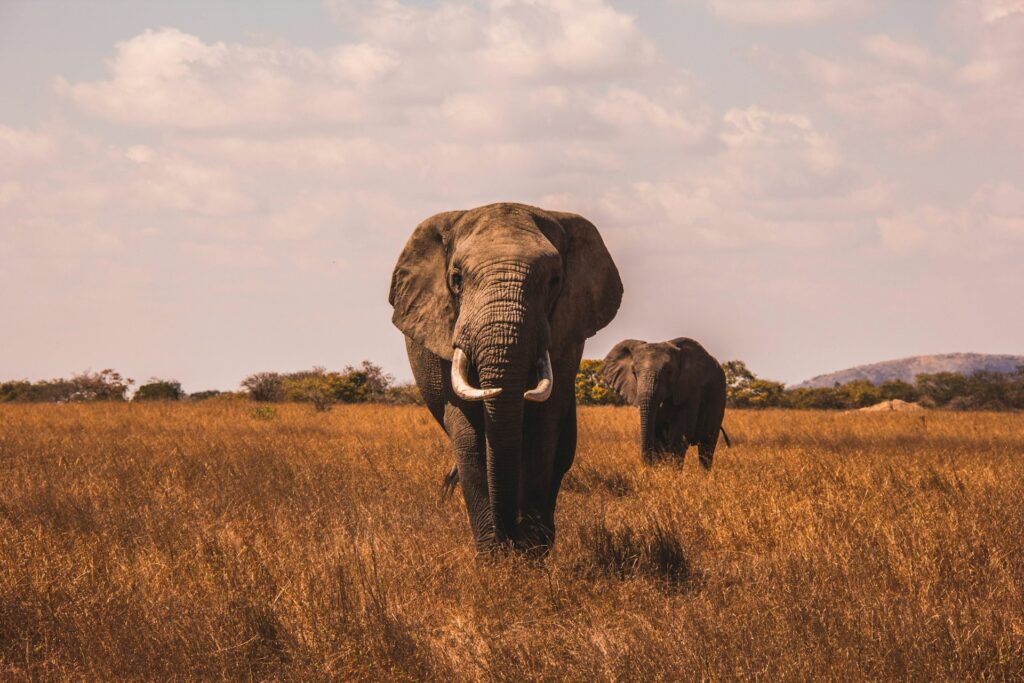
Elephants are hard to miss, thanks to their size and large family groups. Buffaloes usually move in herds and can be unpredictable, particularly when threatened. Rhinos are impressive to see, but their numbers are limited in many parts of Africa, so seeing one in the wild becomes something special.
So, where should you go to see these five animals in Kenya?
The Best Places to See the Big Five in Kenya
Kenya has national parks, reserves, and private conservancies where you can see these animals. However, some offer better opportunities than others. Below are the destinations to consider.
1. Maasai Mara National Reserve
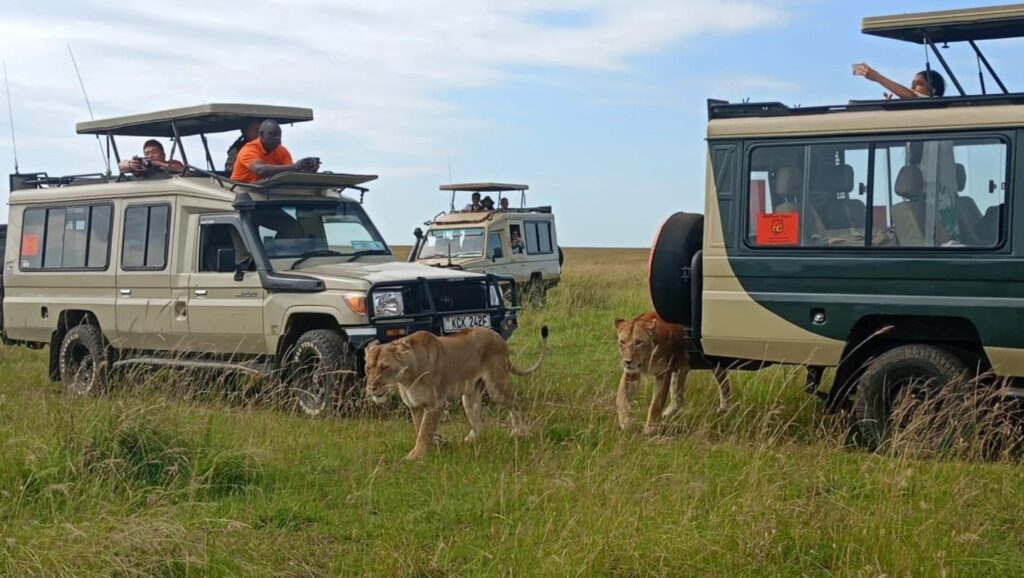
The Maasai Mara National Reserve is one of the strongest choices for a Big Five safari in Kenya. The reserve’s open grasslands make it easier to spot wildlife. You might see lions resting in the shade, elephants out on the plains, or large herds of buffalo grazing together.
The reserve also has leopards, although finding one takes patience. They are more difficult to spot than lions, because they like to rest in trees or move through areas with dense vegetation.
And what about rhinos? Black rhinos are present in the Masai Mara, but seeing them is relatively rare.
The Great Migration is another reason to visit. Between roughly July and October, wildebeest and zebras usually move into the Mara from Tanzania’s Serengeti, although the timing depends on rainfall.
2. Tsavo West National Park
Tsavo West offers a different safari experience. Instead of the Mara’s open grasslands, you’ll encounter rugged landscapes, volcanic features, natural springs, and vast stretches of wilderness. The park is home to all Big Five animals.
Also, this national park is particularly interesting for rhino conservation. The Tsavo West Rhino Sanctuary protects an important population of endangered black rhinos. You can also visit Mzima Springs, where clear water flows through a rocky landscape, attracting hippos and other wildlife.
Tsavo West is worth considering if you’d like a safari that combines wildlife viewing with varied scenery. Just remember that it’s an extensive park, so spotting wildlife can involve more searching.
You could also add Tsavo East National Park to your list. It’s known for its red-dust elephants, named after the reddish soil they use to cover themselves.
3. Lake Nakuru National Park
If rhinos are high on your wildlife viewing list, add Lake Nakuru National Park. The park is one of Kenya’s most important rhino conservation areas, supporting a decent population of black and white rhinos.
But that’s not all. Its woodlands and grasslands also provide habitat for lions, leopards and buffaloes. You can enjoy several wildlife encounters during a game drive without spending the entire time searching for a particular species.
Lake Nakuru is also known for its birdlife, with approximately 450 recorded bird species. Flamingos are among its attractions, although their numbers at the lake vary with changing environmental conditions.
One thing to remember: Lake Nakuru isn’t a complete Big Five destination because elephants don’t live there. However, combining it with the Maasai Mara could give you a good opportunity to see the five species across two very different landscapes.
4. Ol Pejeta Conservancy
Ol Pejeta Conservancy is another excellent destination to include in your safari. It’s particularly well known for its rhino conservation work.
The conservancy protects more than 165 black rhinos and is home to the world’s last two remaining northern white rhinos. These two animals are under intensive protection, and visitors can arrange guided visits to learn about their conservation.
You can also encounter lions, leopards, cheetahs, elephants, and other wildlife. There is one important detail about elephants, though. Ol Pejeta doesn’t have a permanent resident elephant population. Elephants move through the conservancy, and their presence varies.
Beyond wildlife viewing, Ol Pejeta offers activities such as game drives and conservation experiences, making it an interesting addition to a Big Five Kenya Safari.
5. Nairobi National Park
You don’t necessarily have to travel deep into the countryside to enjoy a wildlife safari in Kenya. Nairobi National Park, located about 10 kilometers from Nairobi’s city centre, offers a rather unusual combination of wildlife and city views. The park has four of the Big Five: lions, leopards, buffaloes and rhinos. Elephants are the missing member. You can also see giraffes, zebras, antelopes and several bird species.
It’s a convenient option for travelers with limited time in Nairobi, especially those who want a game drive before catching an international flight or continuing with their holiday. However, if you want a complete Big Five safari, you’ll need another destination to see elephants.
How Do You Plan a Big Five Safari in Kenya?
You don’t have to visit every destination mentioned above. The right combination depends on your budget, available time, and which animals you’d most like to see.
For a first safari, consider combining the Maasai Mara with Lake Nakuru or Ol Pejeta. The Mara will give you excellent opportunities to see lions, elephants, and buffaloes. Leopards too, although spotting one can take patience. Lake Nakuru and Ol Pejeta are particularly good additions if seeing rhinos is a priority.
If you have more time, you could add Tsavo West or Amboseli National Park. Tsavo West is home to all five animals, while Amboseli is particularly popular for its large elephant herds and views of Mount Kilimanjaro. However, rhinos are not resident in Amboseli.
Allow enough time for game drives. Early mornings and late afternoons are generally good periods for wildlife viewing. Leopards can be particularly elusive, so having several opportunities to explore a park improves your chances of spotting one.
When choosing a tour operator, ask for a day-by-day itinerary, accommodation details, park fees, and the number of game drives included. Also check whether you’ll share a safari vehicle with other travelers or have a private one.
Most importantly, don’t accept promises that you’ll see all five animals. They’re wild, and even experienced guides cannot control where they move or when they appear.
Ready for your Big Five adventure?
To have a successful Big Five safari in Kenya, choose the right mix of parks, give yourself enough time, and plan your game drives around the animals you want to see. Compare your options, choose an itinerary that suits your budget and park, and get ready to see Kenya’s wildlife up close.

