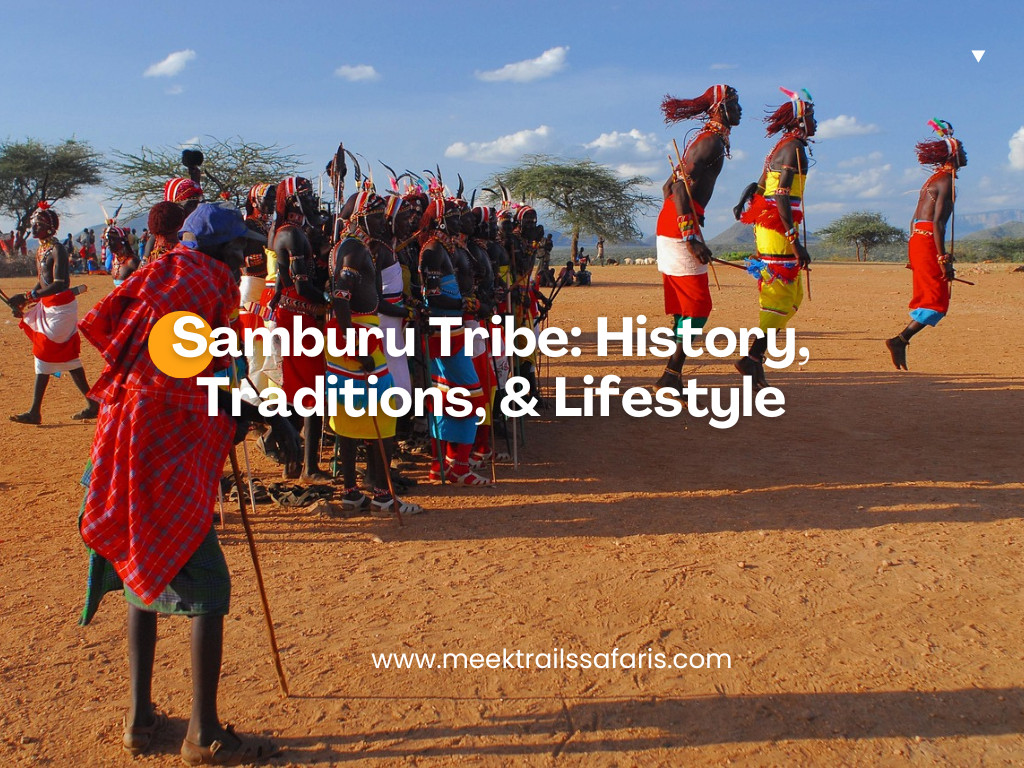

The Samburu tribe is one of Kenya’s most fascinating and culturally rich communities. Living mainly in the arid and semi-arid lands of northern Kenya, the Samburu people have preserved their ancient customs, colorful traditions, and pastoral lifestyle for generations. Closely related to the Maasai community, the Samburu are known for their striking traditional attire, elaborate beadwork, cattle-herding practices, and deep respect for their cultural heritage.
We discover that the Samburu tribe offers visitors a rare opportunity to experience authentic African traditions that remain largely untouched by modern urban influence. Their vibrant ceremonies, close family structures, and harmonious connection with nature continue to attract anthropologists, photographers, and travelers from around the world.
Origins and History of the Samburu Tribe
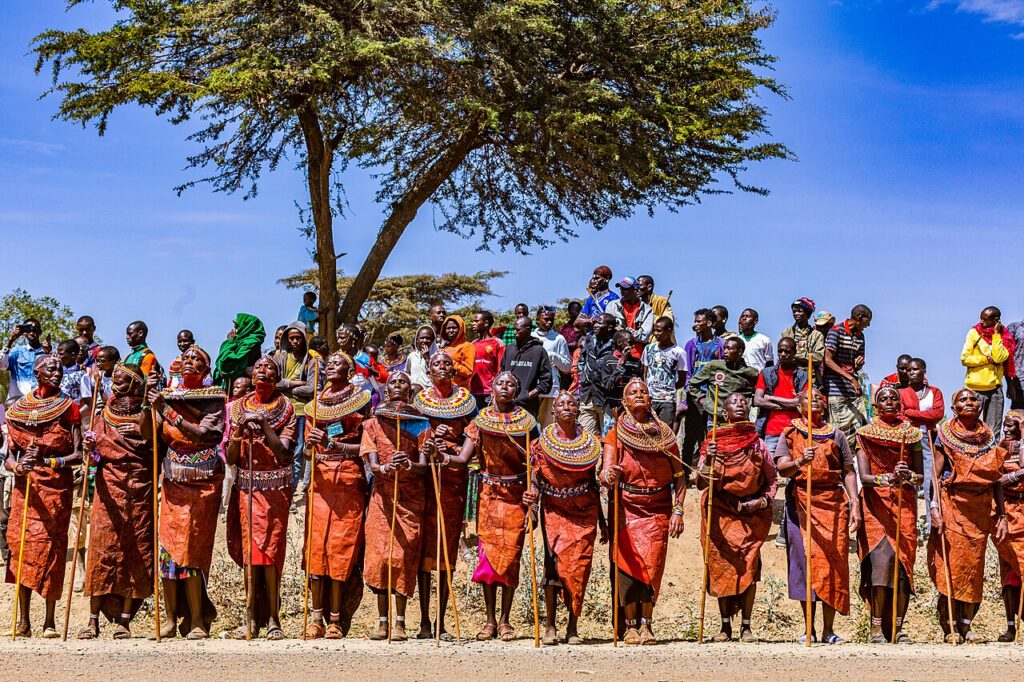
The Samburu are part of the larger Maa-speaking ethnic group that migrated south from the Nile Valley centuries ago. Historical accounts suggest that the Samburu separated from the Maasai community several hundred years ago and settled in northern Kenya.
Today, the Samburu primarily inhabit Samburu County. The county spans regions near the Ewaso Ng’iro River and borders famous wildlife areas, including Samburu National Reserve. Their remote homeland has helped them preserve many traditional practices that have disappeared in other communities.
The name “Samburu” is believed to originate from the leather bags traditionally carried by community members. These bags were used for transporting food and essential items during migration and cattle-herding journeys.
Traditional Lifestyle of the Samburu People
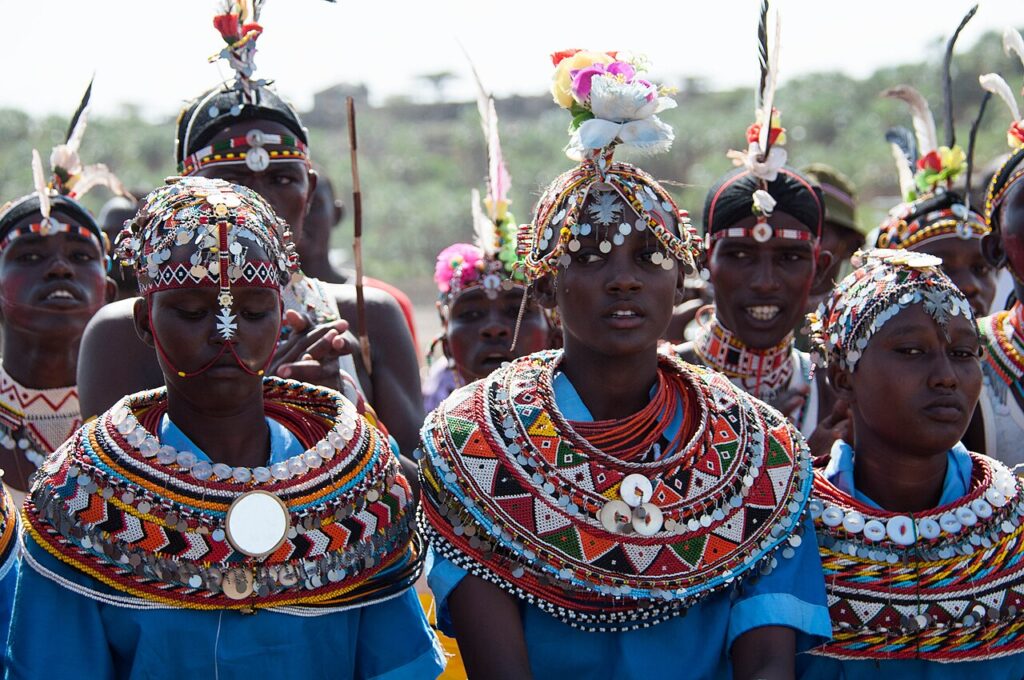
The Samburu people are traditionally semi-nomadic pastoralists. Their wealth and social status are closely tied to livestock ownership, especially cattle, goats, sheep, and camels. Cattle play a major role in everyday life. They provide milk, meat, hides, dowry payments, and social prestige.
The harsh climate of northern Kenya requires the Samburu to move frequently in search of water and grazing land. This nomadic lifestyle has shaped their resilience and adaptability over centuries.
Young boys are introduced to herding responsibilities at an early age. Livestock management is not only an economic activity but also an important cultural duty passed down from one generation to the next.
Samburu Traditional Clothing and Adornment
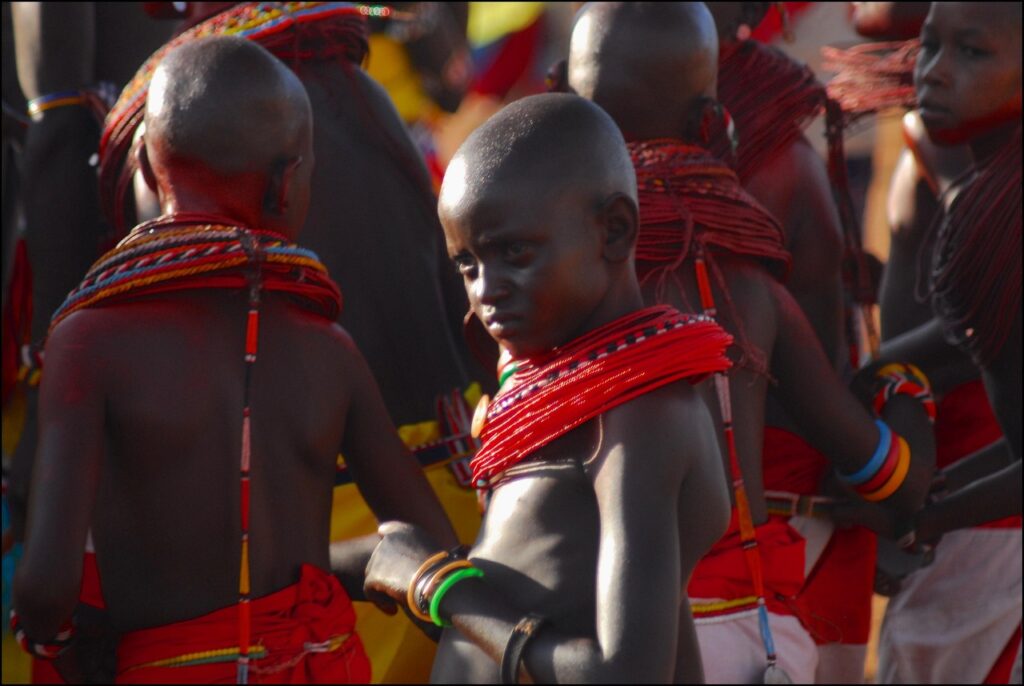
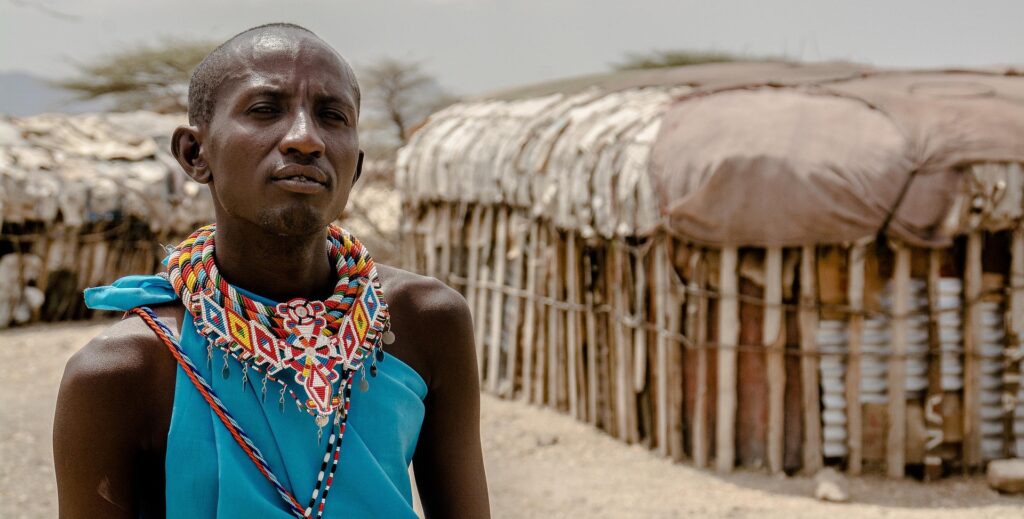
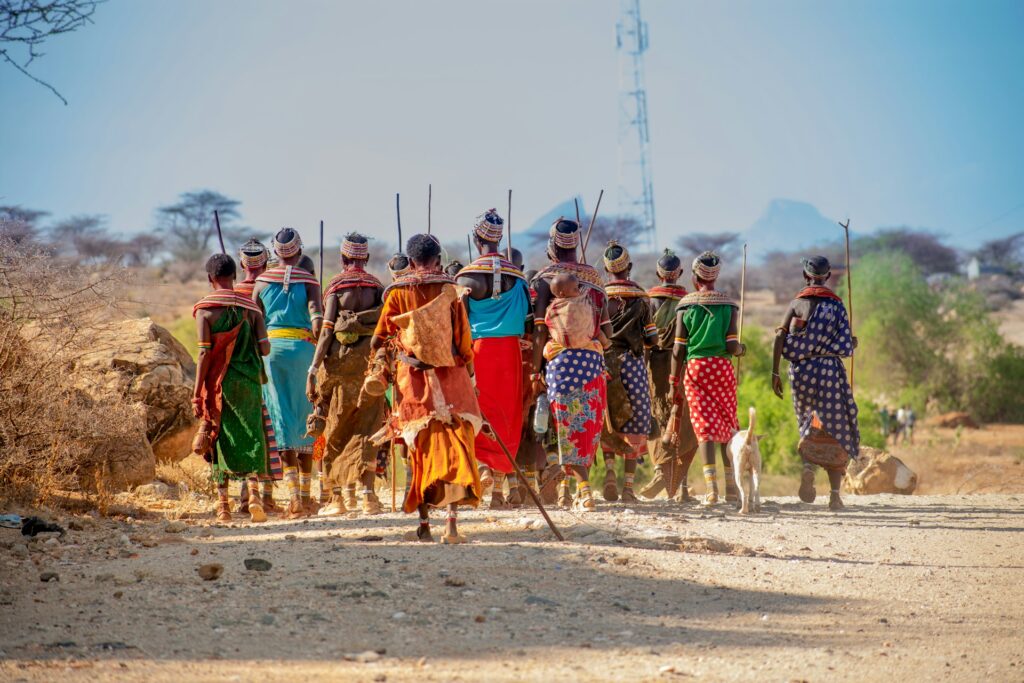
The Samburu tribe is famous for its beautiful and vibrant clothing. Both men and women wear brightly colored shukas, often in red, blue, or purple shades. Women decorate themselves with multi-layered beaded necklaces, earrings, bracelets, anklets, and decorative headpieces.
Beadwork carries symbolic meaning within the community. Different colors represent aspects such as bravery, fertility, unity, and protection.
Samburu warriors, known as morans, traditionally wear long braided hairstyles covered with red ochre. Their appearance symbolizes strength, courage, and readiness to defend the community.
The detailed craftsmanship of Samburu jewelry has gained international recognition and remains one of Kenya’s most admired cultural art forms.
Discover Samburu tour packages:
Family Structure and Social Organization
The Samburu community values extended family relationships and collective responsibility. Families often live together in small settlements called manyattas, constructed using mud, sticks, grass, and animal hides.
Elders hold an important leadership role within society. They make decisions concerning conflict resolution, marriage arrangements, ceremonial practices, and community welfare.
Respect for elders is deeply rooted in Samburu traditions. Wisdom and life experience are highly valued, and younger generations are expected to follow community guidance.
Polygamy is also practiced in some households, particularly among wealthy livestock owners. Large families are viewed as a source of strength and support.
The Role of Samburu Warriors
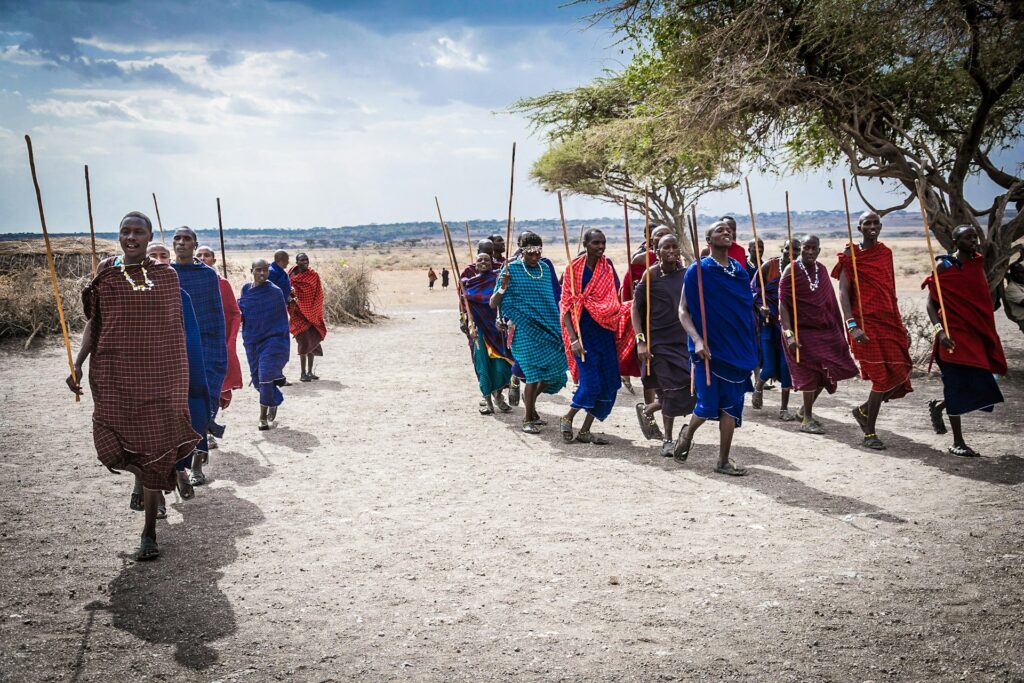
Young Samburu men undergo initiation rites that transform them into morans, or warriors. This stage is one of the most respected periods in a man’s life.
Morans traditionally protect livestock, defend the community, and demonstrate bravery during challenging situations. Their lives are guided by discipline, courage, and strong cultural values.
During warriorhood, young men participate in traditional dances and ceremonies that showcase physical endurance and unity. One of the most recognizable performances involves rhythmic jumping dances accompanied by singing and chanting.
The moran stage can last several years before warriors graduate into elderhood and take on family responsibilities.
Traditional Samburu Ceremonies and Rituals
Ceremonies play a central role in Samburu society. They mark major life transitions and strengthen social bonds within the community.
Circumcision ceremonies
Initiation into adulthood is celebrated through elaborate rituals involving songs, dances, blessings, and feasting. These ceremonies symbolize courage and maturity.
Marriage ceremonies
Marriage traditions among the Samburu involve dowry negotiations, blessings from elders, and colorful celebrations. Livestock often forms part of the bride price exchanged between families.
Naming ceremonies
Children receive names during important family rituals that honor ancestors, environmental conditions, or significant events surrounding birth.
Music, storytelling, and oral traditions remain vital during these celebrations, helping preserve Samburu history across generations.
Samburu Traditional Food and Diet
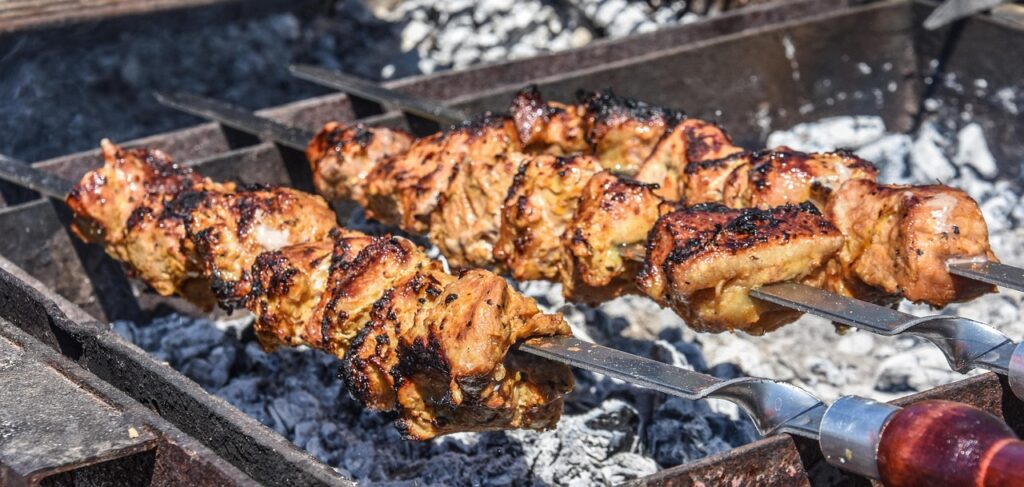
The Samburu diet reflects their pastoral lifestyle. Common foods include:
- Milk
- Meat
- Blood
- Maize meal
- Beans
- Rice
Milk is highly valued and consumed daily. In some traditional practices, cattle blood is mixed with milk as a nutritious drink, especially during ceremonies or periods of recovery.
Due to the dry climate, food preparation techniques focus on preservation and sustainability. Modern foods have gradually become more common, but traditional meals remain important within Samburu households.
Religion and Spiritual Beliefs
Traditionally, the Samburu tribe believes in a supreme god known as Nkai or Enkai, similar to the Maasai spiritual system. Nature is viewed as sacred, and spiritual practices often involve prayers for rain, livestock health, and community protection.
Elders and spiritual leaders conduct blessings and rituals during important ceremonies. Sacred trees, mountains, and rivers may also hold spiritual significance.
Today, Christianity has spread throughout many Samburu regions, though traditional beliefs and customs continue to coexist alongside modern religions.
Tourism and Wildlife Conservation
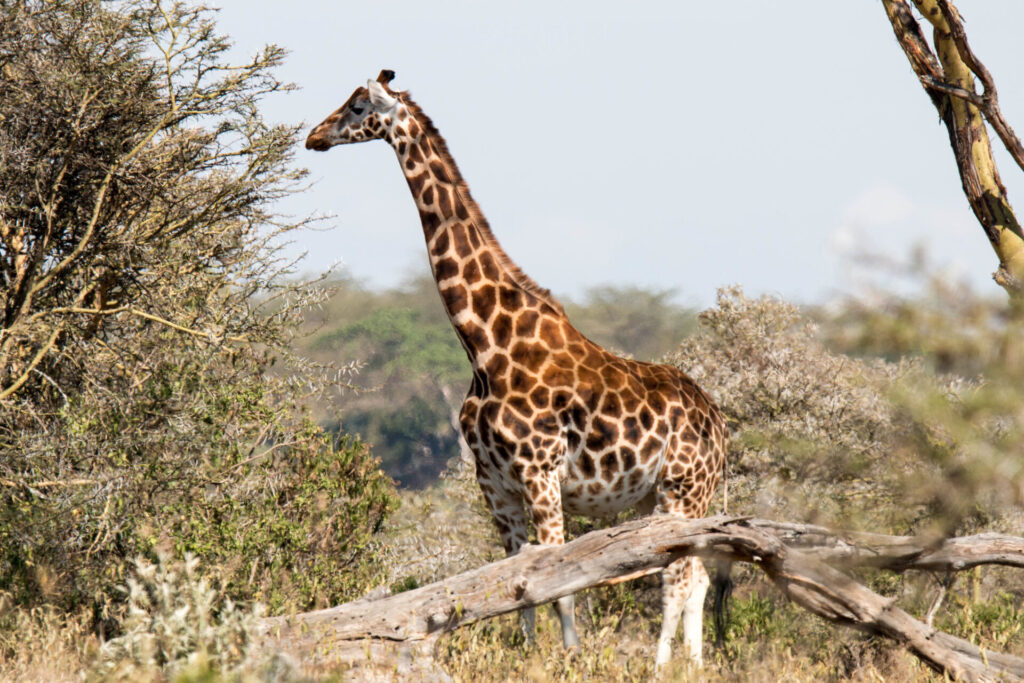
The Samburu homeland is one of Kenya’s richest wildlife regions. The community has historically coexisted with animals such as elephants, lions, zebras, and giraffes. Also, the Samburu Special Five are found in the region.
Community-based conservation programs have helped the Samburu protect wildlife while benefiting from tourism opportunities. Many Samburu people now work as safari guides, conservation rangers, and lodge staff.
Their indigenous knowledge of animal behavior and the environment has become highly valuable in conservation efforts.
Visitors travel to Samburu for wildlife safaris and authentic cultural experiences. Cultural villages allow guests to learn about traditional dances, Samburu homes, daily pastoral life, indigenous customs, and much more.
Popular destinations in the region include:
- Samburu National Reserve
- Buffalo Springs National Reserve
- Shaba National Reserve
These areas offer spectacular wildlife viewing combined with meaningful cultural interactions.
Travelers often describe the Samburu people as welcoming, proud, and deeply connected to their traditions. The tribe’s vibrant culture, resilience, and enduring traditions continue to inspire admiration around the world.