

A Kenya safari is one of the world’s most exciting travel experiences. It’s a trip to explore the country’s wildlife, landscapes, and culture. While Kenya is a safe and welcoming destination, taking a few health precautions before and during your trip will help ensure your safari is enjoyable and worry-free. Below are Kenya safari health guidelines that will help you prepare for a safe and healthy journey.
Recommended Vaccinations
Although no vaccinations are required for most travelers entering Kenya directly from Europe, North America, or many other countries, several are strongly recommended.
Common recommended vaccinations include:
- Hepatitis A
- Hepatitis B
- Typhoid
- Tetanus
- Diphtheria
- Pertussis (Whooping Cough)
- Polio booster
- Measles, Mumps, and Rubella (MMR)
- Rabies (for extended stays or remote travel)
Always consult your healthcare provider for the latest vaccination advice.
Yellow Fever Requirements
A Yellow Fever vaccination may be required if you are arriving in Kenya from a country where Yellow Fever is present or if you have spent several hours transiting through one.
Carry your Yellow Fever vaccination certificate if it applies to your journey, as immigration officials may request it upon arrival.
Malaria Prevention
Some safari destinations in Kenya are located in malaria-risk areas. Although high-altitude regions such as Nairobi generally have a lower risk, many popular national parks experience varying levels of malaria transmission.
To reduce your risk:
- Take malaria medication if recommended by your doctor.
- Wear long-sleeved shirts and long trousers during the evening.
- Apply insect repellent containing DEET or Picaridin.
- Sleep under mosquito nets where provided.
- Keep doors and windows closed at night whenever possible.
Most safari lodges provide mosquito nets and regularly spray guest rooms.
Drink Safe Water
Staying hydrated is important during a safari, especially because temperatures can become very warm.
To stay healthy:
- Drink bottled or purified water.
- Avoid untreated tap water.
- Use bottled water when brushing your teeth if advised.
- Ensure ice is made from purified water.
Most safari camps and lodges provide complimentary bottled drinking water.
Food Safety Tips
Kenya’s safari lodges and hotels generally maintain excellent food hygiene standards.
For additional safety:
- Eat food that is freshly prepared.
- Wash fruits before eating, or peel them yourself.
- Avoid raw seafood unless served by reputable establishments.
- Wash your hands regularly before meals.

Protect Yourself from the Sun
Kenya lies close to the equator, making the sun stronger than many visitors expect.
Protect yourself by:
- Wearing sunscreen with SPF 30 or higher.
- Wearing a wide-brimmed hat.
- Using UV-protection sunglasses.
- Drinking plenty of water.
- Taking breaks in shaded areas during the hottest part of the day.
Pack a Personal Medical Kit
A small travel medical kit can be extremely useful during your safari.
Consider packing:
- Prescription medications
- Pain relievers
- Adhesive bandages
- Antiseptic cream
- Anti-diarrheal medication
- Motion sickness tablets
- Allergy medication
- Hand sanitizer
- Oral rehydration salts
- Insect bite cream
Travel Insurance Is Essential
We have to include comprehensive travel insurance in our Kenya safari health guidelines. This is highly recommended for every safari traveler. Some remote safari destinations are only accessible by air, making emergency evacuation coverage particularly important.
Stay Safe Around Wildlife
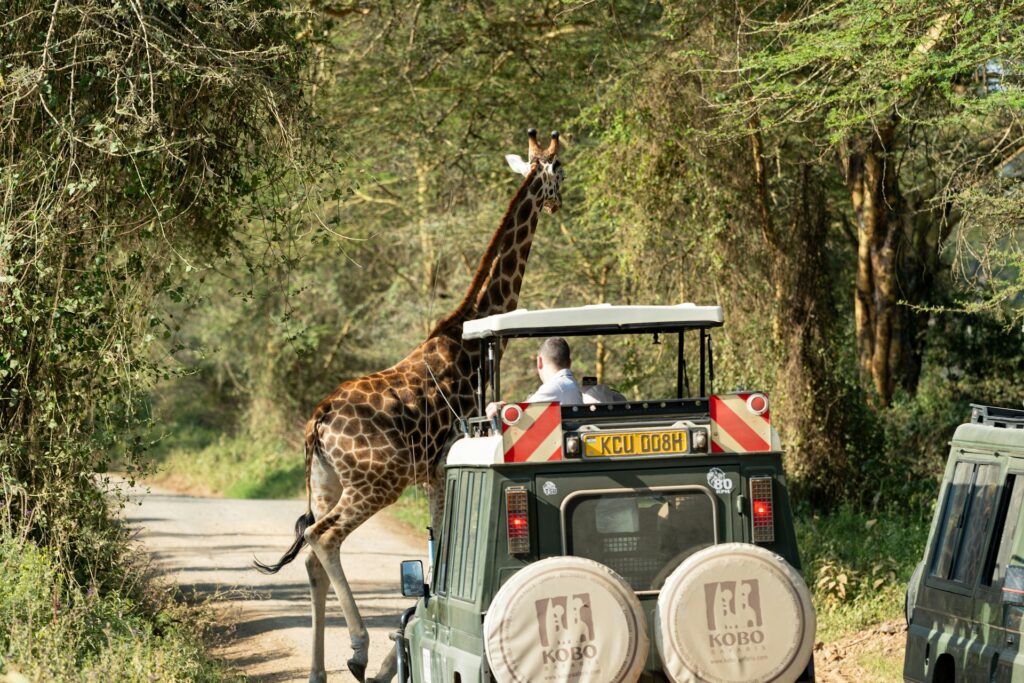
Wild animals are unpredictable, even inside national parks.
Always:
- Follow your guide’s instructions.
- Remain inside the safari vehicle unless instructed otherwise.
- Never feed wild animals.
- Keep a safe distance from wildlife.
- Avoid loud noises that may disturb animals.
Professional safari guides are trained to prioritize guest safety at all times.
Prevent Dehydration
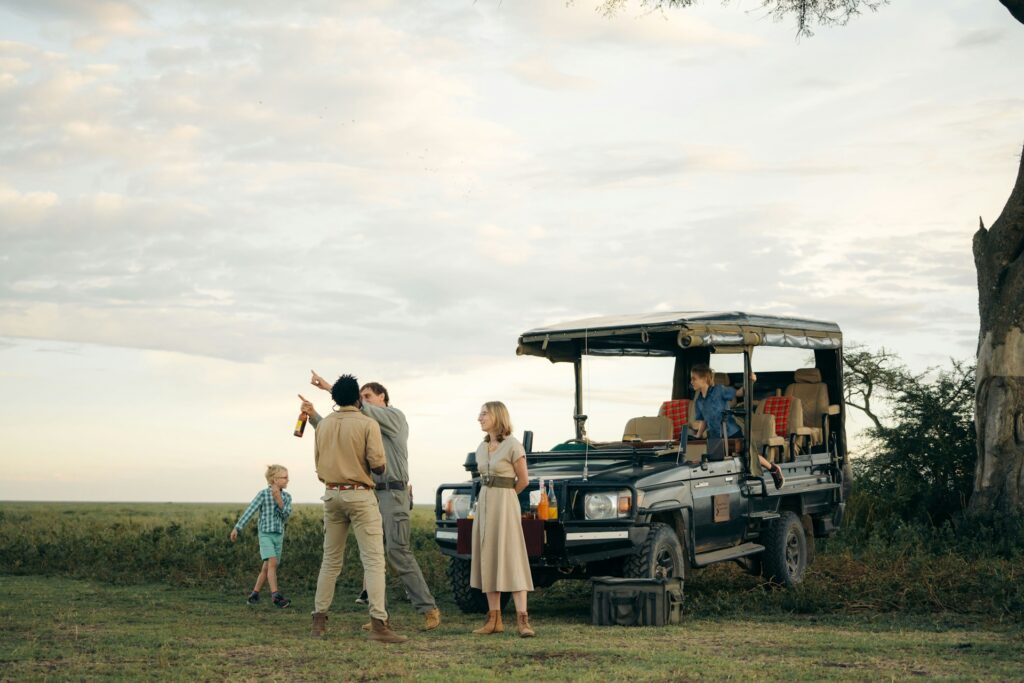
Game drives often last several hours, especially during morning and afternoon safaris.
Prevent dehydration by:
- Carrying enough drinking water.
- Drinking regularly, even if you don’t feel thirsty.
- Limiting excessive alcohol during hot days.
- Wearing lightweight, breathable clothing.
Final health tips for a safe Kenya safari
A little preparation goes a long way toward ensuring a safe and memorable safari in Kenya. By following these Kenya safari health guidelines, you’ll be well prepared to focus on what matters most: enjoying Kenya’s incredible wildlife.