
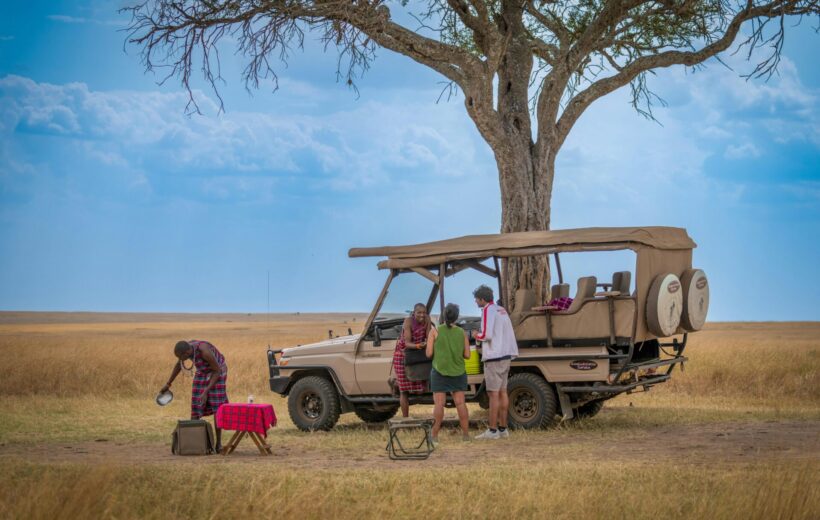


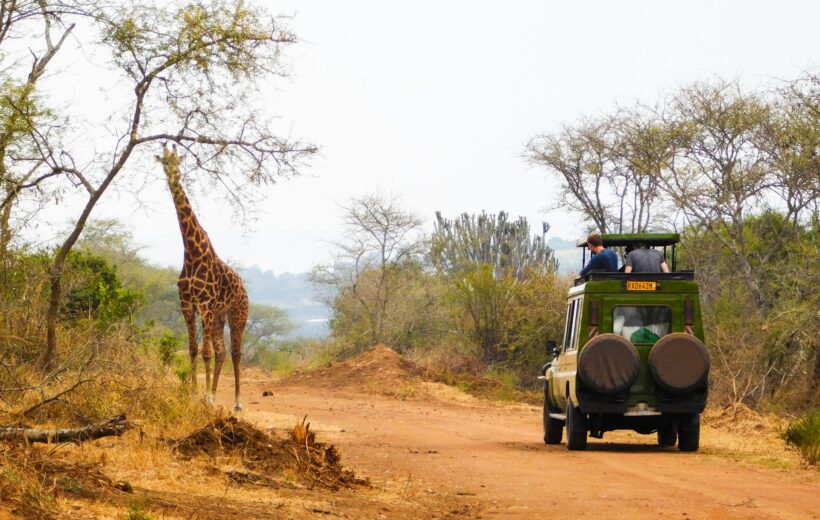
Kenya is among Africa’s leading safari destinations for several reasons. The country combines wildlife viewing with excellent infrastructure, experienced safari guides, luxury accommodations, and remarkable natural beauty.
One of the biggest advantages of choosing a Kenya safari is the diversity of ecosystems. Within a single trip, we can explore open grasslands, dense forests, freshwater lakes, mountains, and semi-arid deserts. Each habitat supports different wildlife species, making every game drive unique.
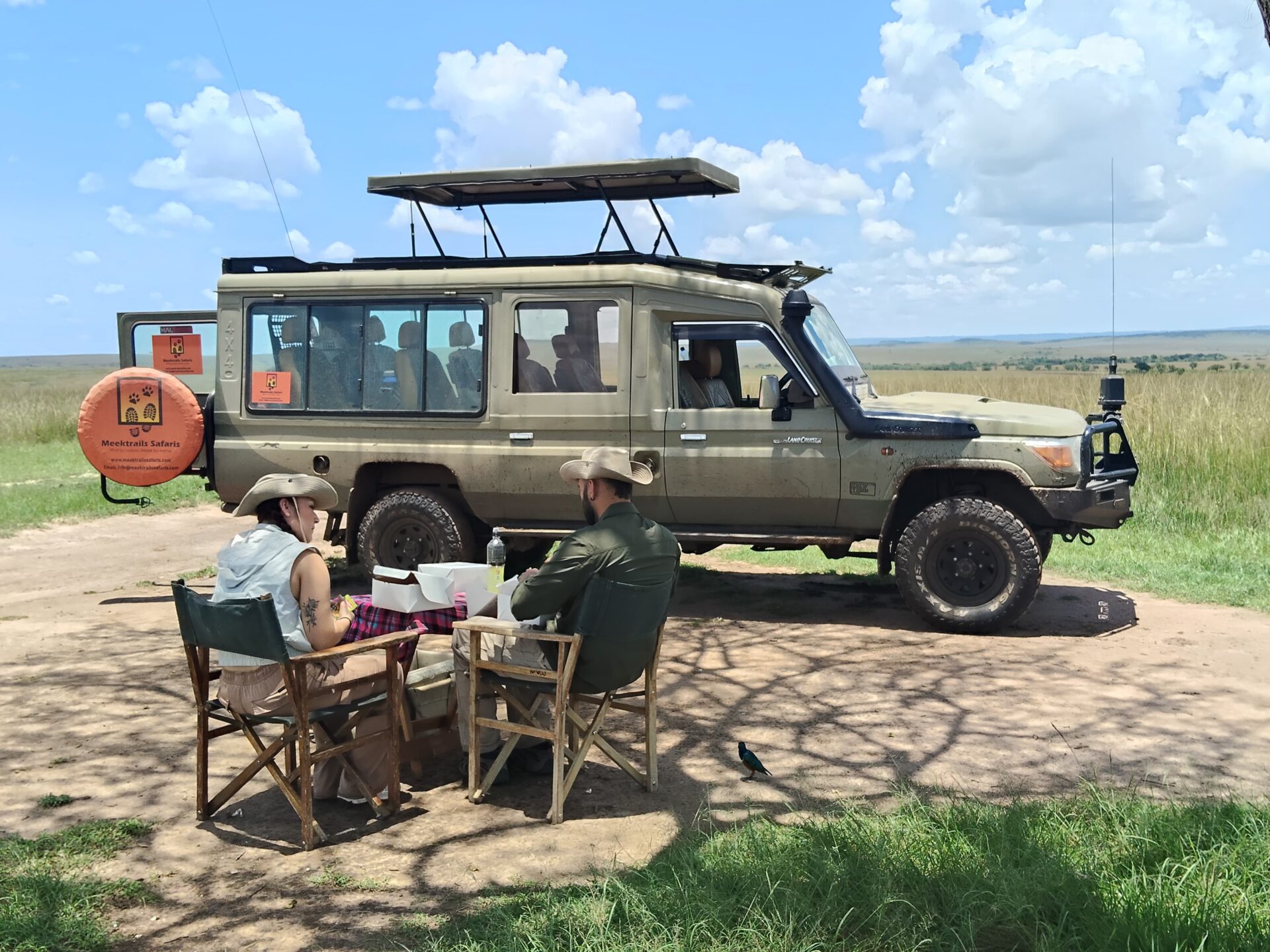
Kenya has national parks and private conservancies that protect endangered species while offering visitors exclusive safari experiences. Many conservancies limit the number of safari vehicles, creating more intimate wildlife encounters.
Another reason travelers choose Kenya is its warm hospitality. Local communities welcome visitors with genuine friendliness, while the rich traditions of the Maasai and Samburu people add a meaningful cultural dimension to every safari.
Best Kenya Safari Destinations
- Maasai Mara National Reserve
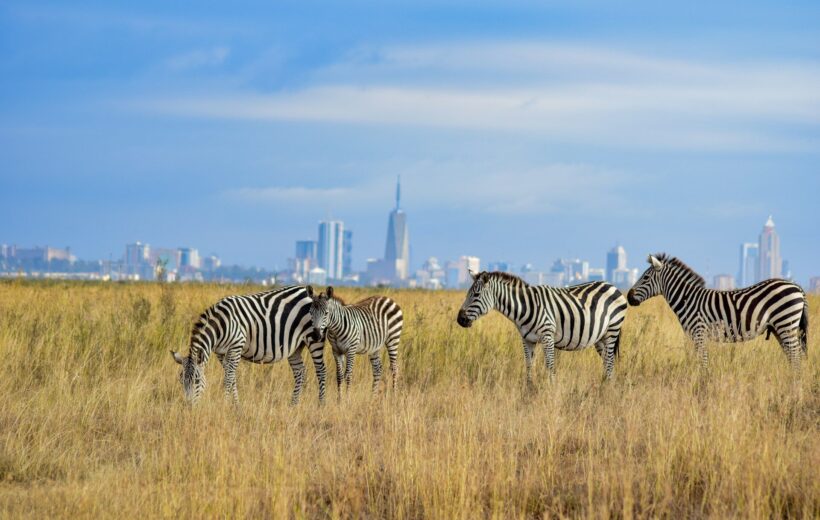
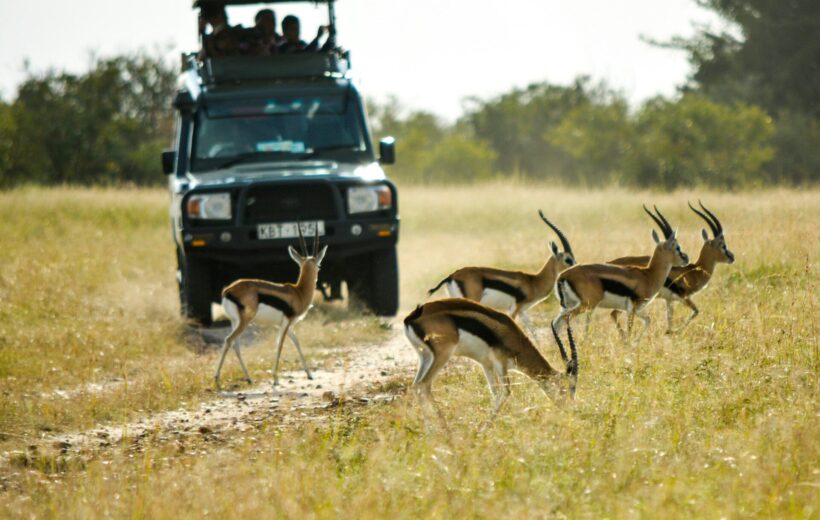
The Maasai Mara National Reserve is Kenya’s most famous safari destination and one of Africa’s finest wildlife reserves. Its plains support lions, elephants, buffaloes, zebras, giraffes, cheetahs, and many antelope species.
The reserve is particularly famous for the Great Wildebeest Migration, when over two million wildebeest, zebras, and gazelles cross from Tanzania into Kenya in search of fresh grazing. Watching dramatic river crossings filled with crocodiles is an unforgettable safari highlight.
- Amboseli National Park
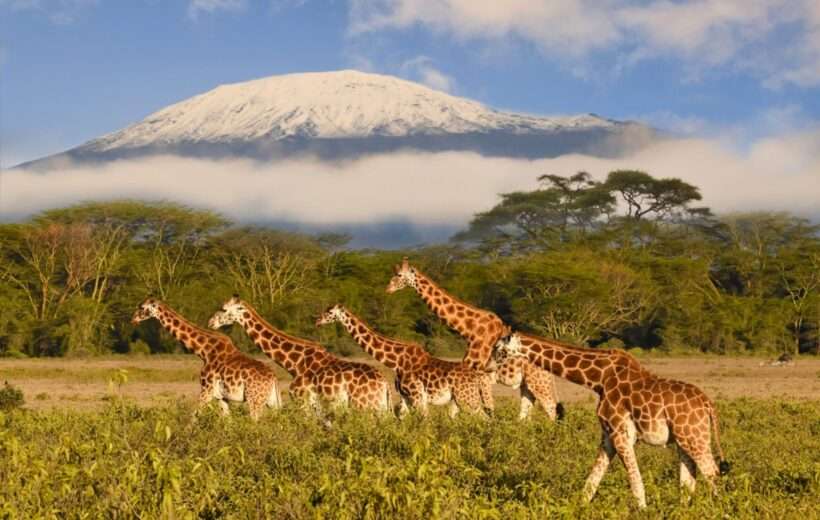
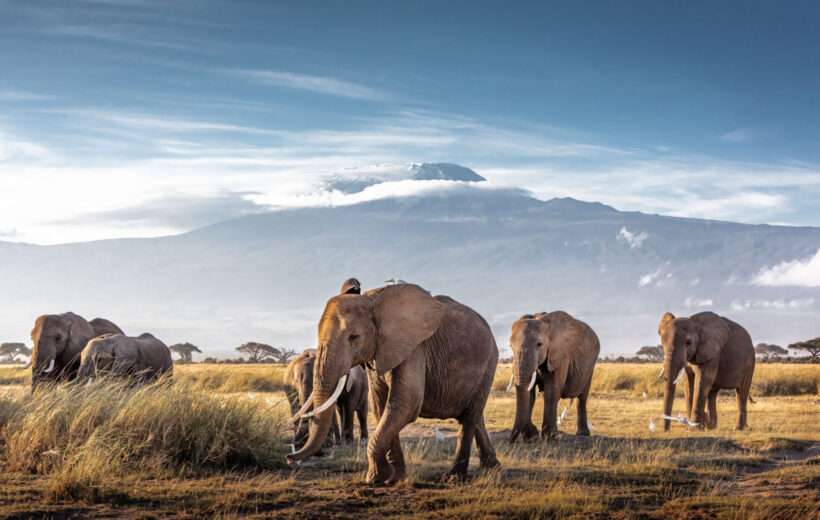
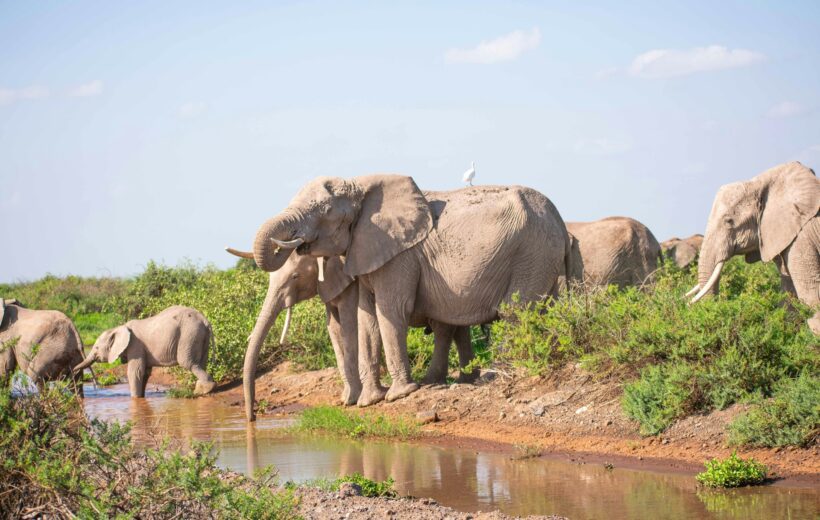
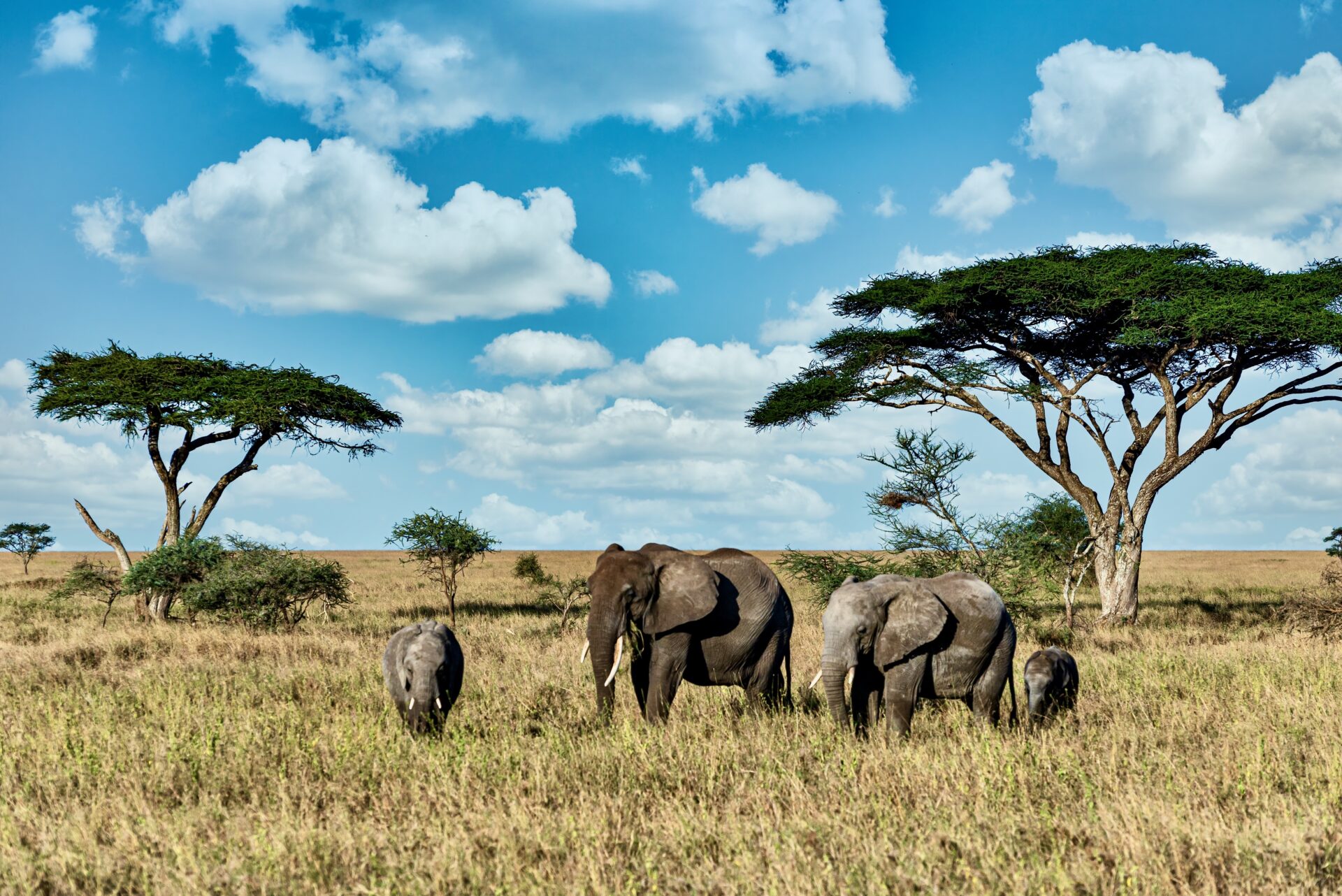
Amboseli National Park offers views of Mount Kilimanjaro, Africa’s tallest mountain. The park is renowned for its large herds of free-roaming elephants, many with impressive tusks.
Photographers particularly love Amboseli because the snow-capped mountain creates a stunning backdrop for wildlife photography.
- Tsavo East and Tsavo West National Parks
Together, Tsavo East and Tsavo West form one of Africa’s largest protected wildlife areas.
Tsavo East is known for its vast open plains, red elephants, and the Galana River. Tsavo West features volcanic landscapes, lava flows, crystal-clear springs, and dense vegetation where leopards, rhinos, and hippos thrive.
These parks provide a quieter safari experience compared to the Maasai Mara while still offering exceptional wildlife viewing.
- Lake Nakuru National Park
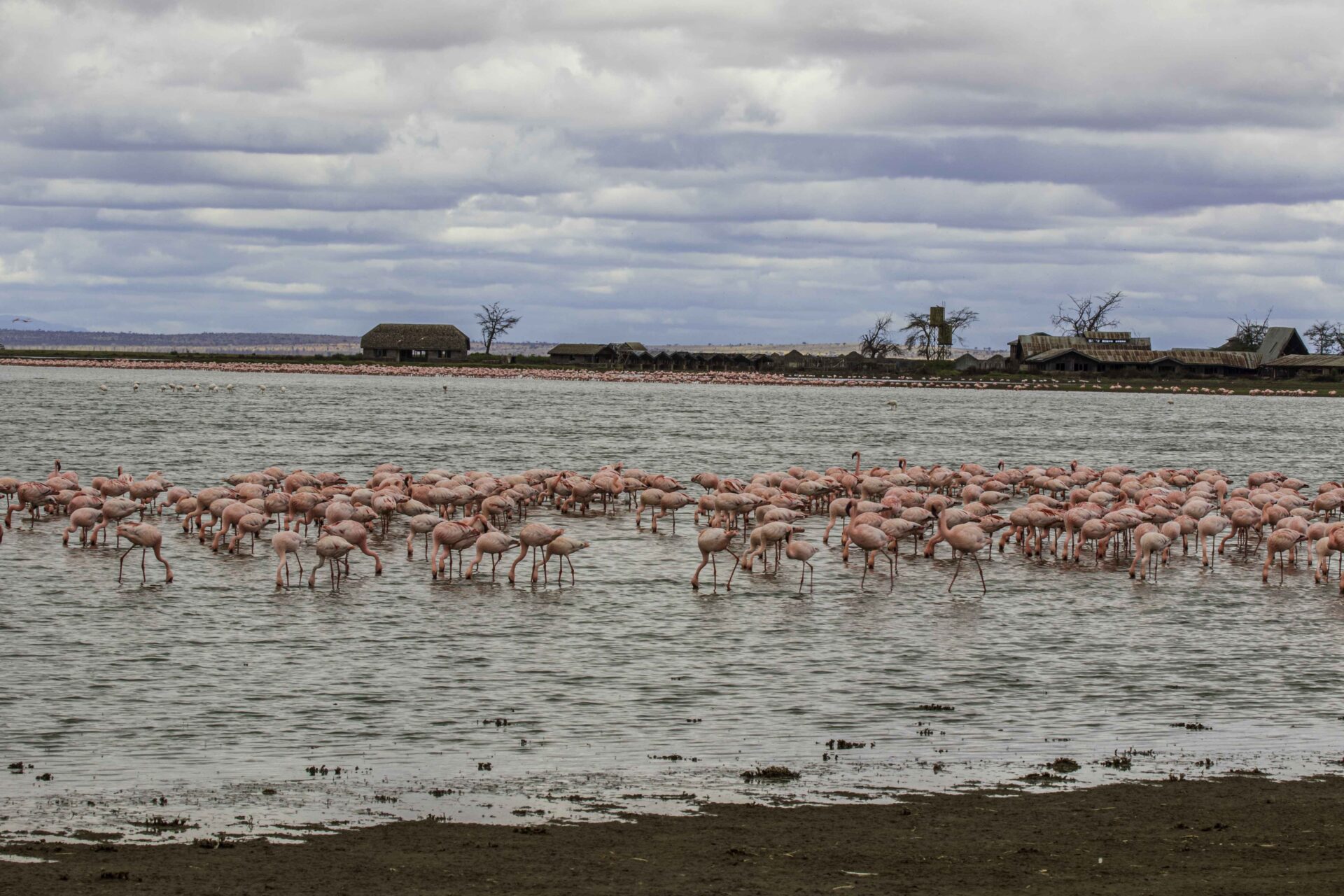
Lake Nakuru National Park is internationally recognized for its rhinos and birdlife. Black and white rhinos are regularly spotted throughout the park, alongside lions, leopards, buffaloes, giraffes, zebras, and hundreds of bird species.
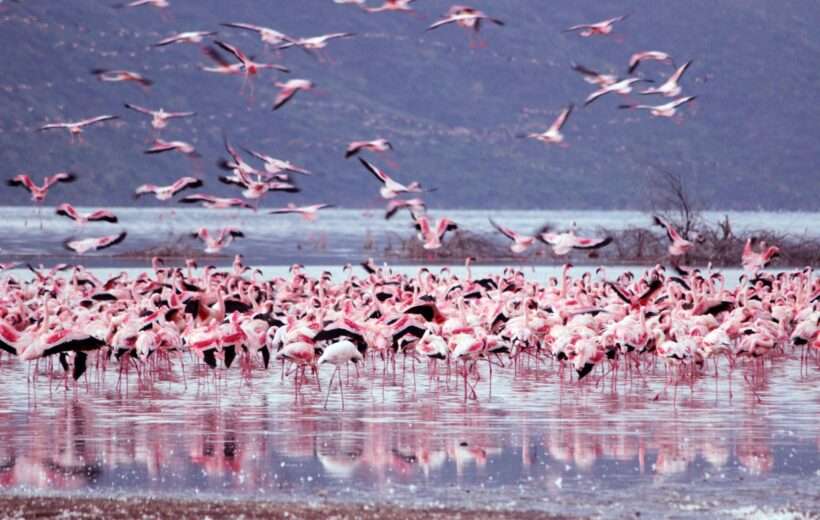
The lake itself often attracts thousands of flamingos depending on water conditions.
- Samburu National Reserve
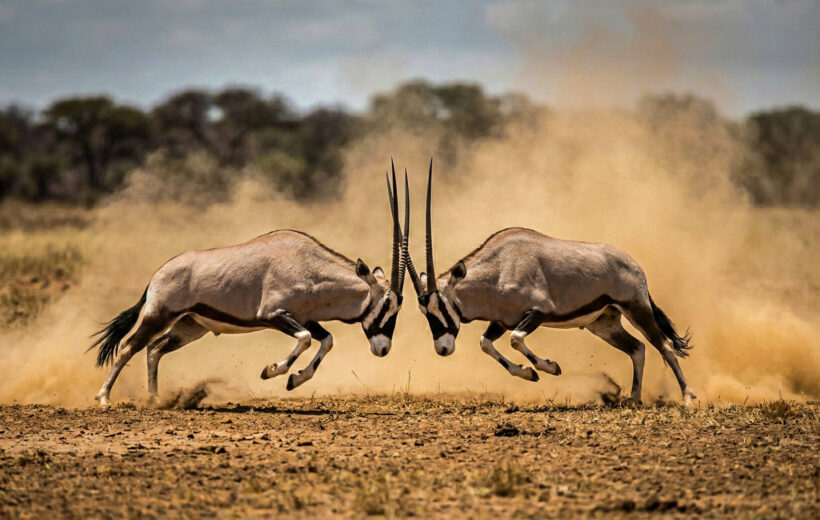
Located in northern Kenya, Samburu National Reserve offers a completely different safari experience. The reserve is home to several rare species found only in northern Kenya, including the Grevy’s zebra, Somali ostrich, reticulated giraffe, gerenuk, and Beisa oryx.
The Ewaso Nyiro River attracts elephants, crocodiles, and numerous predators throughout the year.
Kenya Safari Costs
The cost of a Kenya safari depends on travel season, accommodation standards, transportation, and safari duration.
Budget Safaris
Budget safaris generally range from $150 to $250 per person per day. These packages often include camping or basic lodges, shared safari vehicles, park fees, meals, and guide services.
Mid-Range Safaris
Mid-range safaris typically cost between $250 and $500 per person per day. Travelers enjoy comfortable lodges, excellent meals, professional guides, and well-maintained safari vehicles.
Luxury Safaris
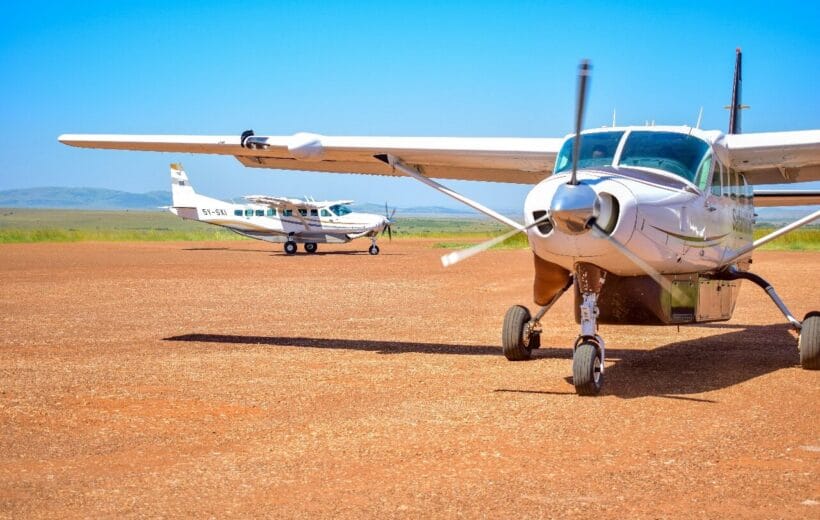
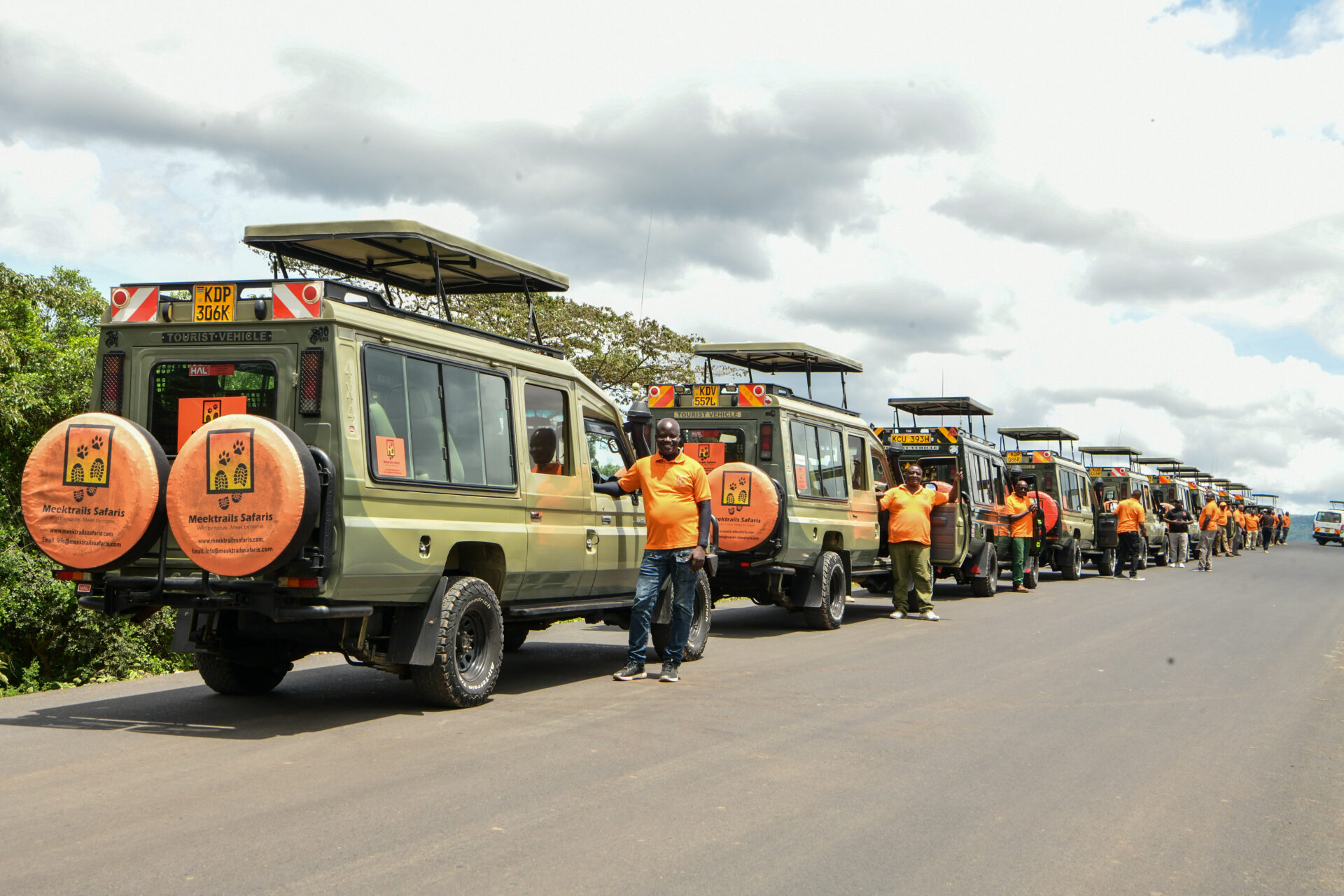
Luxury safaris usually start from $600 per person per day and can exceed $1,500 daily. These include luxury tented camps, exclusive conservancies, private guides, gourmet dining, scenic flights, and personalized safari experiences.
Additional expenses may include international flights, travel insurance, optional activities such as hot air balloon safaris, and gratuities.
The Big Five Animals
One of the main goals of many visitors is spotting the famous Big Five animals. Originally named by hunters because they were the most difficult animals to hunt on foot, today they represent the ultimate wildlife viewing checklist.
1. Lion
Kenya has one of Africa’s healthiest lion populations. Large prides roam the Maasai Mara, Amboseli, Tsavo, and Samburu, making lion sightings frequent during game drives.
2. Elephant
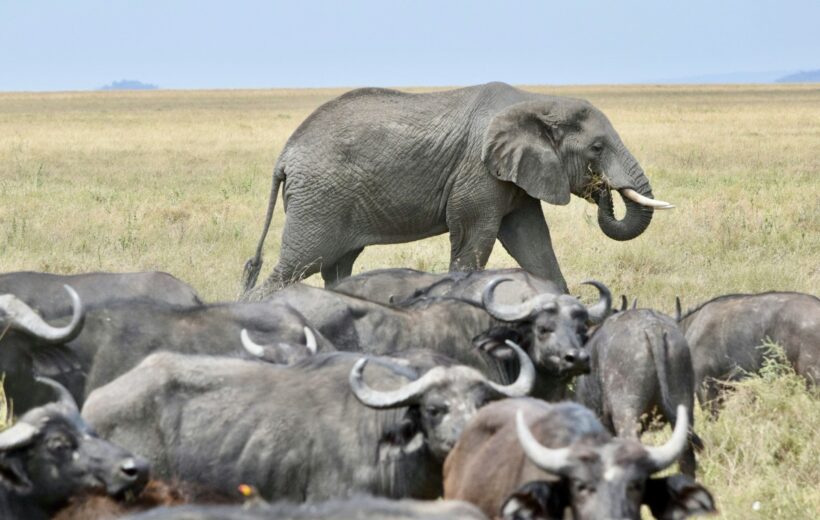
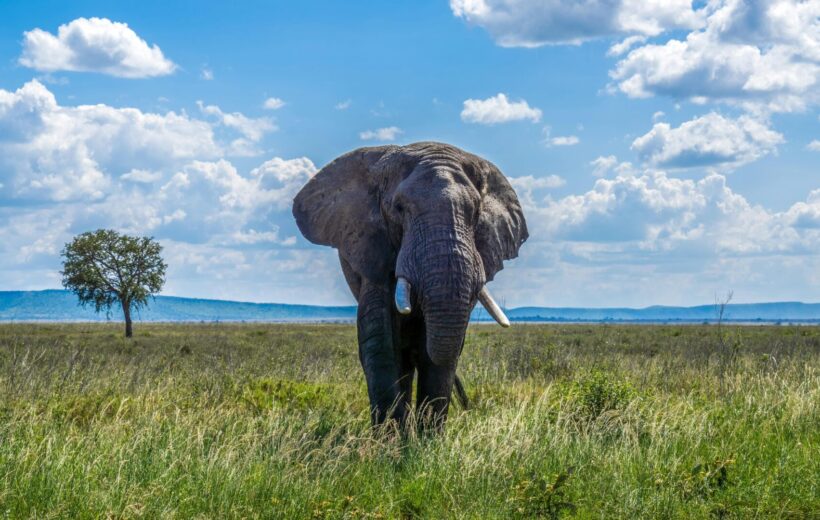
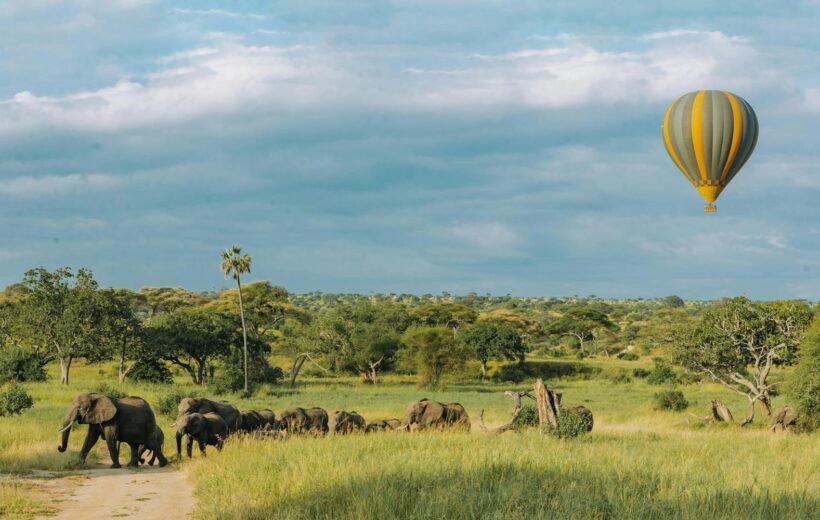
Kenya protects thousands of African elephants, with Amboseli and Tsavo hosting some of the continent’s largest elephant populations.
3. Leopard
Leopards are naturally elusive, but experienced safari guides regularly locate them resting in trees or quietly stalking prey.

4. Buffalo
African buffaloes are widespread across Kenya’s national parks and often gather in herds numbering hundreds of individuals.
5. Rhino
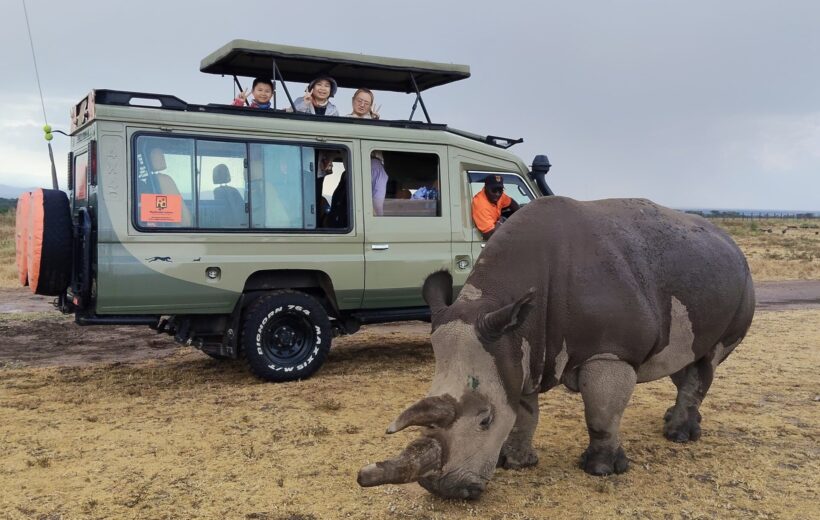
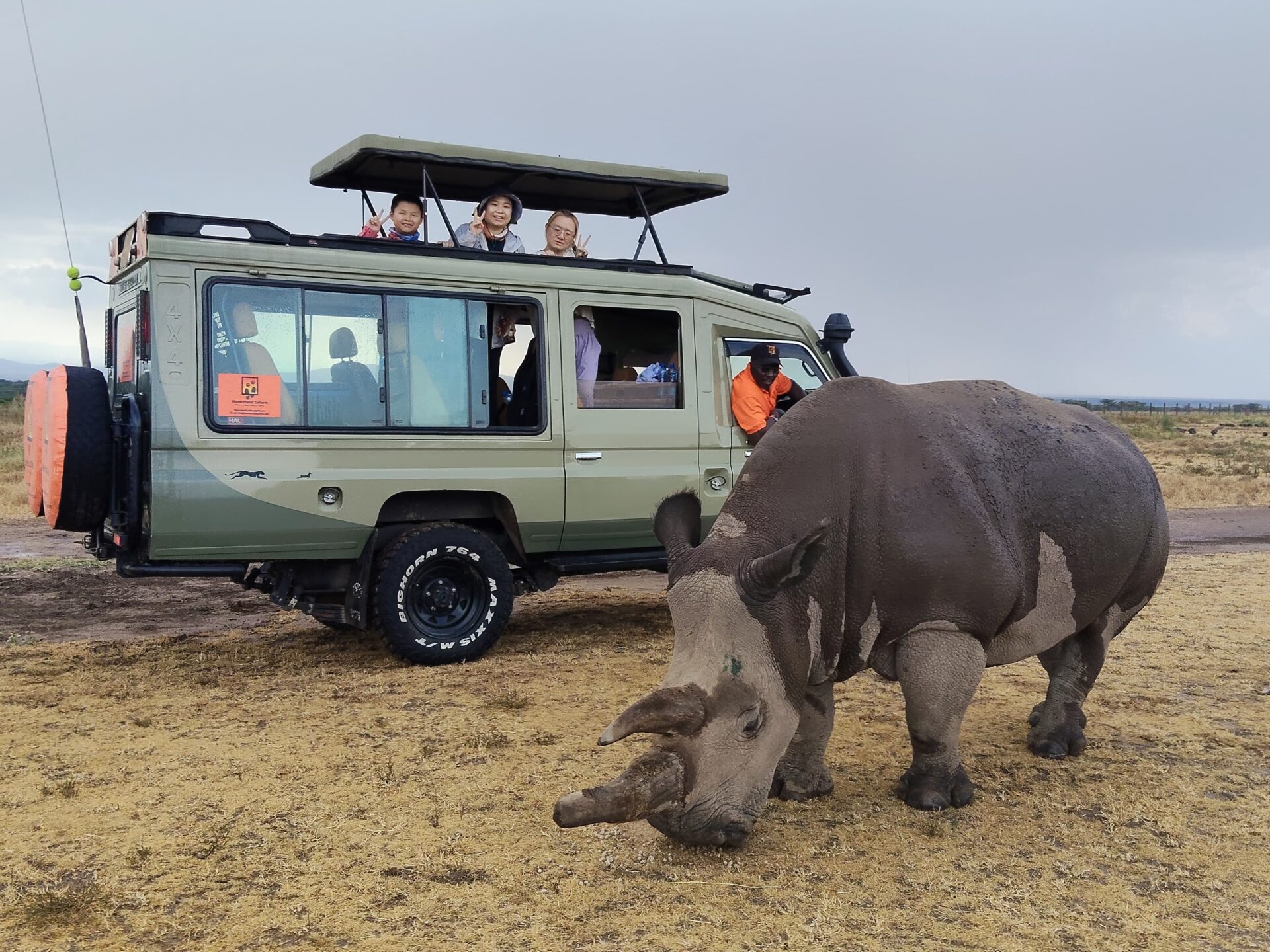
Both black and white rhinos can be seen in Kenya, particularly at Lake Nakuru National Park, Ol Pejeta Conservancy, and Nairobi National Park.
The Great Wildebeest Migration
The Great Wildebeest Migration is one of Earth’s most spectacular wildlife events.
Every year, approximately 1.5 million wildebeest, accompanied by hundreds of thousands of zebras and gazelles, migrate between Tanzania’s Serengeti and Kenya’s Maasai Mara following seasonal rainfall and fresh grass.
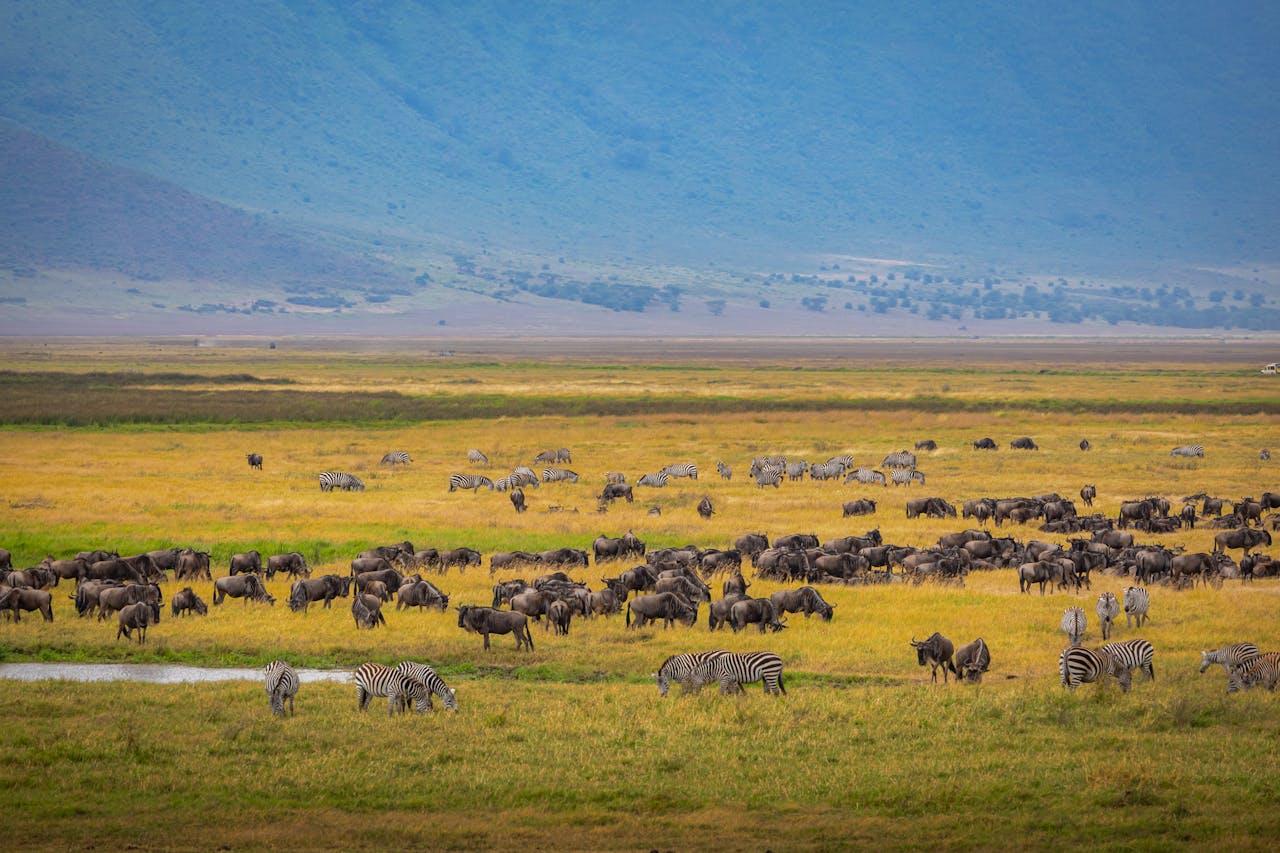
The migration usually reaches the Maasai Mara between July and October, when dramatic river crossings occur at the Mara River. Huge Nile crocodiles wait beneath the surface while lions, cheetahs, hyenas, and leopards hunt exhausted animals crossing the river.
This remarkable natural event has been recognized as one of the Seven Natural Wonders of Africa and attracts wildlife enthusiasts from around the globe.
Frequently Asked Questions
1. Is Kenya safe for tourists?
Yes. Kenya is generally safe for tourists, especially within established safari parks and major tourist destinations. Visitors should always travel with licensed tour operators, follow local advice, avoid isolated areas at night, and keep valuables secure.
2. When is the best time to visit Kenya?
Kenya has excellent wildlife viewing throughout the year. However, the best months are generally June through October, when the weather is dry and wildlife gathers around water sources. Travelers hoping to witness the Great Wildebeest Migration should visit between July and October.
3. Does Kenya have beautiful beaches?
Absolutely. Kenya’s coastline along the Indian Ocean features some of Africa’s most beautiful beaches, including Diani Beach, Watamu, Nyali, Bamburi, Tiwi, Malindi, and Shanzu. Many travelers combine a thrilling safari with a relaxing beach holiday.
4. Is Kenya visa-free?
Kenya no longer requires traditional tourist visas for most visitors. Instead, travelers generally need to obtain an Electronic Travel Authorization (eTA) before arrival. Requirements vary by nationality, so travelers should always check the latest government regulations before departure.
5. What vaccines do I need to travel to Kenya?
Routine vaccinations should be up to date before traveling. Common recommendations include Hepatitis A, Typhoid, Tetanus, and routine childhood vaccinations. Depending on travel plans, a Yellow Fever vaccination certificate may be required, particularly if arriving from countries with a risk of yellow fever transmission. You should also consult a travel health clinic regarding malaria prevention.