
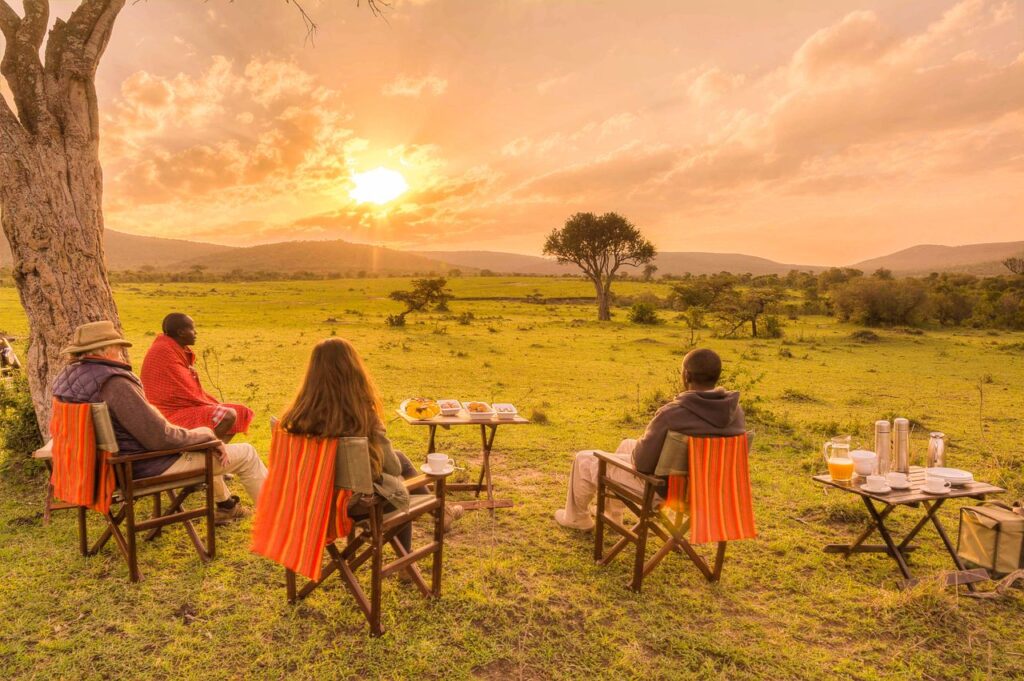
Planning a Kenya safari is exciting. Although the country lies along the equator, temperatures vary depending on altitude and location. Popular safari destinations such as Maasai Mara, Amboseli, Samburu, Tsavo, and Lake Nakuru experience warm afternoons but surprisingly cool mornings and evenings. Game drives often begin before sunrise when temperatures can fall below 10°C in some regions, making warm clothing an essential part of your luggage. Following this complete Kenya safari packing list helps you stay comfortable, organized, and ready for every wildlife encounter.
Essential Clothing for a Kenya Safari
Choosing the right clothing helps you stay comfortable throughout your safari while blending naturally into the environment. Temperatures in Kenya often vary significantly between early mornings, afternoons, and evenings, making layering the smartest approach.
1. Neutral-Colored Shirts
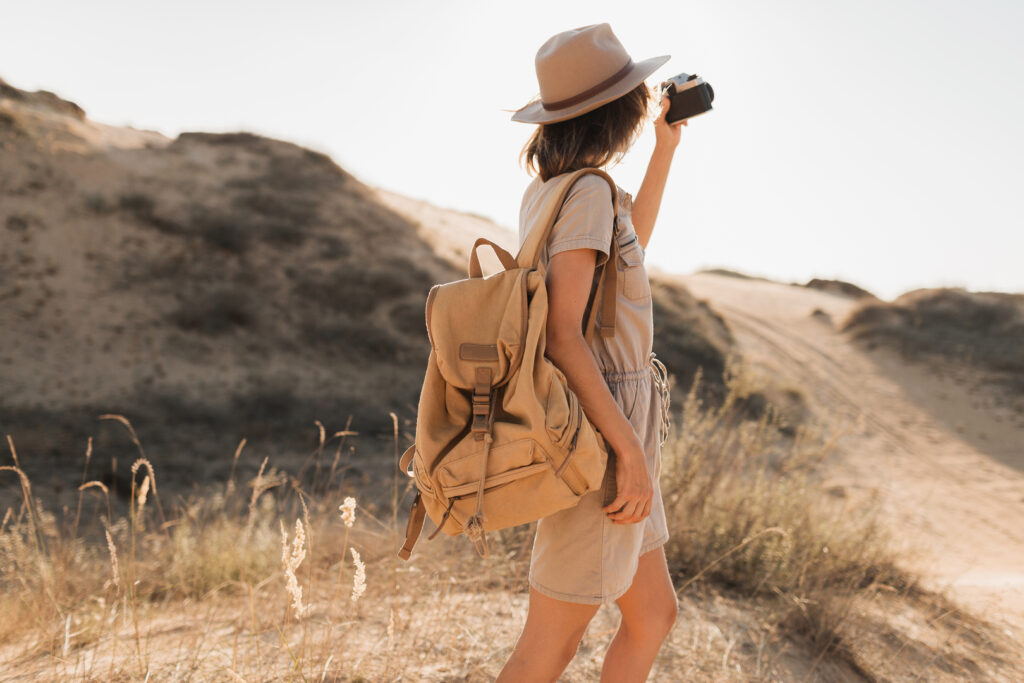
Pack several lightweight neutral-colored shirts in shades such as khaki, olive green, beige, brown, and light grey.
These colors are ideal because they blend with the natural surroundings and are less likely to attract insects than bright colors. Avoid white, which gets dusty quickly, and dark blue or black, which can attract tsetse flies in some safari regions.
Long-sleeved shirts provide extra protection from strong sunlight, mosquito bites, thorny vegetation, and cool morning temperatures. Breathable fabrics like cotton blends or moisture-wicking materials help regulate body temperature throughout the day.
2. Comfortable Safari Pants
Comfortable trousers are essential for game drives, walking safaris, and travel between parks.
Choose pants that are:
- Lightweight
- Breathable
- Quick drying
- Durable
- Stretchable for comfort
Convertible zip-off trousers are especially practical because they transform into shorts during warmer afternoons.
Avoid jeans whenever possible. Neutral-colored hiking or outdoor travel pants remain the best option.
3. Warm Jacket or Fleece
Although Kenya is located near the equator, safari mornings can be surprisingly cold.
Game drives often begin around sunrise when temperatures may fall below 10°C in destinations such as Maasai Mara and Amboseli. A warm fleece jacket or lightweight insulated jacket keeps you comfortable during early departures.
You can always remove a warm jacket as temperatures rise later in the day.
4. Comfortable Walking Shoes
Quality footwear is one of the most important items on any Kenya safari packing list.
Choose shoes that provide:
- Excellent grip
- Good ankle support
- Breathability
- Comfort for extended walking
If your itinerary includes nature walks or hiking in parks such as Hell’s Gate National Park, proper footwear becomes even more important.
Avoid brand-new shoes. Wear them several times before your trip to prevent blisters.
5. Socks and Undergarments
Never underestimate comfortable socks.
Pack enough pairs for every day of your safari, plus a few extras.
Moisture-wicking socks help prevent blisters, reduce sweating, and improve comfort during long excursions.
Quick-drying underwear is equally useful, especially if your safari lasts several days and laundry services are limited.
Essential Electronics for a Kenya Safari
Modern technology makes safaris more enjoyable. It allows you to capture memories while staying connected throughout your journey.
1. Smartphone
Your smartphone is one of the most versatile travel tools.
Besides taking photographs, it can be used for:
- GPS navigation
- Digital boarding passes
- Safari itinerary access
- Emergency communication
- Mobile banking
- Wildlife identification apps
Before departure:
- Download offline Google Maps.
- Save hotel confirmations.
- Store digital copies of passports and travel insurance.
- Install offline translation apps if needed.
Carry a protective case to shield your phone from dust and accidental drops.
2. Power Bank
Electricity is not always available during extended game drives or while staying in remote safari camps.
A high-capacity power bank ensures your devices remain charged throughout the day.
A capacity between 20,000 mAh and 30,000 mAh is ideal for charging:
- Smartphones
- Wireless earbuds
- Smartwatches
- Small cameras
Choose a power bank with fast charging capability to reduce charging time whenever electricity is available.
Health and Personal Care Essentials
Maintaining your health during your safari ensures you fully enjoy every wildlife experience.
1. Sunscreen
The African sun can be intense, even during cooler months.
Apply a broad-spectrum sunscreen with SPF 30 or higher before every game drive.
Remember to protect:
- Face
- Neck
- Arms
- Hands
- Ears
Reapply sunscreen every few hours, especially after sweating.
A lip balm with SPF protection is also highly recommended.
2. Insect Repellent
Mosquitoes are common in many safari destinations, particularly around lakes, rivers, and during evening hours.
Carry an effective insect repellent and apply it before:
- Evening dinners
- Walking safaris
- Outdoor activities after sunset
Long sleeves and long trousers provide additional protection during dusk.
Keeping mosquitoes away reduces discomfort and helps protect against mosquito-borne illnesses.
3. Personal Medications
Bring enough medication for your entire trip, plus extra in case of unexpected travel delays.
Pack medications in their original packaging.
Useful health items include:
- Prescription medications
- Pain relievers
- Allergy medication
- Motion sickness tablets
- Anti-diarrheal medicine
- Antiseptic cream
- Adhesive bandages
A small personal first-aid kit provides additional peace of mind when traveling through remote national parks.
Additional Safari Packing Tips
Although clothing, electronics, and health essentials form the foundation of every Kenya safari packing list, a few extra items can significantly improve your experience.
Useful accessories include:
- Wide-brim safari hat
- Polarized sunglasses
- Reusable water bottle
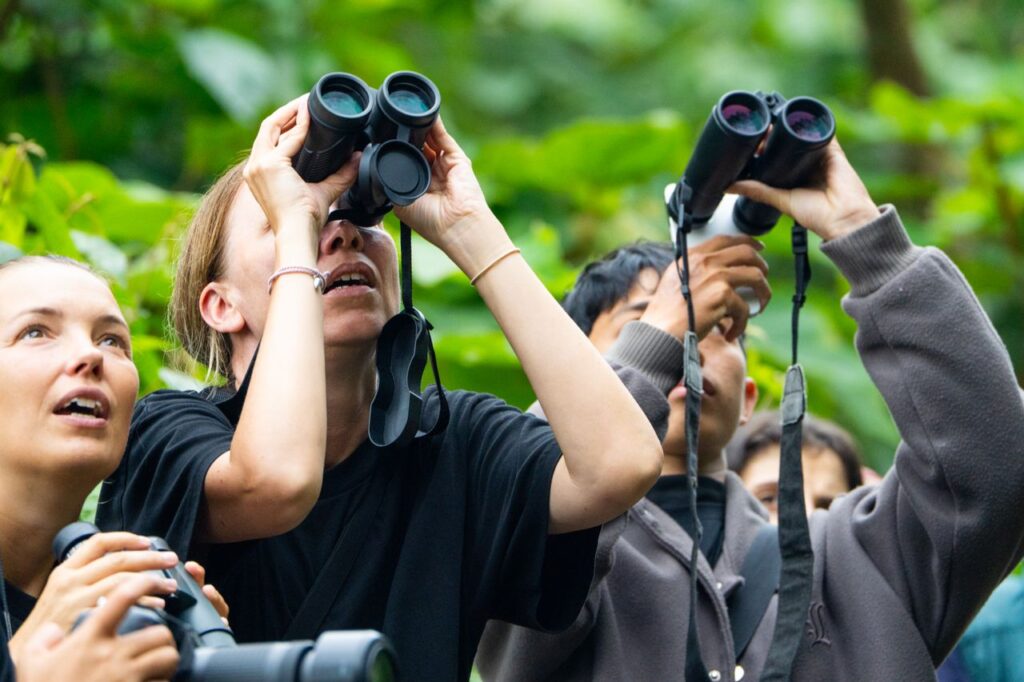
- Binoculars
- Lightweight backpack
- Rain jacket
- Travel documents folder
- Travel insurance copies
- Hand sanitizer
- Wet wipes
- Small flashlight or headlamp
- Camera cleaning cloth
These simple additions help you stay organized, comfortable, and prepared throughout your adventure.
Final Thoughts
A successful safari begins long before you arrive in Kenya. It starts with packing wisely. Having the right essentials ensures a smooth and memorable journey through Kenya’s national parks and reserves.
Frequently Asked Questions About a Kenya Safari Packing List
How much luggage can I bring on a Kenya safari?
Most domestic safari flights allow 15 kg (33 lbs) of luggage, including carry-on bags. Soft-sided duffel bags are strongly recommended.
Can I wear black clothes on safari?
Black clothing attracts heat and can also attract tsetse flies in some regions. Neutral colors such as khaki, olive, beige, and grey are better choices.
Do I need hiking boots?
For standard game drives, comfortable walking shoes are sufficient. Hiking boots are recommended only if your itinerary includes walking safaris or mountain trekking.
Should I bring cash?
Yes. Carry small denominations of Kenyan Shillings and some US Dollars for tips, souvenirs, and small purchases.
Is laundry available during safari?
Remove some items from your Kenya safari packing list, as many mid-range and luxury lodges in Kenya offer laundry services. This allows travelers to pack fewer clothes.