Serengeti National Park is one of the most celebrated wildlife conservation areas on Earth. Located in northern Tanzania, this vast protected ecosystem covers approximately 14,750 square kilometers of pristine savannah, grasslands, acacia woodlands, and riverine forests. We recognize the Serengeti not only as a national park but as a living symbol of Africa’s raw wilderness. This is where nature unfolds without boundaries or artificial interference.
The World’s Greatest Wildlife Movement
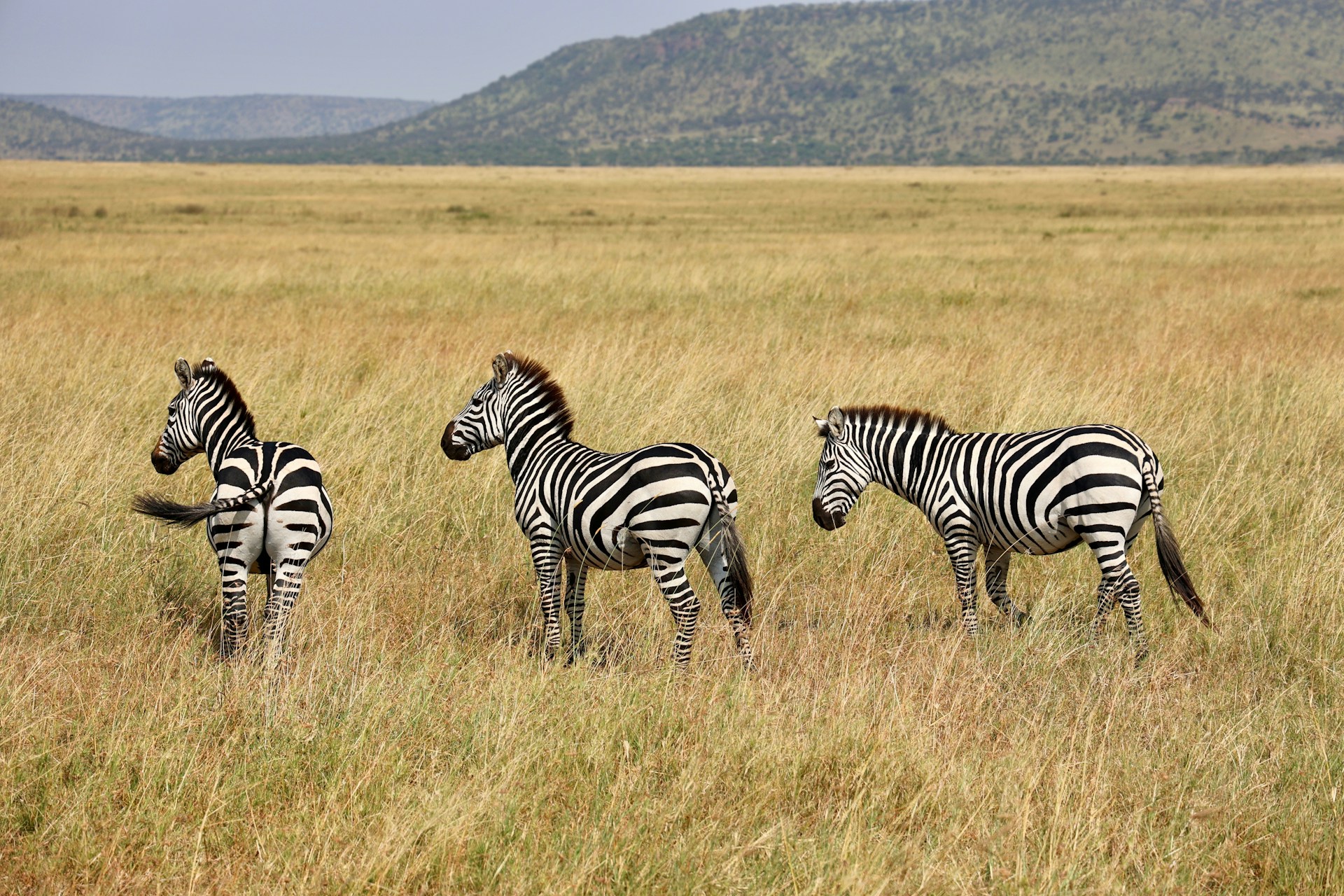
The Great Migration is the defining phenomenon of Serengeti National Park and one of the most extraordinary natural events on the planet. Each year, over 1.5 million wildebeest, accompanied by hundreds of thousands of zebras and gazelles, traverse the Serengeti ecosystem in search of fresh grazing and water.
This cyclical migration follows seasonal rainfall patterns, creating a continuous loop between the Serengeti and Kenya’s Maasai Mara. The spectacle includes dramatic river crossings at the Grumeti and Mara Rivers, where crocodile-infested waters test survival instincts and resilience.
Best Time to Witness the Migration
- January to March: Calving season in the southern Serengeti plains
- April to June: Movement toward the western corridor
- July to September: Iconic Mara River crossings
- October to December: Return southward across the Serengeti
Each phase offers distinct wildlife encounters, making Serengeti National Park a year-round safari destination.
Unrivaled Wildlife Diversity
The Big Five and Other Animals
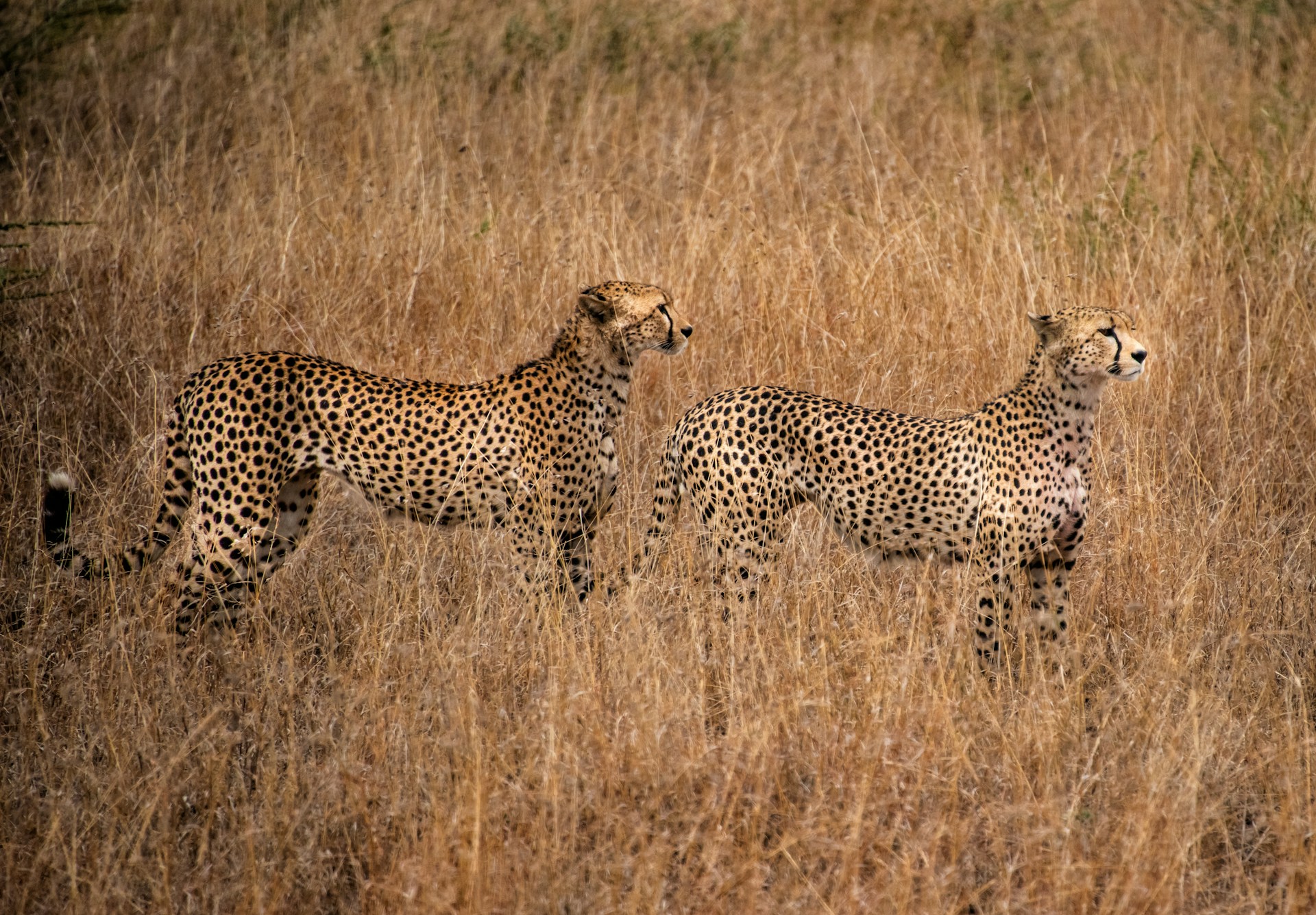
Serengeti National Park is home to the Big Five—lion, leopard, elephant, buffalo, and rhinoceros—alongside over 70 large mammal species and more than 500 bird species. The park has one of the highest concentrations of predators in Africa, particularly lions, cheetahs, and spotted hyenas.
We encounter massive elephant herds roaming woodland edges, elusive leopards draped across tree branches, and powerful prides of lions dominating open plains. The Serengeti’s predator-prey dynamics remain among the most intact on the continent.
Avian Richness
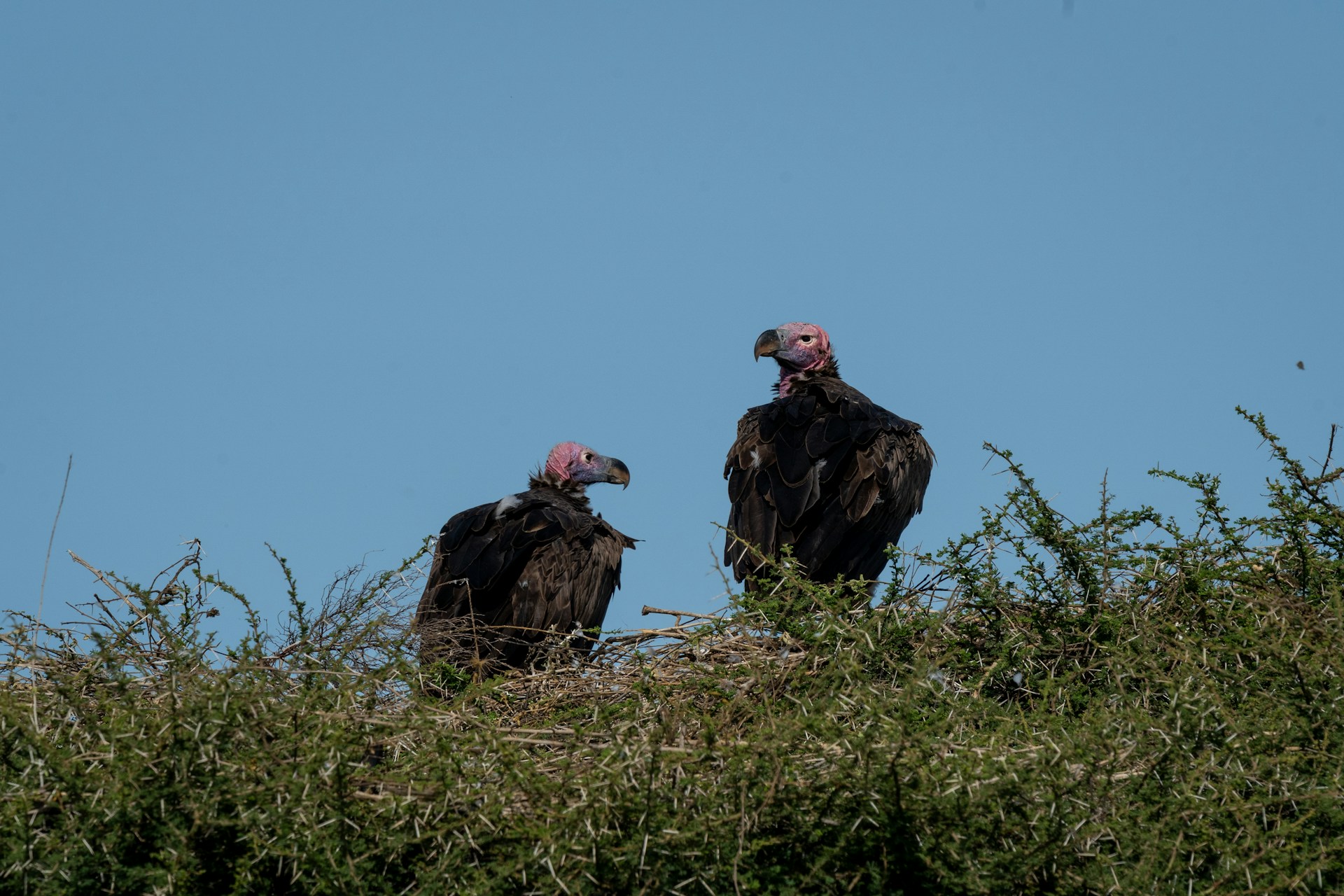
Birdlife in Serengeti is equally remarkable. Lilac-breasted rollers, secretary birds, vultures, and kori bustards make this park a paradise for birdwatchers. Migratory species further enrich the ecosystem during seasonal transitions.
Distinct Regions of Serengeti National Park
Central Serengeti (Seronera Valley)
The Seronera Valley forms the wildlife-rich core of Serengeti National Park. Permanent water sources attract animals year-round, making it one of the most reliable areas for game viewing. This region is particularly renowned for its high predator density and exceptional photographic opportunities.
Southern Serengeti Plains
Known for vast open grasslands, the southern Serengeti becomes the focal point during the calving season. Thousands of newborn wildebeest attract predators, resulting in intense wildlife interactions and special viewing experiences.
Western Corridor
Characterized by riverine forests and the Grumeti River, the western corridor is home to dramatic migration crossings and large Nile crocodiles. This less-visited region offers a more secluded safari atmosphere.
Northern Serengeti
Remote and rugged, the northern Serengeti provides access to the Mara River crossings and uncrowded wildlife encounters. The area is ideal for travelers seeking exclusivity and authenticity.
Safari Experiences in Serengeti National Park
Game Drives
Classic 4×4 game drives remain the primary way to explore Serengeti National Park. Morning and afternoon drives reveal different wildlife behaviors, from active predators at dawn to relaxed herbivores at sunset.
Hot Air Balloon Safaris
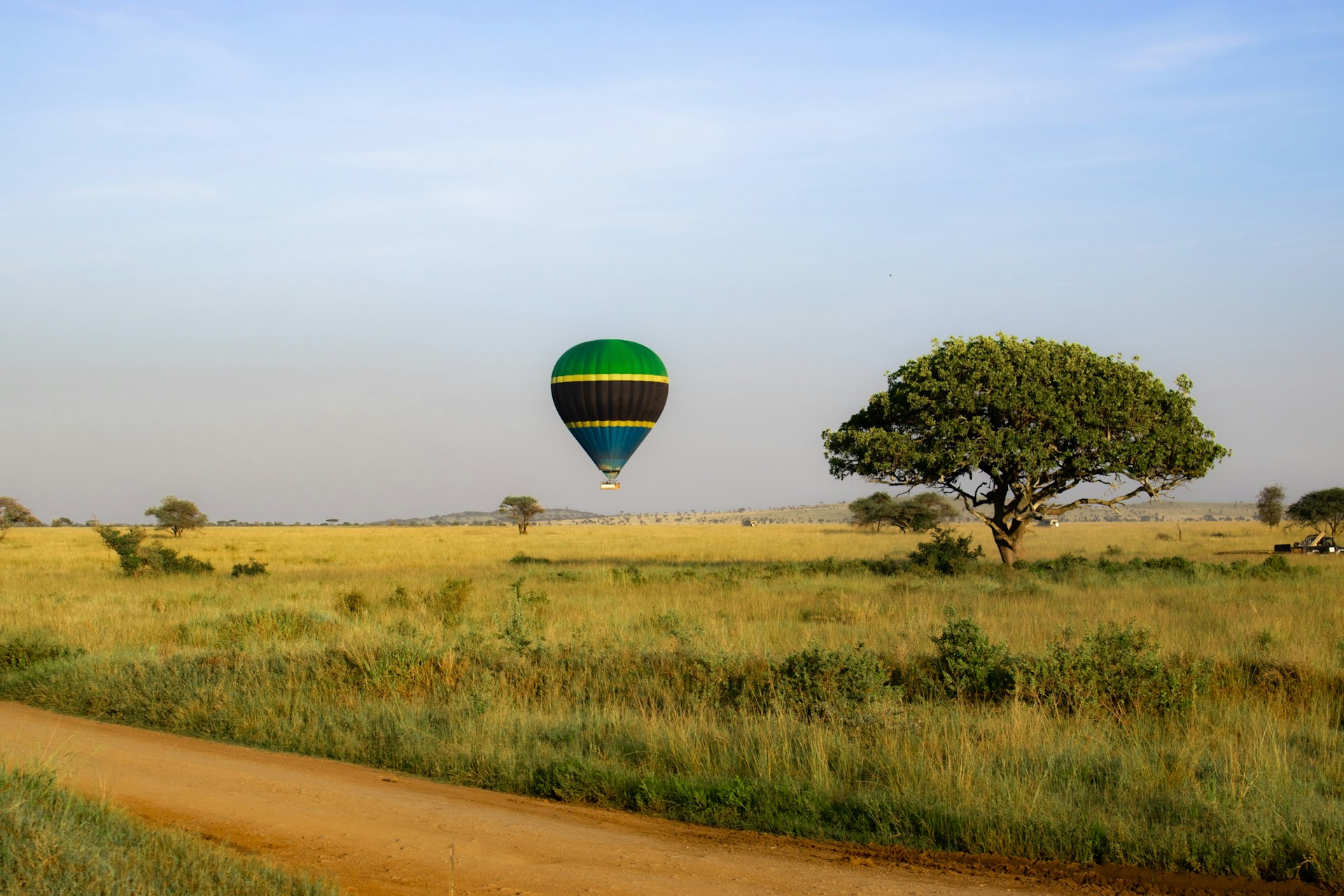
A hot air balloon safari delivers a breathtaking aerial perspective of the Serengeti plains. Floating silently above herds at sunrise offers a unique appreciation of the park’s immense scale and natural harmony.
Walking Safaris and Cultural Encounters
Selected areas surrounding the park allow guided walking safaris and interactions with local Maasai communities, providing cultural depth and insight into traditional land stewardship.
Meektrails Safaris has Kenya and Tanzania tours that can take you to this wildlife destination.
Conservation and World Heritage Status
Serengeti National Park holds UNESCO World Heritage Site status due to its outstanding ecological value. Conservation efforts focus on habitat protection, anti-poaching initiatives, and sustainable tourism practices that preserve biodiversity for future generations.
We acknowledge the Serengeti as a benchmark for wildlife conservation, where natural processes continue largely undisturbed. It serves as a global reference for ecosystem management.
Best Time to Visit Serengeti National Park
Serengeti remains accessible throughout the year, with seasonal variations enhancing different aspects of the safari experience:
- Dry Season (June–October): Excellent visibility, predator activity, river crossings
- Green Season (November–May): Lush landscapes, calving season, fewer crowds, vibrant birdlife
Choosing the best time depends on specific wildlife interests and travel preferences.
Magical Serengeti
Serengeti National Park represents the pinnacle of safari destinations worldwide. Its legendary Great Migration, diverse wildlife, distinct regions, and commitment to conservation position it as an essential destination for travelers seeking genuine, high-impact wildlife experiences. From first-time visitors to seasoned safari enthusiasts, the Serengeti continues to inspire awe through its landscapes and natural rhythms.

Gallery

Explore Tours


Tarangire National Park | Lake Manyara NP | Ngorongoro Conservation Area | Serengeti National Park
10 days
0
/5
$2650
More Information