
When we think of an African safari, the Big Five (lion, elephant, leopard, rhino, and buffalo) often take center stage. However, we uncover a more intricate and equally fascinating side of the wild through the little 5 animals. These tiny yet remarkable creatures mirror their larger counterparts in name and, intriguingly, in character. Observing them requires patience, keen eyes, and an appreciation for the subtle wonders of nature.
1. Antlion
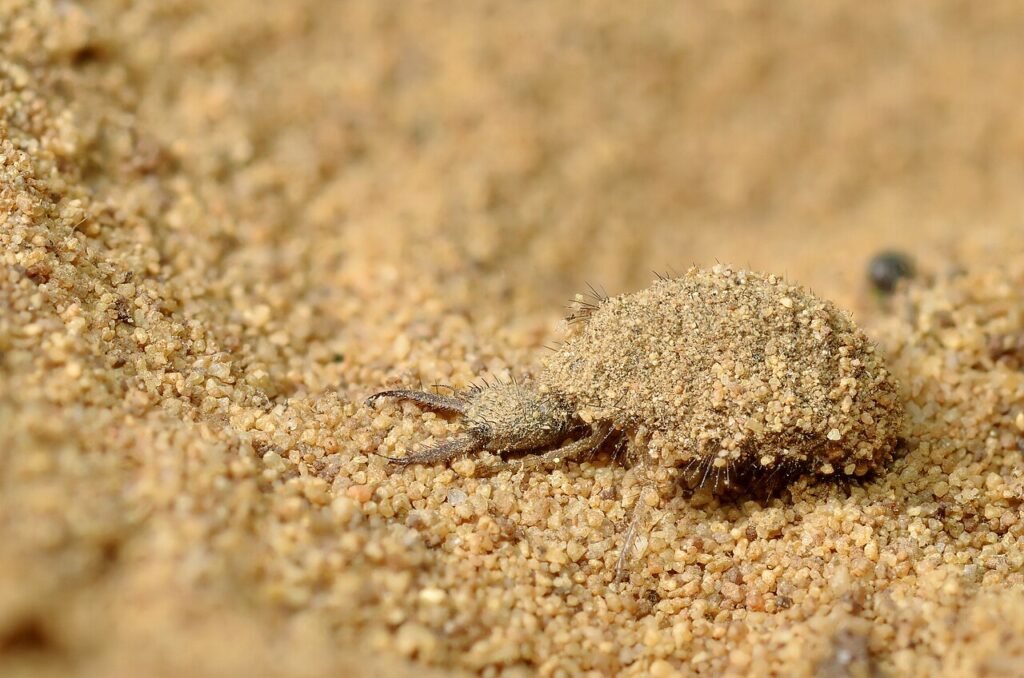
The antlion is a master of ambush. Its larval stage is where the magic happens. The small animal digs cone-shaped pits in sandy soil to trap unsuspecting ants and insects. Once prey slips into the pit, the antlion uses powerful jaws to seize it instantly. We find antlions in dry, sandy regions, particularly in savannahs and deserts. Their ability to remain hidden beneath the sand makes them one of the most elusive yet fascinating creatures.
2. Elephant Shrew
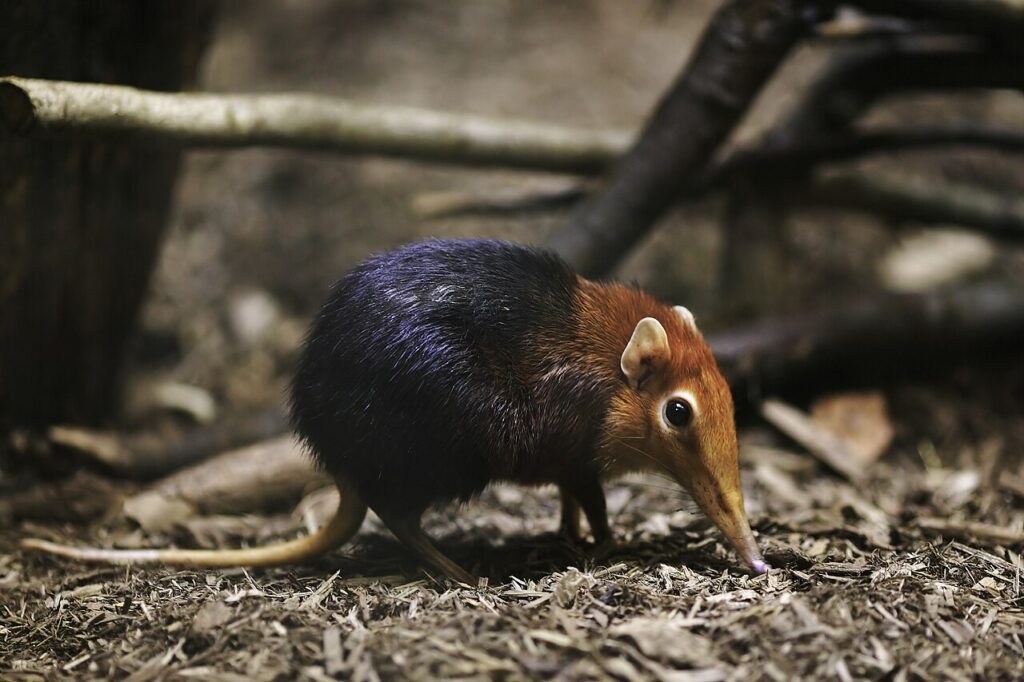
The elephant shrew, also known as a sengi, is named for its long, trunk-like nose, resembling that of an elephant. Despite its small size, it is incredibly fast, darting through the undergrowth with astonishing speed. These creatures thrive in woodlands and savannahs, feeding primarily on insects. Their quick reflexes make them efficient hunters, catching prey with precision.
3. Leopard Tortoise
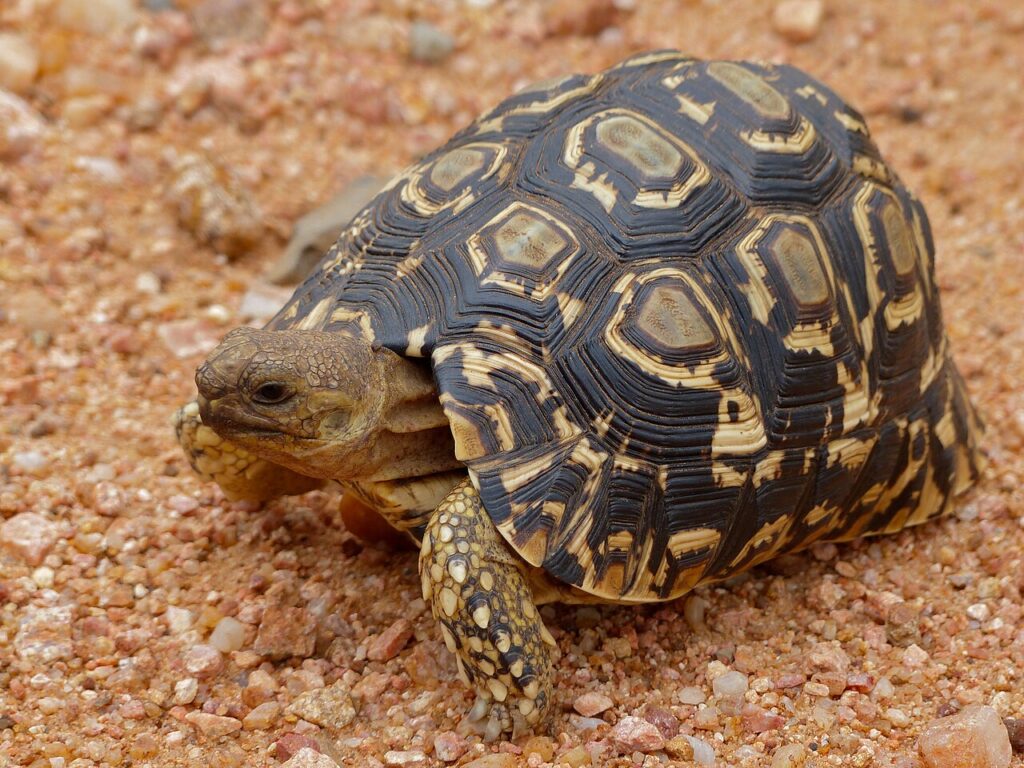
The leopard tortoise earns its name from its beautifully patterned shell, resembling the spots of a leopard. It is one of the largest tortoise species in Africa. We often encounter leopard tortoises in grasslands and semi-arid regions. They are herbivores, feeding on grasses and succulents, and can survive in harsh conditions due to their ability to store water. Their slow movement contrasts sharply with their resilience, making them a symbol of endurance in the wild.
4. Rhino Beetle
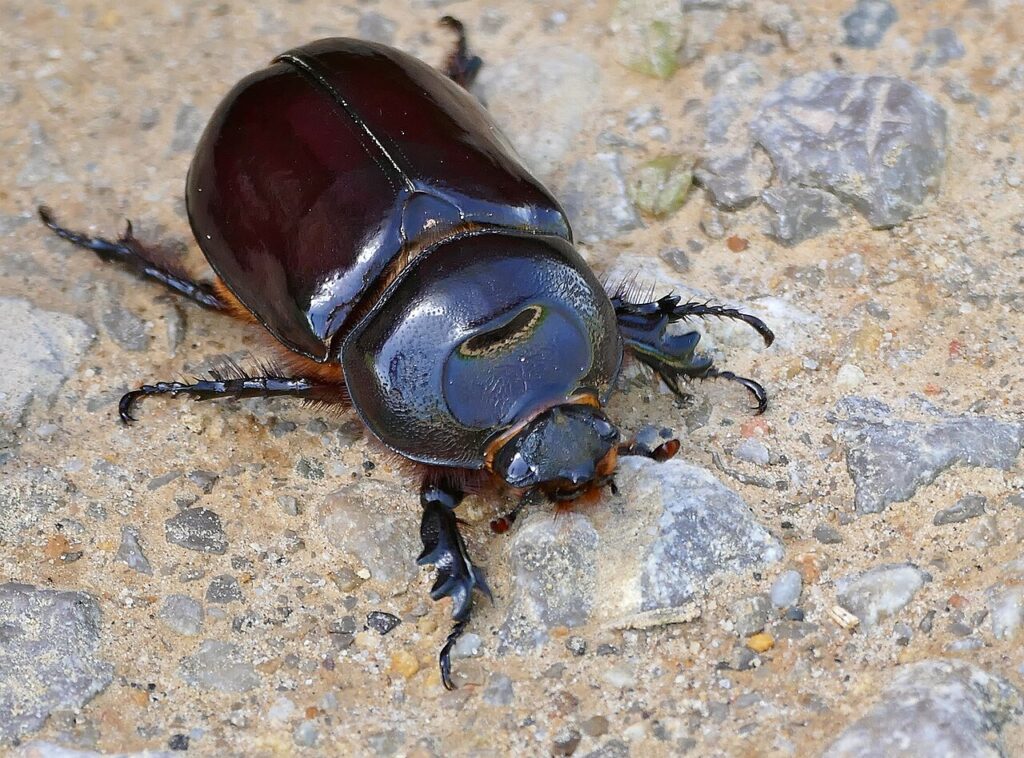
This small animall is one of the strongest creatures relative to its size. The rhino beetle is capable of lifting objects to 850 times its body weight. Its horn-like structure mirrors the iconic rhinoceros. These beetles inhabit forests and wooded areas, where they play a critical role in decomposition and nutrient recycling by feeding on decaying plant material.
5. Buffalo Weaver
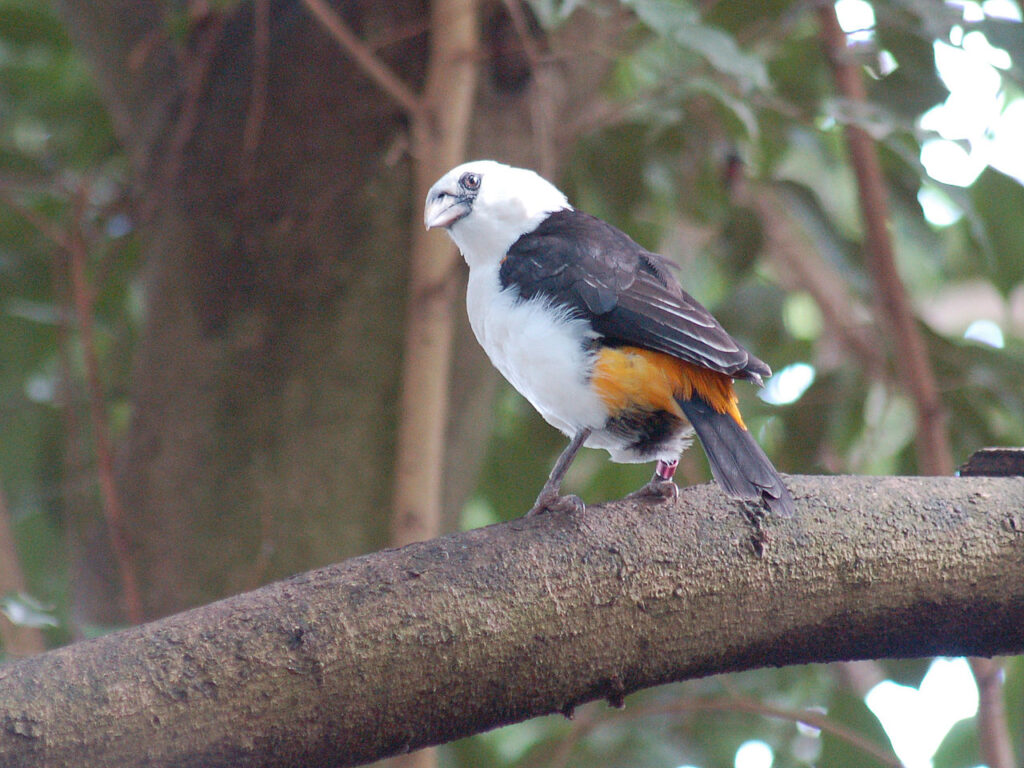
The buffalo weaver is known for its complex and massive nests, often built in trees or on utility poles. These nests can house multiple generations, creating a thriving community. We find buffalo weavers in open savannahs and arid regions, where they feed on seeds and insects. Their social structure is highly organized, reflecting remarkable cooperation. Their architectural skills make them one of the most fascinating bird species in Africa.
Where to See the Little 5 Animals
To fully experience the small 5 Animals, we recommend exploring national parks and reserves across East and Southern Africa. These locations provide ideal habitats for spotting these elusive creatures:
- Savannah ecosystems for buffalo weavers and elephant shrews
- Sandy terrains for antlions
- Grasslands for leopard tortoises
- Wooded areas for rhino beetles
A guided safari enhances the experience, as expert guides can identify these small species that are often missed. We, Meektrails Safaris, have custom-made Tanzania and Kenya tour packages to small five animals and more.
Celebrating Africa’s hidden gems
The little 5 animals offer a fresh perspective on African wildlife. While they may lack the size of their larger counterparts, they captivate us with their unique behaviors, resilience, and ecological importance. By embracing these small wonders, we enrich our safari experience and gain a deeper appreciation for the intricate beauty of nature.