
By Eliud Njoroge
Kenya is globally celebrated for its wildlife, from the lions of Maasai Mara to the towering giraffes roaming the plains of Amboseli National Park. Yet beyond the iconic beauty lies a fascinating world of creatures often labeled as “ugly.” We explore these remarkable animals not for their lack of conventional beauty, but for their uniqueness, ecological importance, and evolutionary brilliance. In this comprehensive guide, we unveil the ugly 5 animals in Kenya, redefining what beauty truly means in the wild.
1. Warthog
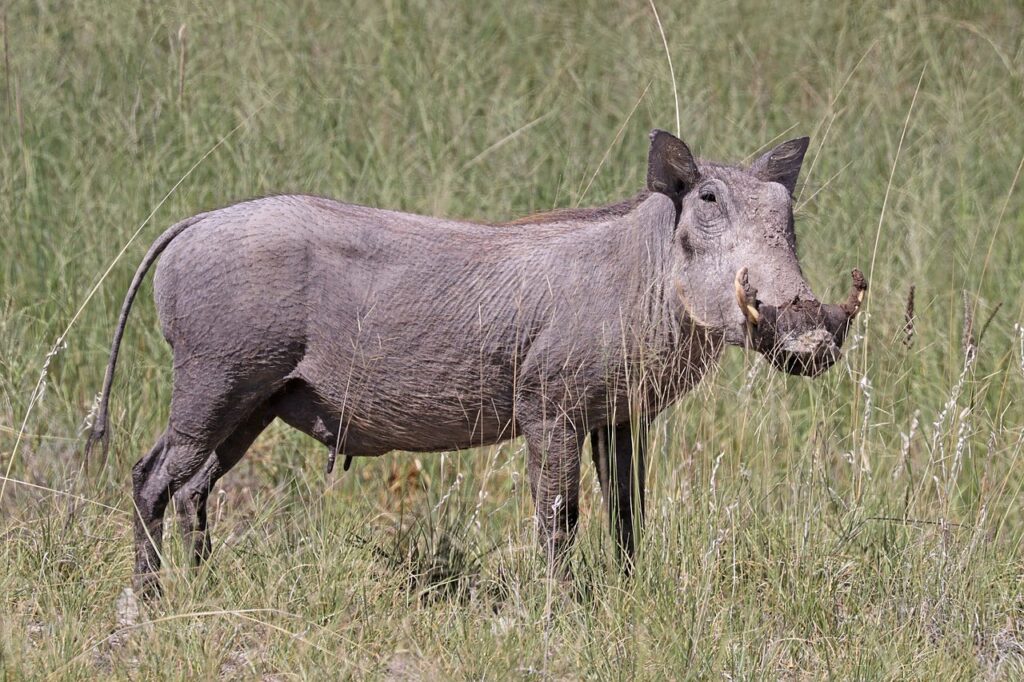
The Warthog is one of the most recognizable yet misunderstood animals in Kenya. With its large, flat head, protruding tusks, and wart-like facial growths, it easily earns a spot on this list.
Distinct Features
- Prominent facial “warts” that act as protective padding during fights
- Curved tusks used for defense and digging
- Sparse mane running along its spine
Despite its rugged appearance, the warthog is incredibly resourceful. We often see it kneeling while grazing, a behavior that highlights its adaptability in harsh environments.
Where to Spot
Warthogs are widespread across Kenya, particularly in:
- Tsavo National Park
- Samburu National Reserve
2. Marabou Stork
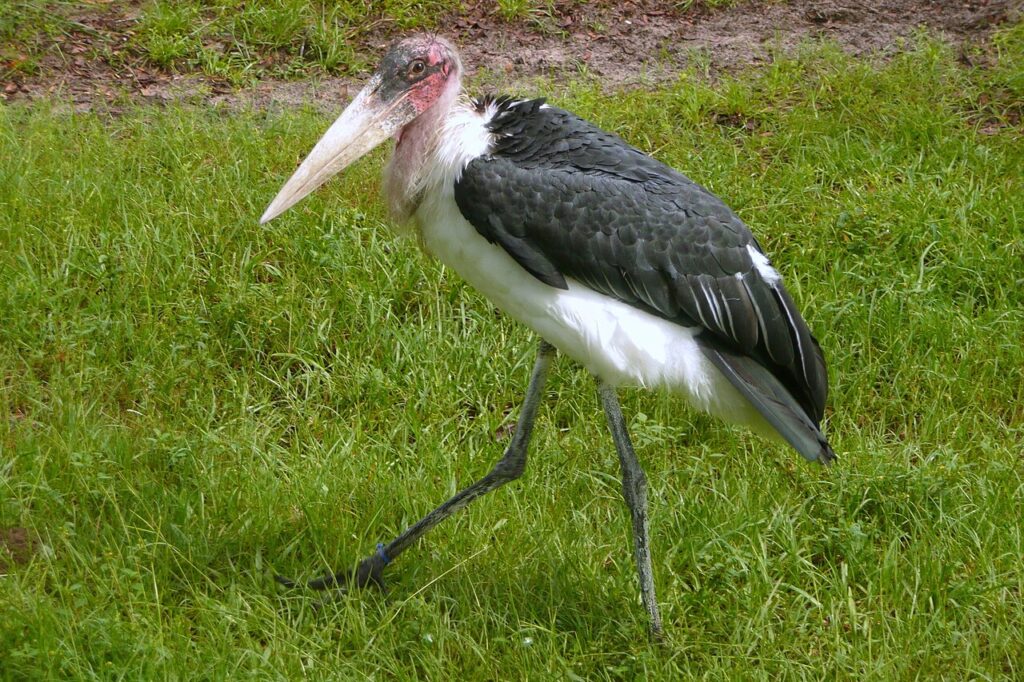
The Marabou Stork is often referred to as the ugliest bird in Africa, and for good reason. Its bald head, massive bill, and dangling throat pouch give it a somewhat eerie presence.
Why It Stands Out
- Featherless head adapted for scavenging
- Large wingspan reaching up to 3 meters
- A throat sac used for display and thermoregulation
We find the marabou stork thriving near urban areas and water bodies, often feeding on carrion and waste. While its appearance may seem unsettling, it plays a crucial role in maintaining ecological cleanliness.
Best Viewing Locations
- Nairobi (especially near dumpsites)
- Lake Nakuru National Park
3. Hyena
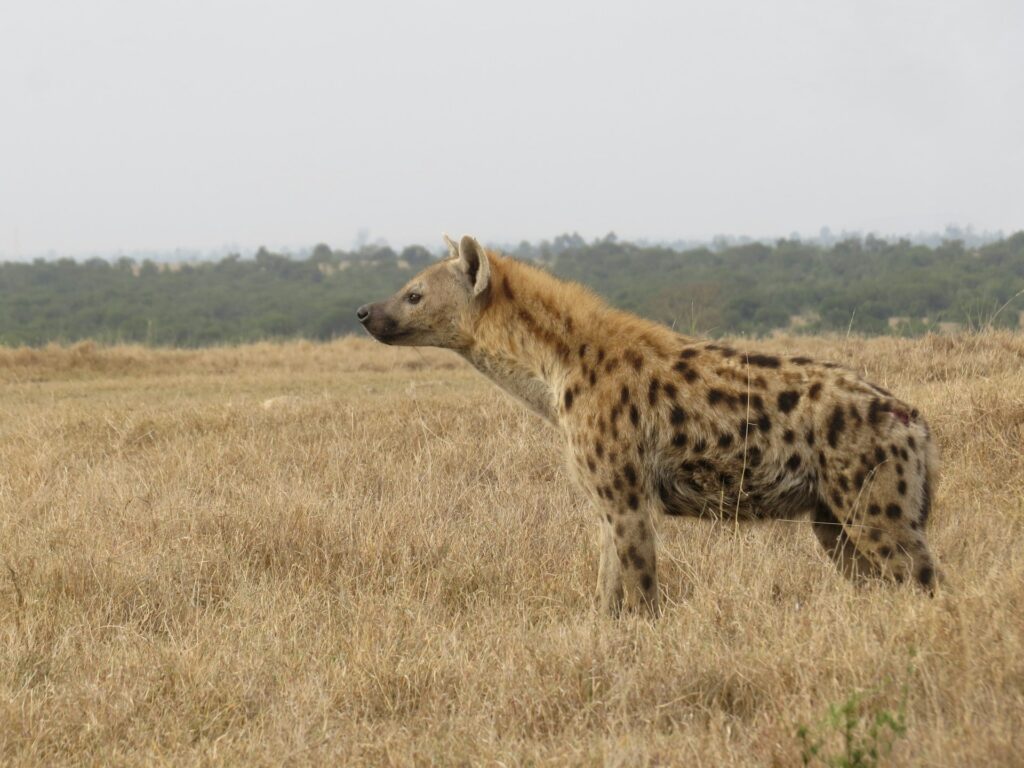
The Spotted Hyena is often portrayed as ugly and sinister, largely due to its sloping back, powerful jaws, and haunting laugh-like calls.
Unique Characteristics
- Exceptionally strong bite force capable of crushing bones
- Highly intelligent and socially complex
- Distinctive spotted coat
We recognize the hyena as one of Africa’s most efficient predators, not merely a scavenger. Its asymmetrical posture and unusual vocalizations contribute to its reputation, but its ecological role is invaluable.
Where to See Hyenas
- Maasai Mara
- Laikipia Plateau
4. Vulture
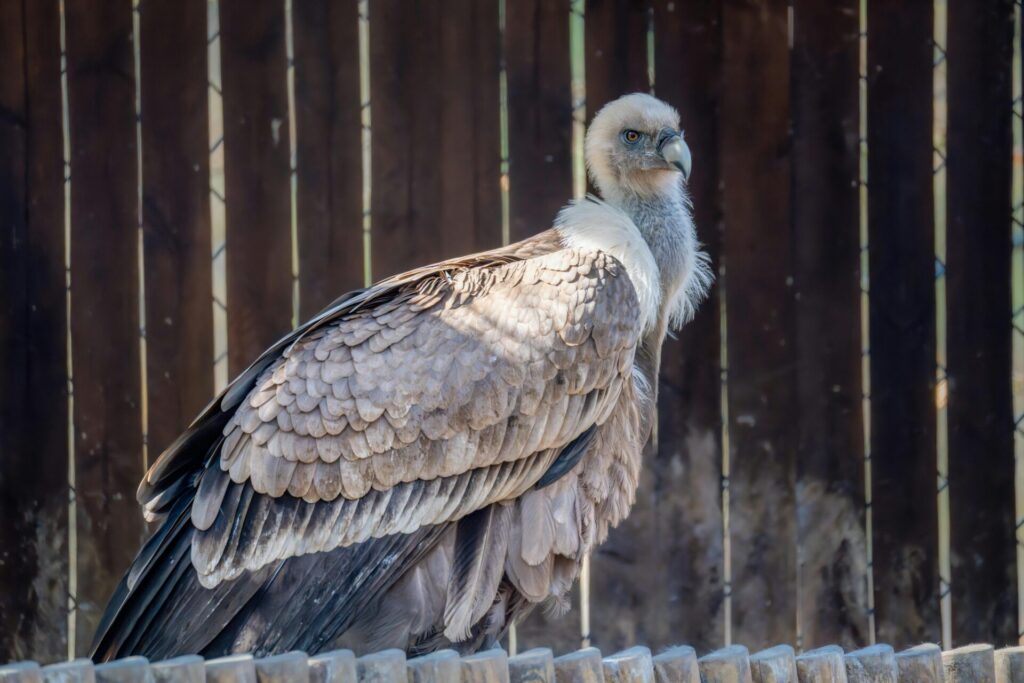
Few animals are as unfairly judged as the White-backed Vulture. With its bald head, hunched posture, and scavenging habits, it is often seen as unattractive.
Defining Traits
- Featherless head to maintain hygiene while feeding
- Keen eyesight for spotting carcasses from great heights
- Powerful digestive system capable of neutralizing harmful bacteria
We emphasize the vulture’s critical role in the ecosystem. Without these birds, disease spread would increase dramatically. Their “ugliness” is, in fact, a perfect adaptation to survival.
Common Habitats
- Serengeti Ecosystem
- Tsavo National Park
5. Wildebeest
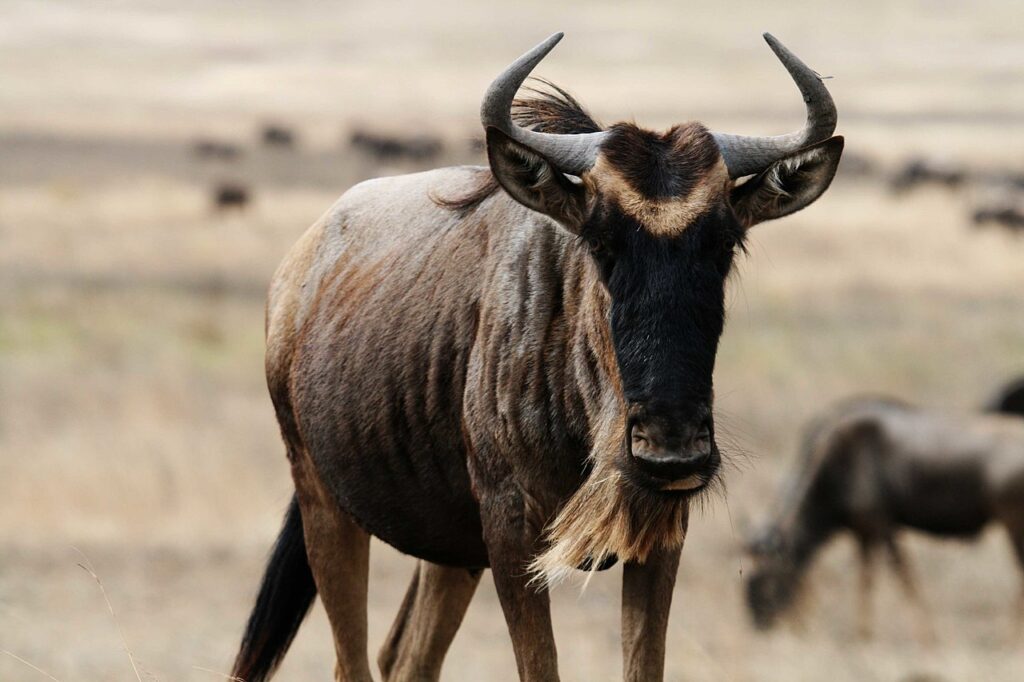
The Wildebeest, also known as the gnu, is among the ugly 5 animals in Kenya. With its oversized head, scruffy mane, sloping back, and awkwardly thin legs, it looks like a creature stitched together from different animals. But behind this unusual appearance lies one of Africa’s most iconic and important species.
What Makes the Wildebeest Unique?
Despite its “ugly” reputation, the wildebeest is truly extraordinary:
- They are Part of the Greatest Wildlife Spectacle on Earth
Wildebeests are the stars of the Great Migration. This is a dramatic, year-round journey involving over 1.5 million animals. They move in massive herds across Kenya and Tanzania in search of fresh grazing land.
- Built for Survival, Not Beauty
Their strange appearance actually serves a purpose. Strong shoulders help them endure long migrations. Curved horns protect them from predators. And their excellent stamina allows them to travel hundreds of kilometers.
- Highly Social Creatures
Wildebeests thrive in large herds, which provide safety in numbers. When threatened, they move as one massive unit, confusing predators like lions and hyenas.
- Key to the Ecosystem
They play a vital role in maintaining grasslands by grazing and fertilizing the soil, supporting other wildlife species.
Where to Find Wildebeest in Kenya
If you want to see wildebeests in their natural habitat, here are the best places:
1. Maasai Mara National Reserve
This is the top destination to witness wildebeests, especially during the migration season (July–October). You’ll see dramatic river crossings at the Mara River, one of nature’s most intense scenes.
2. Nairobi National Park
Just outside the capital city, this park offers a chance to see wildebeests against a unique backdrop of city skyscrapers.
3. Amboseli National Park
While better known for elephants, Amboseli also hosts wildebeests roaming beneath the stunning Mount Kilimanjaro.
Why “Ugly” Animals Matter in Kenya’s Ecosystem
We shift our perspective to understand that these animals are not truly ugly—they are perfectly adapted survivors. Each species contributes to the balance of Kenya’s ecosystems:
- Scavengers like vultures and marabou storks prevent disease outbreaks
- Predators like hyenas regulate prey populations
- Burrowers like mole rats improve soil health
- Omnivores like warthogs influence vegetation patterns
Their appearances are a testament to evolutionary efficiency rather than aesthetic appeal.
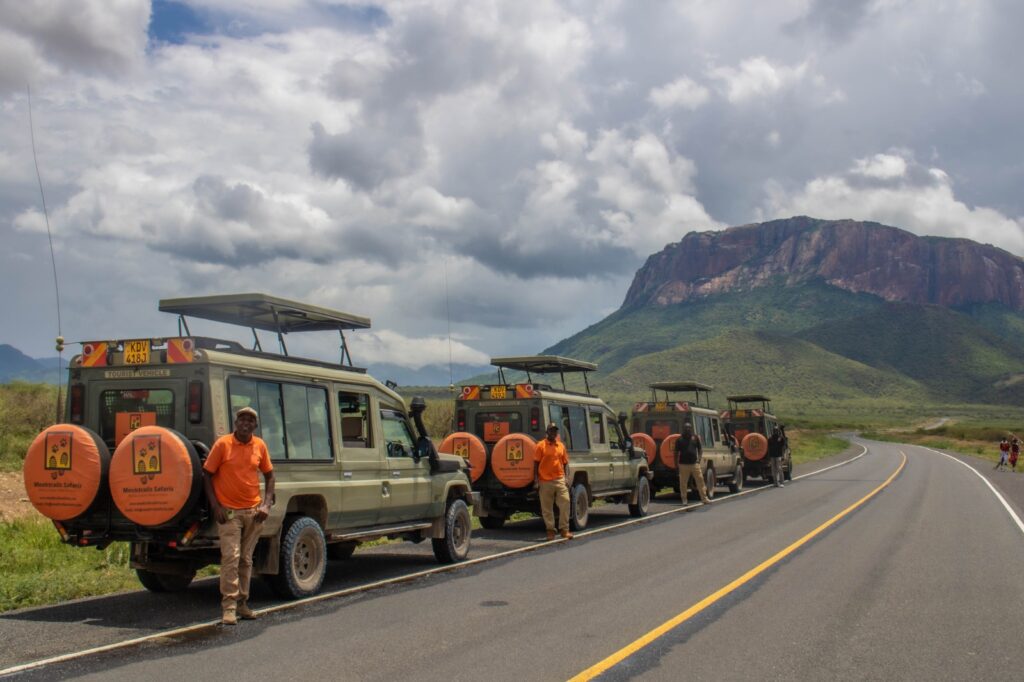
Where to Experience Kenya’s Unique Wildlife
To witness these fascinating creatures firsthand, we recommend visiting:
- Maasai Mara – Rich biodiversity and predator sightings
- Amboseli National Park – Beautiful landscapes and diverse wildlife
- Tsavo National Park – One of Kenya’s largest and most rugged parks
- Samburu National Reserve – Unique northern species
These destinations offer a deeper appreciation of wildlife beyond conventional beauty.
Redefining Beauty in the Wild
By embracing these animals, we gain a richer understanding of Kenya’s biodiversity and the intricate balance that sustains it. Beauty in the wild is not defined by appearance. It is defined by purpose, strength, and the ability to thrive against all odds.
For a perfect adventure in Kenya, consult the Meektrails Team, including Eliud Njoroge, who’s the writer of this article. With the ability to assist clients in both English and Spanish, Eliud makes safari planning smooth and accessible for travelers from around the world.