
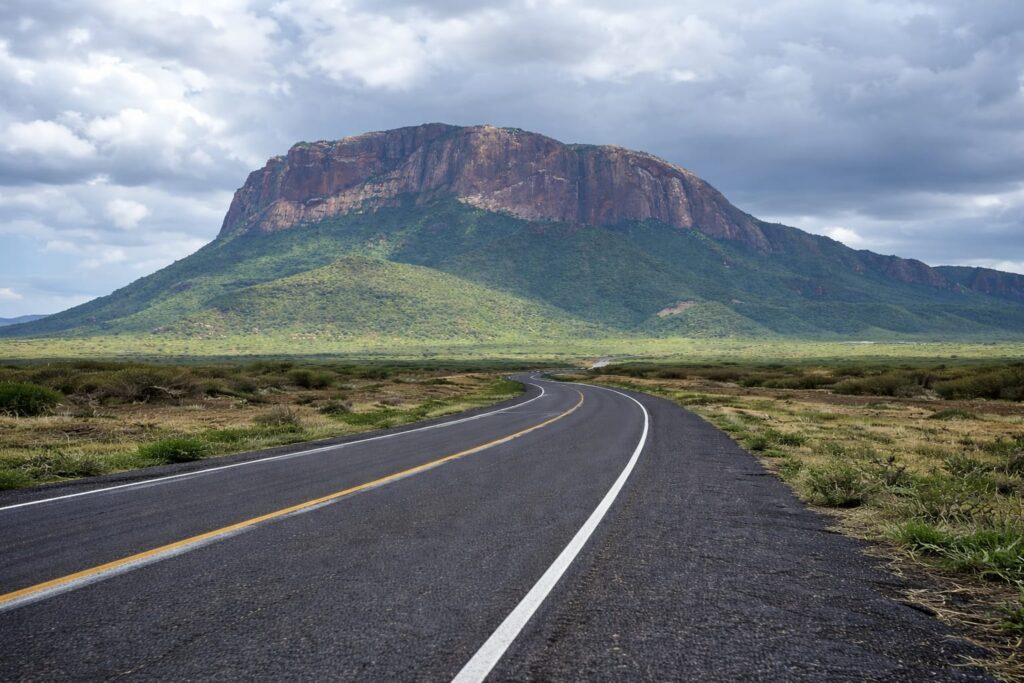
Mt. Ololokwe rises dramatically above the arid landscapes of northern Kenya. It is among the most breathtaking and culturally significant landmarks in East Africa. Its rugged cliffs, sweeping plains, and panoramic views make it a compelling destination for adventurers, photographers, and cultural enthusiasts. Located in Samburu County, near the town of Archer’s Post, Mt. Ololokwe commands attention from miles away. Its flat-topped summit and steep rock faces create a silhouette that is dramatic and inviting.
Geographical Features and Landscape
Mt. Ololokwe is often described as a table mountain, with a wide plateau at the top that contrasts sharply with its steep, rocky sides. This unique formation makes it stand out among Kenya’s mountainous regions.
We observe that the mountain rises approximately 2,000 meters above sea level, dominating the surrounding semi-arid terrain. From the summit, the views stretch across vast plains, seasonal rivers, and distant hills, creating a landscape that feels untouched and timeless.
The area around Mt. Ololokwe is characterized by:
- Dry savannah vegetation
- Acacia trees and shrubs
- Seasonal rivers that flow during the rainy months
Despite the harsh climate, the region supports a variety of wildlife, including:
- Elephants
- Antelopes
- Zebras
- Bird species unique to northern Kenya
This ecosystem adds to the mountain’s appeal, offering visitors a chance to experience Kenya’s raw wilderness away from crowded parks.
Discover: Best Kenya Safari Packages (2025/2026)
Cultural and Spiritual Significance
For the Samburu community, Mt. Ololokwe is not just a natural landmark. It is a sacred site deeply embedded in their traditions and beliefs. The mountain is considered a place of spiritual connection, where elders and community members perform rituals and prayers.
The Samburu people often refer to the mountain as a “holy mountain”, believing it to be a dwelling place of ancestral spirits. Ceremonies conducted here are meant to seek blessings, protection, and guidance.
Cultural Respect for Visitors
Visitors are encouraged to approach Mt. Ololokwe with respect for its cultural importance. This includes:
- Seeking permission from local guides
- Avoiding disruptive behavior
- Respecting sacred areas
By doing so, we ensure that tourism contributes positively to the preservation of local traditions.
Best Time to Visit Mt. Ololokwe
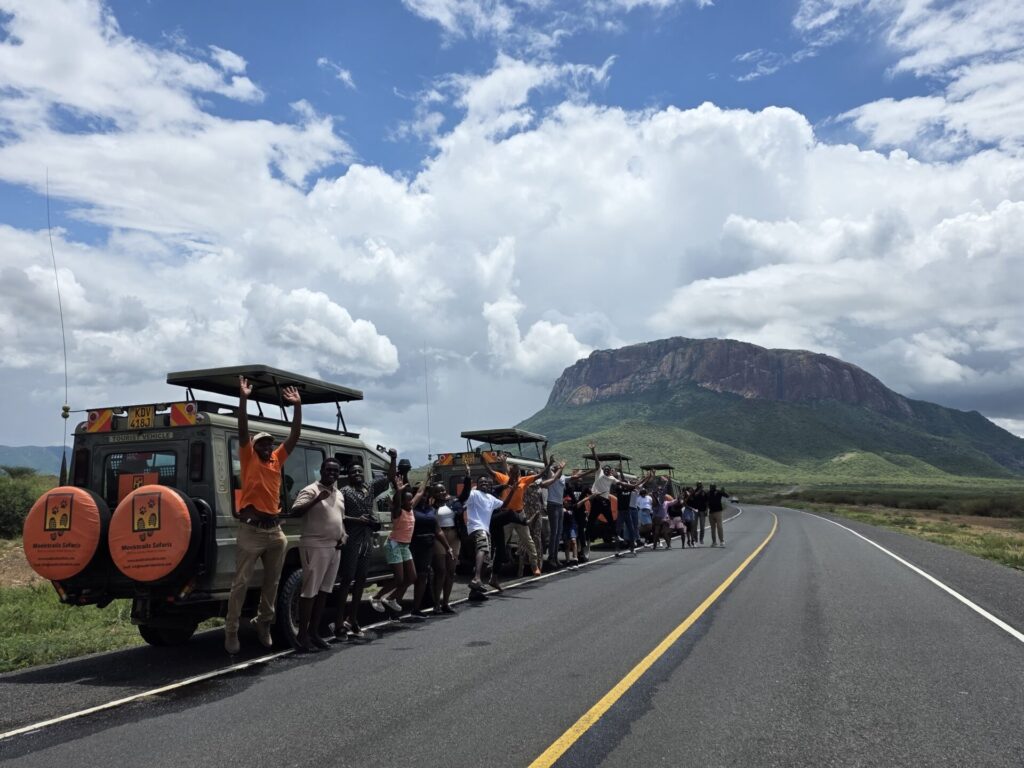
We recommend visiting Mt. Ololokwe during the dry seasons, which occur between:
- June to October
- December to March
During these months, the trails are more accessible, and the weather conditions are favorable for hiking and photography.
Weather Conditions
- Daytime temperatures can be warm, often exceeding 30°C
- Early mornings and evenings are cooler
- Rainy seasons may make trails slippery and challenging
Planning your visit during optimal weather ensures a safe and enjoyable experience.
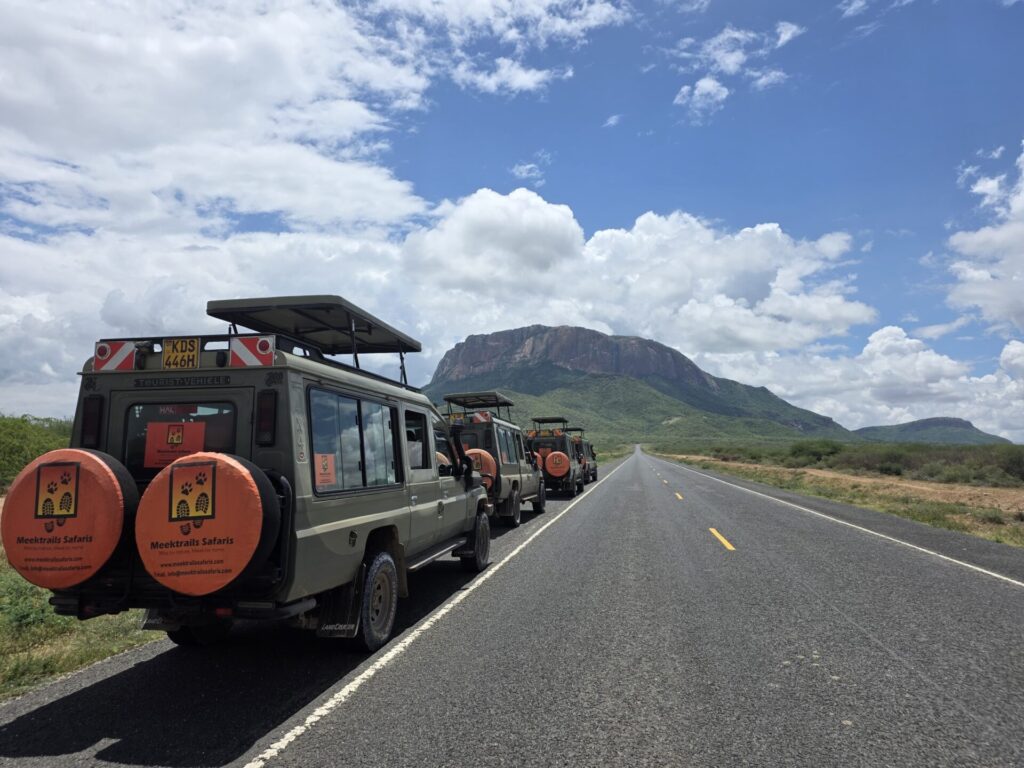
Photography and Scenic Views
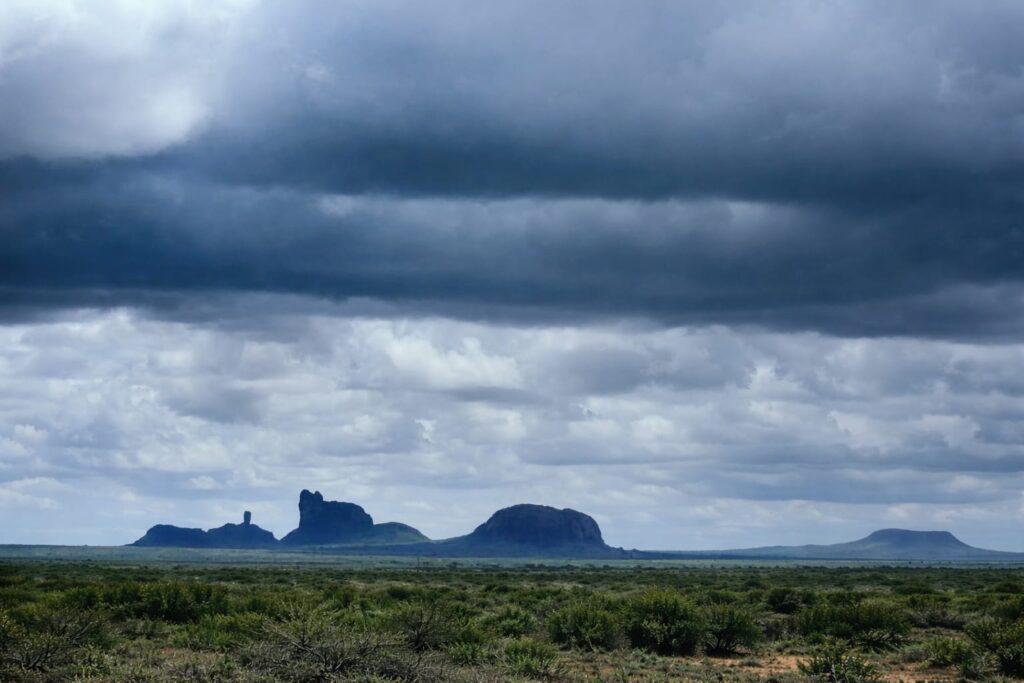
Mt. Ololokwe offers countless opportunities for stunning photography. We find that the interplay of light and shadow across the mountain’s rugged surface creates dramatic visuals, especially during sunrise and sunset.
Top Photography Highlights
- The mountain’s silhouette against the sky
- Expansive views from the summit
- Wildlife in the surrounding plains
- Cultural moments with the Samburu community
Every angle of Mt. Ololokwe tells a story, making it a must-visit destination for visual storytellers.
Whether for hiking, photography, or cultural exploration, Mt. Ololokwe offers a memorable journey that continues to inspire all who visit. Contact Meektrails Safaris to customize a trip to Ololokwe.