
A safari in Kenya can be a wonderful way for senior tourists to celebrate retirement, enjoy a long-awaited vacation, reconnect with nature, or create fun memories. You do not need to be an experienced traveler or an adventurous athlete to enjoy these experiences. With the right destination, comfortable accommodation, reliable transportation, and a thoughtfully planned itinerary, you can experience Kenya’s wildlife at a pace that suits you.
Why Choose Kenya for a Senior Safari?
Kenya has wildlife, cultural heritage, and established tourism services that appeal to travelers of different ages. According to Kenya’s Tourism Research Institute, the country welcomed over 2,300,000 international visitors in 2024. The visitors came to explore the country’s national parks, conservancies, lakes, and coastal destinations. For a senior traveler, this variety lets you design a safari around your preferred activity level instead of following a demanding, one-size-fits-all schedule.
Wildlife, scenery, and cultural experiences
One of the greatest advantages of a Kenyan safari is that you can experience much of its wildlife from the comfort of a safari vehicle. You might watch elephants crossing the plains, lions resting beneath acacia trees, giraffes feeding on treetops, or zebras moving in large herds.
Kenya’s landscapes also offer considerable variety, from the open grasslands of the Maasai Mara to the wetlands of Amboseli and the scenic shores of Lake Nakuru. If you enjoy photography or birdwatching, you can spend extra time observing wildlife without needing to undertake strenuous walks.
Cultural visits can also introduce you to local traditions, crafts, food, and community conservation initiatives when arranged respectfully with local hosts. Rather than rushing between attractions, you can choose a few meaningful experiences and allow yourself time to appreciate them. This slower approach can make the trip more enjoyable, especially if you prefer relaxed mornings, scenic stops, and plenty of opportunities to rest.
Comfort, accessibility, and flexible travel
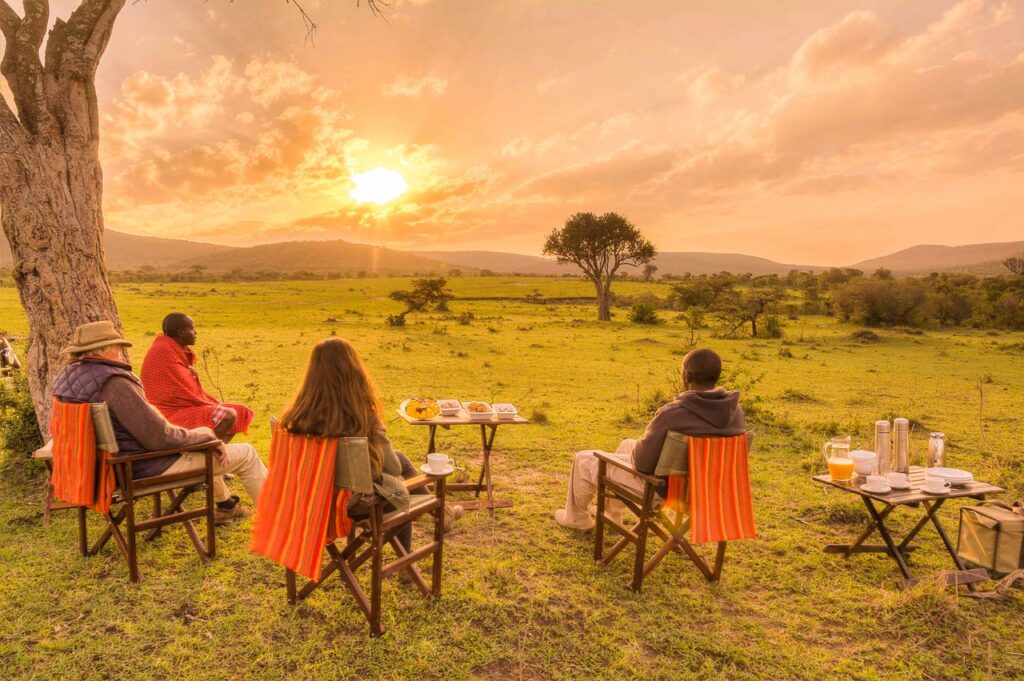
Comfort should be a central part of your planning, not an expensive extra you consider at the last minute. Private safari vehicles can give you more control over departure times, sightseeing stops, and the length of each game drive. Lodges and tented camps vary considerably, so look for properties with comfortable beds, private bathrooms, reliable hot water, suitable meal options, and minimal walking between guest rooms and dining areas.
If you use a cane, walker, wheelchair, or other mobility aid, confirm accessibility directly with the accommodation provider before booking. Some properties have uneven paths, steps, raised tent entrances, or bathrooms that may be difficult to navigate. You should also consider whether a property can accommodate dietary requirements. A well-planned safari gives you choices while preserving the freedom to enjoy Kenya at your own pace.
Best Kenya Safari Destinations for Senior Tourists
Not every safari destination suits every traveler equally. When selecting where to go, consider the wildlife you most want to see, the length of the journey, the terrain, the accommodation options, and how much time you want to spend on the road. The destinations below provide different experiences.
Maasai Mara National Reserve
The Maasai Mara National Reserve is one of Kenya’s most recognized safari destinations and a natural choice if you dream of seeing lions, elephants, buffalo, giraffes, zebras, and other wildlife in open grasslands. The annual wildebeest migration, usually associated with the wider Mara–Serengeti ecosystem and often visible in the Mara between July and October, attracts many visitors. Exact timing and crossing locations vary, so sightings cannot be guaranteed. If you prefer a quieter atmosphere, you can consider visiting outside the busiest periods or selecting accommodation in a suitable conservancy, taking account of its access rules and additional fees.
For a senior safari, the most important decision may be choosing the right camp or lodge. Staying close to your main wildlife-viewing area can reduce lengthy transfers and help you avoid unnecessary fatigue. Ask about vehicle comfort, seat access, the duration of typical game drives, and whether the driver can return you to camp early if you wish. The reserve is not a completely smooth or paved environment; game drives can involve bumpy tracks, dust, and prolonged sitting. A private vehicle and a flexible schedule can make these conditions easier to manage.
Amboseli National Park
If elephants are high on your wildlife wish list, consider Amboseli National Park. The park is famous for its elephant herds and striking views of Mount Kilimanjaro when weather conditions permit. Amboseli works well for travelers who appreciate photography, landscape scenery, and unhurried wildlife observation. However, its roads can become challenging during wet weather, and some journeys from Nairobi take several hours by road.
Depending on your budget and schedule, a domestic flight may reduce travel time, although you should account for luggage limits and transfers between the airstrip and your accommodation. When booking, ask whether your lodge offers easy access to dining facilities, assistance with luggage, and seating areas where you can relax between activities. You can also ask your guide to prioritize shorter game drives with suitable breaks.
Lake Nakuru National Park
Lake Nakuru National Park is worth considering if you want wildlife viewing combined with attractive lake scenery and a relatively compact park experience. It is particularly known for its birdlife and its role in protecting black and white rhinos.
Its location in the Rift Valley also makes Lake Nakuru useful when planning a road safari that includes other destinations. Lake Nakuru can provide a rewarding experience for travelers who appreciate varied scenery and wildlife without needing to undertake strenuous activities.
Tsavo East and Tsavo West National Parks
For a sense of space and wilderness, explore Tsavo East and Tsavo West National Parks. Together, they offer expansive landscapes, varied habitats, and opportunities to see elephants, giraffes, zebras, buffalo, and other wildlife. Tsavo East is known for its broad open spaces and reddish soil, which can give elephants a distinctive red appearance when they dust themselves. Tsavo West has more varied terrain, including hills and rocky landscapes. The two parks can be combined into a longer itinerary, but their size and the distances involved mean that careful planning is essential.
These parks may appeal to you if you prefer fewer crowds in some areas and enjoy long scenic drives through varied terrain. On the other hand, their large size can mean longer periods in a vehicle, and some tracks may be rough. If you experience back pain, joint discomfort, or difficulty sitting for long periods. You may wish to explore just one Tsavo park rather than trying to cover both in a short trip. Alternatively, you could combine a carefully chosen Tsavo stay with a coastal holiday, giving yourself several quiet days by the Indian Ocean after your wildlife adventure.
Samburu National Reserve
Samburu National Reserve offers a different perspective on Kenya’s wildlife. Located in the country’s north, it is associated with species adapted to drier environments, including Grevy’s zebra, reticulated giraffe, and gerenuk. Wildlife viewing along the Ewaso Ng’iro River can be especially rewarding because the river attracts animals in an otherwise dry landscape. If you have already visited famous southern parks, Samburu can add variety to your safari through its distinctive wildlife, rugged scenery, and opportunities to learn about northern Kenyan ecosystems.
Cultural visits may also be available through appropriately arranged community experiences. For senior tourists, Samburu requires particular attention to transport and accommodation. It is farther from Nairobi than some other popular safari areas, so a domestic flight may be worth considering if it suits your budget and health needs. Road travel is possible, but journey duration and comfort depend on the route and conditions. Samburu is a good option if you value specialized wildlife sightings and a more remote atmosphere.
Best Time to Visit Kenya
The best time for your safari depends on the wildlife you want to see, your tolerance for heat or rain, your budget, and how much flexibility you have with travel dates.
If you want to combine classic wildlife viewing with comfortable travel logistics, consider June through October. July through October is a common period for visitors hoping to see wildebeest in the Maasai Mara, but the migration follows rainfall and grazing conditions rather than a fixed calendar. The shorter dry period around January and February can also offer good wildlife-viewing opportunities in many areas. For senior travelers, the ideal month is not necessarily the month with the most visitors or the most famous wildlife event. A quieter travel period, a comfortable lodge, and manageable transfers may be more important than trying to witness a particular sighting.
The long rains, generally occurring around March or April through May and sometimes extending into June depending on the region, can bring green landscapes and fewer visitors at some properties. However, muddy roads and slower transfers may make travel less comfortable. If you plan to travel during this period, ask your operator about road access, vehicle suitability, and contingency arrangements.
Whatever season you choose, reserve suitable accommodation in advance, especially if you need accessible facilities or a room near common areas. A flexible itinerary can also help you avoid the pressure of having to complete every activity regardless of the weather. In short, plan around your comfort and interests first, then choose the season that supports them.
Health, Safety, and Comfort Tips
A comfortable safari begins well before you arrive in Kenya. Your health needs, mobility, medication schedule, and tolerance for long journeys should shape the itinerary from the beginning. Traveling later in life does not automatically mean you need a restrictive vacation, but it does make practical preparation valuable. Think about what helps you feel comfortable on an ordinary day. For example, enough sleep, regular meals, easy access to a bathroom, opportunities to stretch, and time to take medication. You can use these preferences to evaluate safari operators and accommodation rather than choosing a package based only on the number of parks included. The aim is to enjoy your holiday while reducing avoidable strain.
Medical preparation, transport, and lodge Selection
Travel insurance deserves equally careful attention. Look for a policy that covers medical treatment, emergency evacuation where appropriate, trip interruption, and any pre-existing conditions according to the policy terms. If you are taking domestic flights or visiting remote camps, check whether the policy covers your planned activities and locations. Bring a written list of your medications, relevant allergies, emergency contacts, and any essential medical information. It is also sensible to tell your safari operator about requirements that could affect your comfort or safety, sharing only the information necessary to plan the trip.
Your transport and accommodation choices matter just as much as your medical preparation. A property described as luxurious is not necessarily accessible, so request specific answers rather than relying on photographs or general descriptions.
Two Recommended Kenya Safari Itineraries for Senior Travellers
The following sample itineraries are designed to balance wildlife viewing with comfort and downtime. They are starting points rather than fixed packages, and actual travel times will depend on the season, route, traffic, accommodation location, and transport arrangements.
7-day classic Kenya safari
This seven-day itinerary is suitable if you want to experience several of Kenya’s signature wildlife landscapes without planning an extended holiday. It combines Amboseli, Lake Nakuru, and the Maasai Mara, offering elephant viewing, rhino conservation areas, and classic savanna wildlife. To keep the trip manageable, consider private transfers, comfortable lodges, and an itinerary that does not require you to change hotels every night. Depending on your budget, domestic flights may reduce some travel time, although the route and flight availability must be confirmed before you book.
Day 1: Arrive in Nairobi, transfer to your hotel, rest and prepare for the safari.
Day 2: Travel to Amboseli; settle in and enjoy a short afternoon game drive if you feel rested.
Day 3: Take a morning wildlife drive in Amboseli, enjoy lunch and downtime, and choose an optional afternoon outing.
Day 4: Transfer toward the Rift Valley, with rest stops as needed; overnight near the park in the Lake Nakuru area.
Day 5: Enjoy a relaxed morning game drive at Lake Nakuru, then travel toward the Maasai Mara or break the journey where practical.
Day 6: Enjoy a morning drive, a leisurely lunch, and an optional afternoon game drive in the Maasai Mara.
Day 7: Return to Nairobi by road or an appropriately scheduled domestic flight. This is after a morning game drive.
This itinerary introduces you to three distinct environments while leaving room for rest at the lodges. However, it includes several transfers and may feel rushed if you strongly prefer short journeys or have limited mobility. You could improve the pace by spending fewer nights in different locations and adding an extra night to your favorite park.
If you particularly want to see elephants and rhinos, for example, you might choose to spend more time in Amboseli and Lake Nakuru rather than trying to cover three destinations in one week. If the Maasai Mara is your main priority, consider a longer stay there and remove one of the other parks. The most important thing is to create an itinerary that leaves you enough energy to enjoy the experiences you came for.
10-Day safari and coastal relaxation
If you have more time, a ten-day itinerary can combine a wildlife safari with several days of rest beside the Indian Ocean. This approach is especially appealing if you want your vacation to include both adventure and relaxation. You can spend the first part of the trip observing wildlife, then finish with coastal scenery, ocean breezes, and leisurely meals. Swimming, boat excursions, and other water activities should always depend on local conditions and your individual comfort.
Day 1: Arrive in Nairobi, check into your hotel, and rest after your journey.
Days 2–3: Enjoy elephant-focused game drives, scenic views, and relaxed lodge time in Amboseli.
Days 4–5: Explore selected wildlife areas in Tsavo West or Tsavo East without trying to cover both parks too quickly.
Day 6: Travel to the coast by a suitable road, rail or flight arrangement, depending on your route.
Days 7–9: Enjoy beach views, relaxed dining, optional cultural visits and plenty of downtime at Diani Beach or another coastal base.
Day 10: Transfer to the appropriate airport or onward connection, allowing enough time for check-in.
The main advantage of this itinerary is its variety. You experience wildlife first, then have several days when you are not required to wake early for game drives or spend hours looking for animals. The coastal portion can also provide a buffer before your international departure, particularly if you have had a busy travel schedule. Nevertheless, do not underestimate the time needed to move between Tsavo and the coast.
Depending on the route, road conditions, and chosen transport, the transfer may be tiring, so ask your operator to plan suitable breaks or consider alternatives. You may also choose to reduce the safari portion and spend longer at the beach if relaxation is your main objective. A good itinerary is one you can enjoy comfortably, not one that fits the greatest number of destinations into the fewest days.
Why Book A Safari With Meektrails Safaris?
Planning a safari involves more than selecting parks and reserving rooms. You need to coordinate transfers, accommodation, game drives, meals, park visits, and practical details that can have a significant impact on your comfort. Meektrails Safaris presents an opportunity to organize these elements into one personalized journey across Kenya.
For senior tourists, the value of a safari operator lies in the details. We are ready to arrange a private vehicle, a slower daily schedule, short and manageable transfers, and accommodation that meets your specific accessibility requirements. Request a written itinerary showing planned travel times, accommodation names, included services, exclusions, and cancellation conditions.