

Kenya is a tourist gem with a favorable climate, rich wildlife, and different cultures. After a safari in Kenya, you can carry souvenirs home to give family and friends a taste of the adventure. Kenyan souvenirs are more than decorative items; they carry stories and craftsmanship. Buying them supports local artisans and traditional crafts. Here’s our guide to the best souvenirs to buy in Kenya, whether you shop in markets or curio stalls.
1. Maasai Beaded jewellery
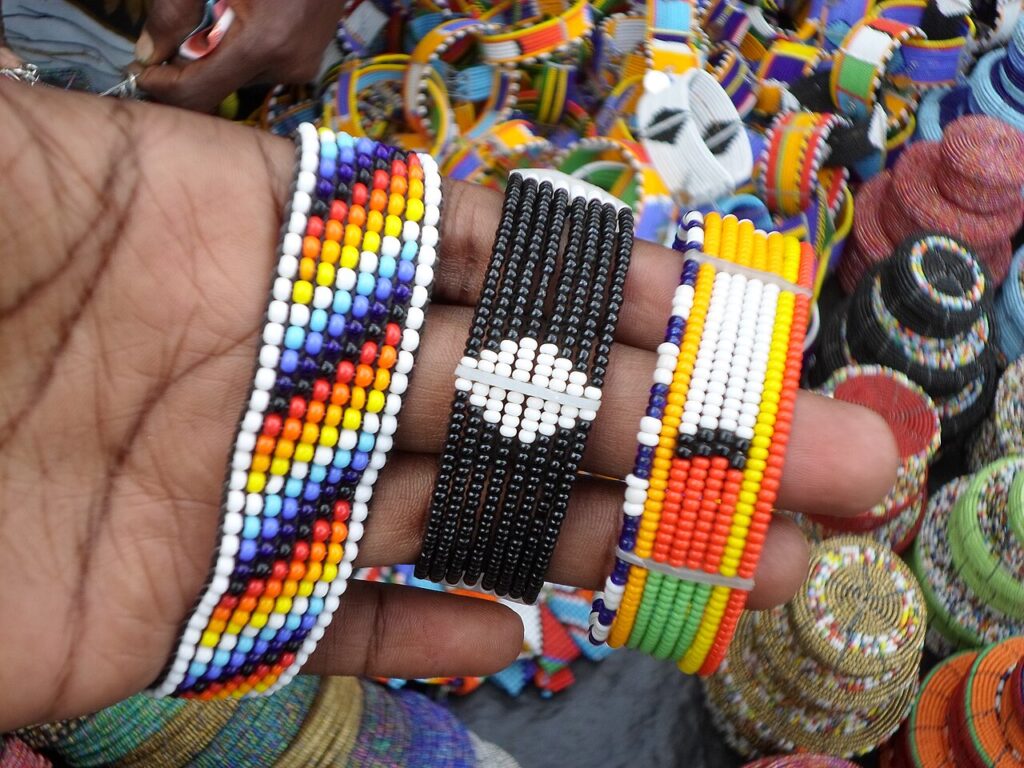
Buy necklaces, bracelets, earrings, and belts made from small glass beads. The beads are arranged in patterns that carry meaning within Maasai culture. Some patterns show age, status, and social standing in Maasai communities. The colors and ochres echo the landscape you might have been driving through. Also, you’ll find them at markets in Nairobi, the Maasai Mara, and Amboseli.
Price range: KSh 500 to 3,500 (roughly $4 to $27) for bracelets and statement necklaces.
Buying tip: Look for tightly wound beadwork with even spacing and traditional geometric patterns. Also, ask whether the piece was made by Maasai artisans.
2. Animal-Themed Wooden Sculptures
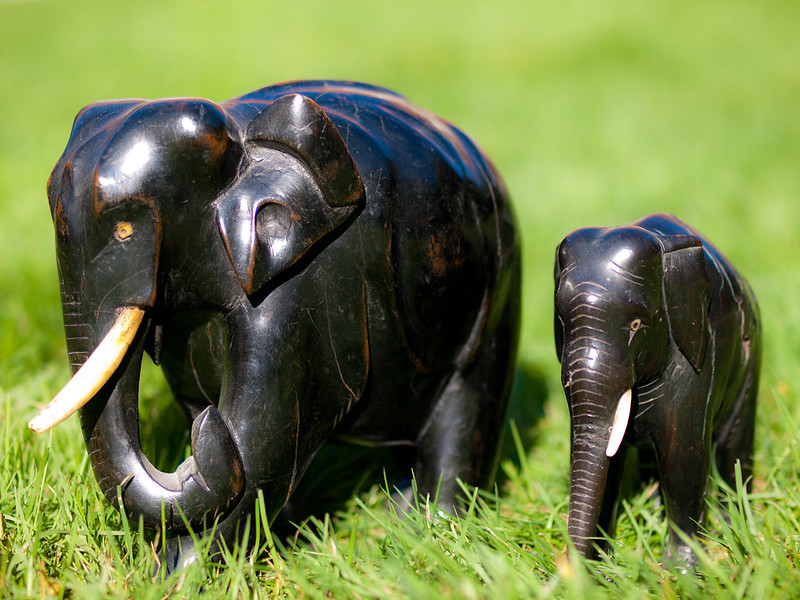
Kenya is known for its animal diversity. It’s only fair to remember your time in the wild by buying some animal-themed wooden souvenirs. Skilled artisans carve giraffes, lions, elephants, and zebras. Each piece becomes a tactile reminder of game drives and close encounters in the wild.
Price range: KSh 500 to 1,500 for small carvings and kitchen pieces, rising to KSh 3,000 to 10,000 or more for larger sculptures, depending on size, wood, and detail.
3. Kenyan Coffee
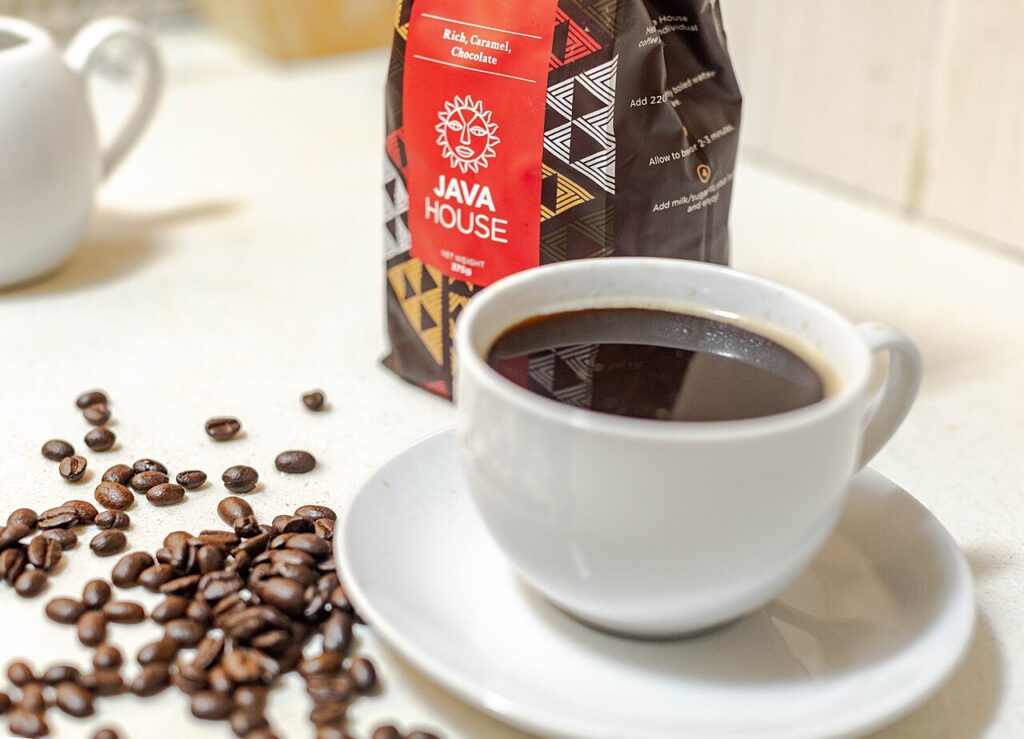
Coffee and tea are deeply loved in Kenya. Tea is grown in the central highlands, where altitude, rainfall, and rich volcanic soil come together to produce something special. Kenya’s Arabica beans have earned a global reputation. The country’s best-known growing regions include Nyeri, Kirinyaga, Murang’a, Kiambu, Embu, and parts of the Rift Valley.
Price range: KSh 600 to 1,800 (roughly $5 to $14) for a 250 to 500g bag.
4. Kisii Soapstone Carvings
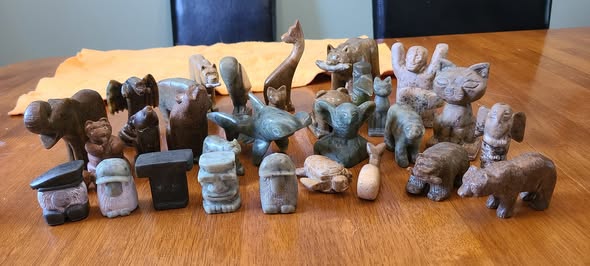
Soapstone from the Kisii community has a cool, slightly soapy touch and a satisfying weight in the hand. It is carved into animal figurines, decorative plates, bowls, and even chess sets. The craft’s heart is Tabaka, a town in Kisii County where entire families work the stone, though you’ll also find pieces at Nairobi’s Maasai Market.
Price range: KSh 300 to 5,000 (roughly $2 to $38), depending on size and detail.
Buying tip: Run your fingers over the piece before you buy. Genuine Kisii soapstone should feel cool and slightly soapy, with visible hand-tool marks and natural veining running through it.
5. Brass Jewellery
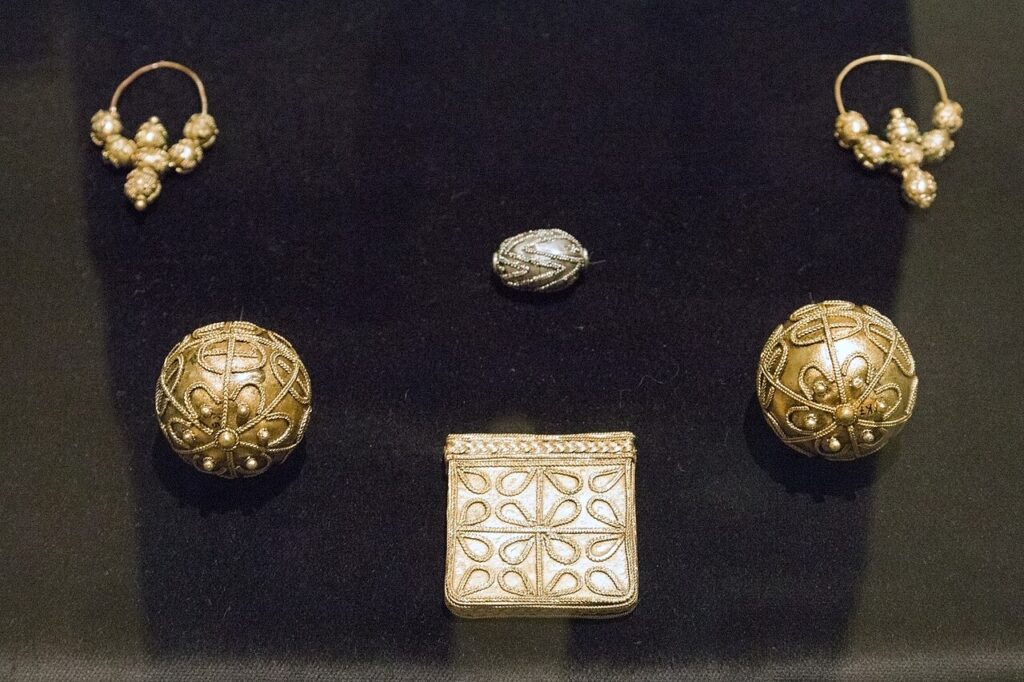
Carry home brass jewellery handcrafted by local artisans. These pieces often feature bold shapes like the silhouette of Africa, textured finishes, and motifs inspired by nature and tribal heritage. Whether you want necklaces or earrings, brass jewellery makes for a good addition to any jewellery collection.
Price range: KSh 500 to 4,500 (roughly $4 to $35), depending on size and detail.
6. Kenyan Tea
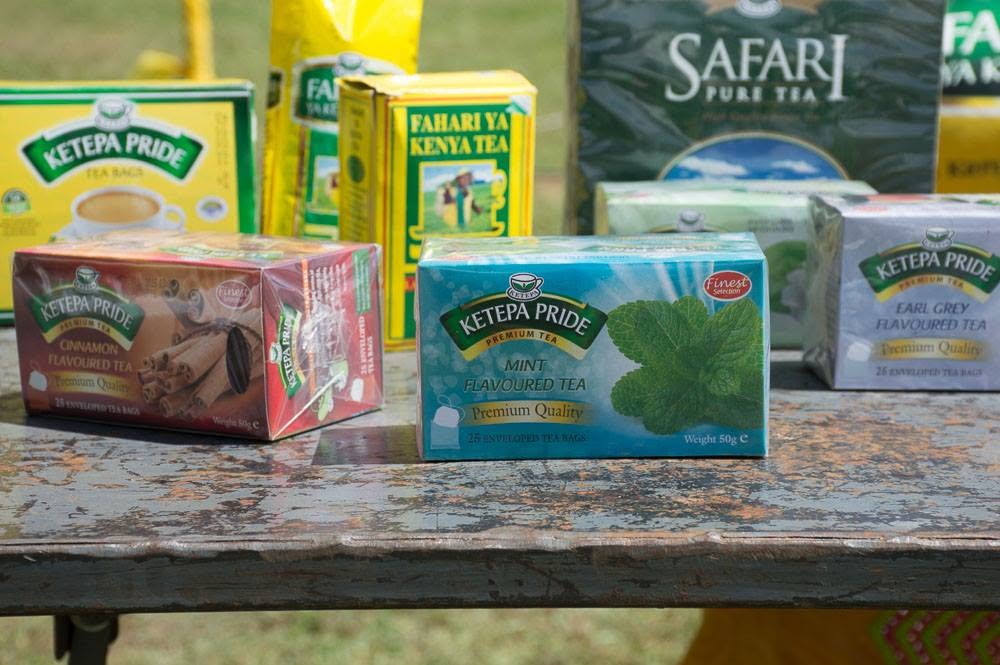
The taste of Kenyan black tea makes it stand out in the global market. It has a distinct amber-brown colour and a brisk, full-bodied flavour. The taste is shaped by Kenya’s high altitude, favourable climate, and deep reddish soil rich in minerals.
The Kericho and Nandi Hills regions produce some of the country’s best black, green, and purple teas. You’ll find it as loose leaf, tea bags, flavoured black tea, herbal infusions, and Kenyan green tea. You will find well-known brands like Ketepa, Kericho Gold, and Fahari ya Kenya in shopping centers worldwide. It’s also one of the cheapest souvenirs you can bring home from Kenya.
Price range: KSh 250 to 1,200 (roughly $2 to $9) for 250 to 500g, depending on the grade.
7. Maasai Sandals
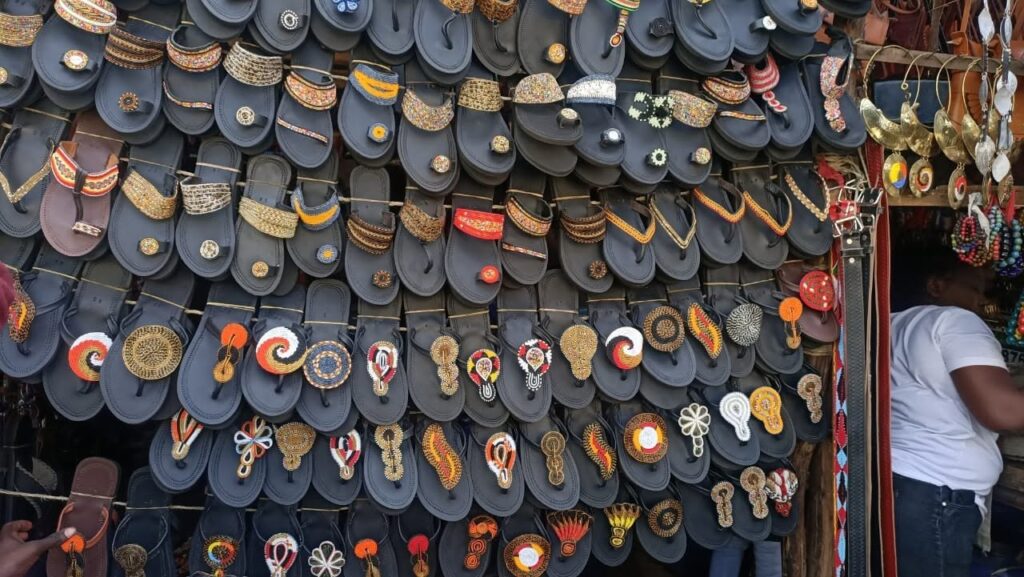
Maasai footwear is known for its durability and simple handmade design. Traditionally made from leather, these sandals are crafted to suit everyday use and pair just as easily with modern outfits. Many pairs are decorated with colourful beadwork. This style is closely associated with the Maasai and is comfortable enough for daily wear long after the trip is over.
Price range: KSh 400 to 2,000 (roughly $3 to $12), depending on the beadwork and whether they’re made to order.
Buying tip: A well-made pair will have even, tight stitching and a sole sturdy enough for rough ground
8. Kikoy and Kitenge
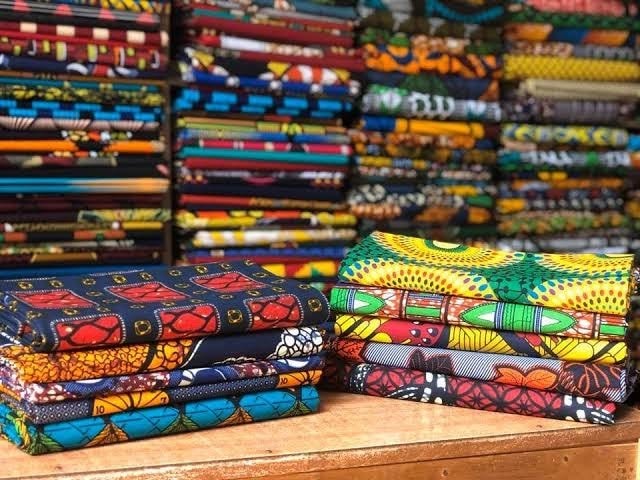
The kikoy is a lightweight wrap from the Kenyan coast. It was traditionally worn as a sarong by men and women. Kitenge brings colourful prints with inland design influences. Kanga carries Swahili proverbs woven right into the fabric and is worn as a headscarf, shawl, or dress. Between the three, you’ll find pieces that carry coastal Swahili and inland Kenyan design traditions. Look for them in Mombasa, Lamu, and Nairobi’s markets.
Price range: KSh 800 to 3,000 (roughly $6 to $23) per piece, depending on the fabric and workmanship.
9. Hand-Carved Wooden Utensils
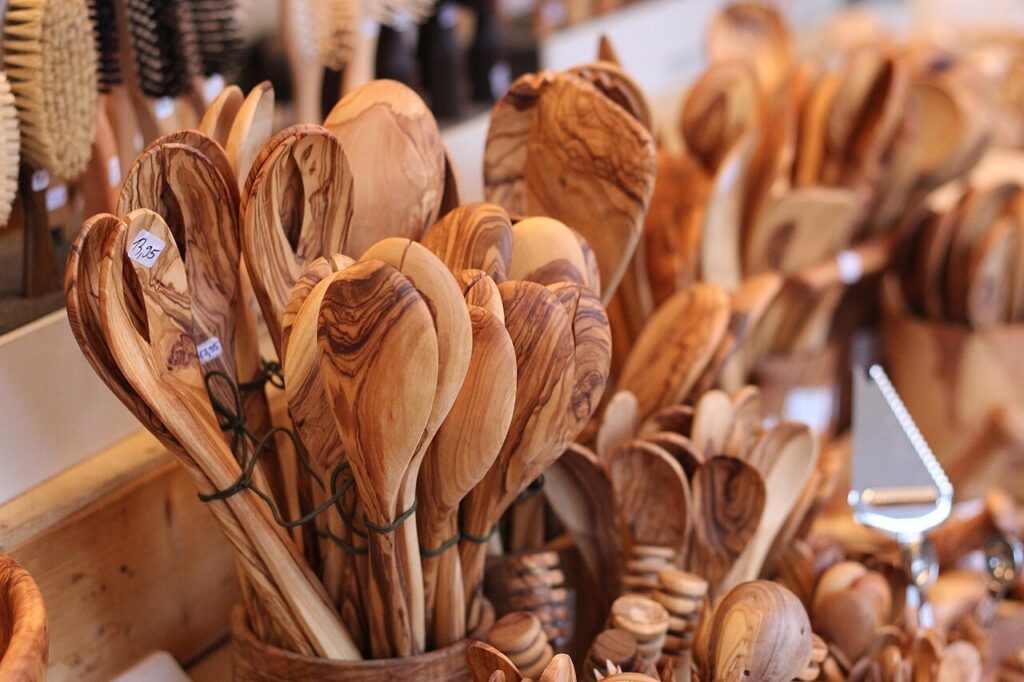
Kenya’s Kamba carvers turn the same skill they bring to animal sculptures into everyday kitchenware. You can buy spoons, ladles and salad servers, usually shaped from wild olive wood for its warm colour and fine grain.
Price range: KSh 400 to 3,000 (roughly $3 to $23), depending on size and whether it’s a single piece or a set.
Buying tip: A little unevenness in the shape is a sign of hand carving, not a flaw.
10. Kiondo Baskets
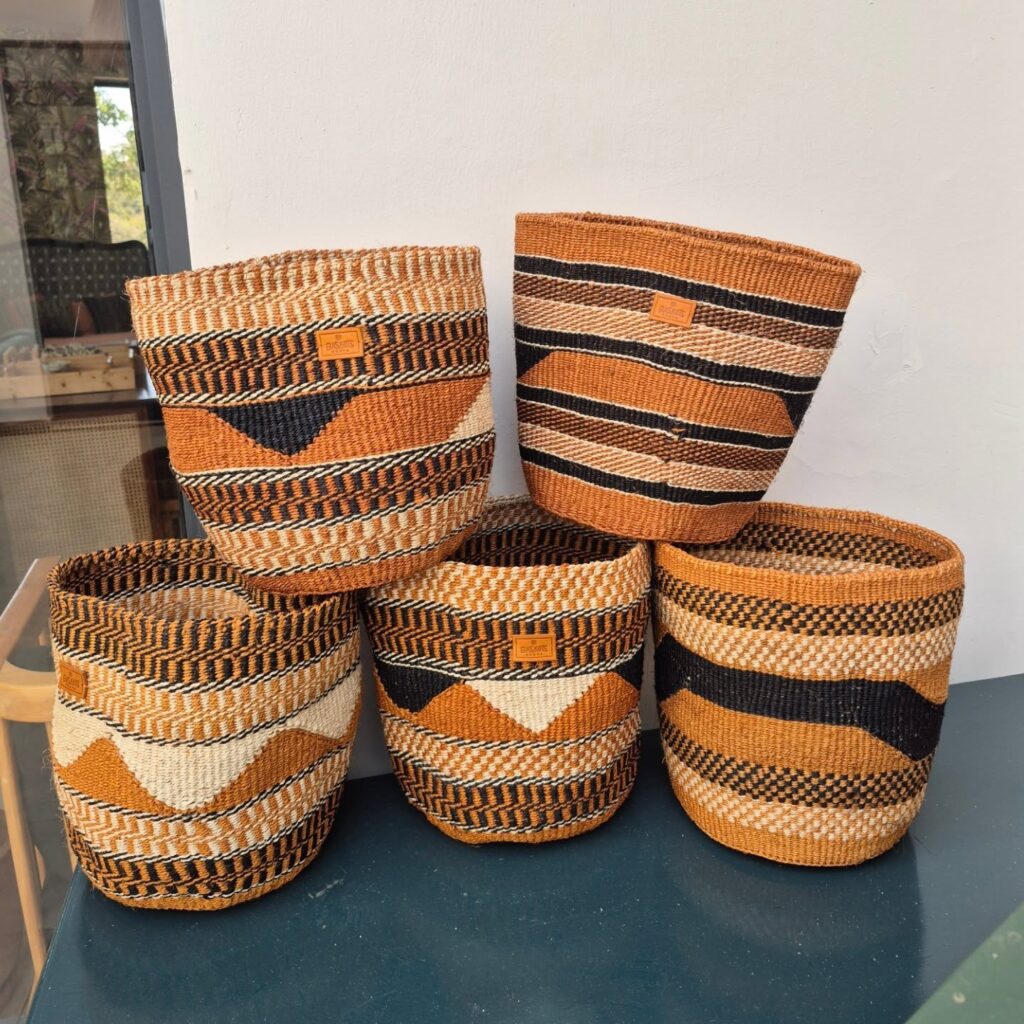
The kiondo is a hand-woven basket bag. It’s mostly made from sisal fibre by Kikuyu women. The fibres are stripped and twisted by hand into strong, pliable twine, then woven layer by layer and often finished with leather straps or handles. Every piece carries small, natural variations from the weaving, which is part of what makes each one unique.
Price range: KSh 1,000 to 5,000 (roughly $8 to $38), depending on size and quality.
Souvenirs from Kenya
Handmade wooden carvings, colorful kitenge fabrics, and soapstone art pieces are some souvenirs showcasing the creativity and diversity of Kenyans. These keepsakes will remind you of your Kenya safari trip and make for meaningful gifts for loved ones back home. Take the time to explore local markets and curio shops and buy a nice gift.