Choosing among the many Kenya safari operators can feel almost as challenging as planning the safari itself. An online search will show companies offering luxury safaris, budget tours, private trips, and group departures. Current safari marketplaces list thousands of Kenya safari itineraries. On the other hand, traveller-review platforms provide a large volume of feedback from people who have already visited the country.
The important thing is not simply to find the company with the cheapest quotation or the most impressive-looking website. Your safari operator influences almost every practical part of your trip, from the vehicle you travel in to your accommodation. A well-planned safari can feel wonderfully effortless because someone else has handled the complicated logistics. The right operator should therefore be judged by the details behind the package, not just the photographs used to sell it.
Types of Kenya Safari Operators
Kenya safari operators serve very different types of travellers, so there is no single model that suits everyone. A couple celebrating an anniversary may want a private 4×4 and luxury tented camp, while a backpacker may be perfectly comfortable sharing a vehicle and choosing budget accommodation. Families often need more flexibility around driving times, meals and accommodation. Solo travellers may prefer a scheduled group departure to keep costs manageable. Understanding these categories before requesting quotations makes it much easier to compare companies offering genuinely similar experiences.
Local Kenya Safari Operators
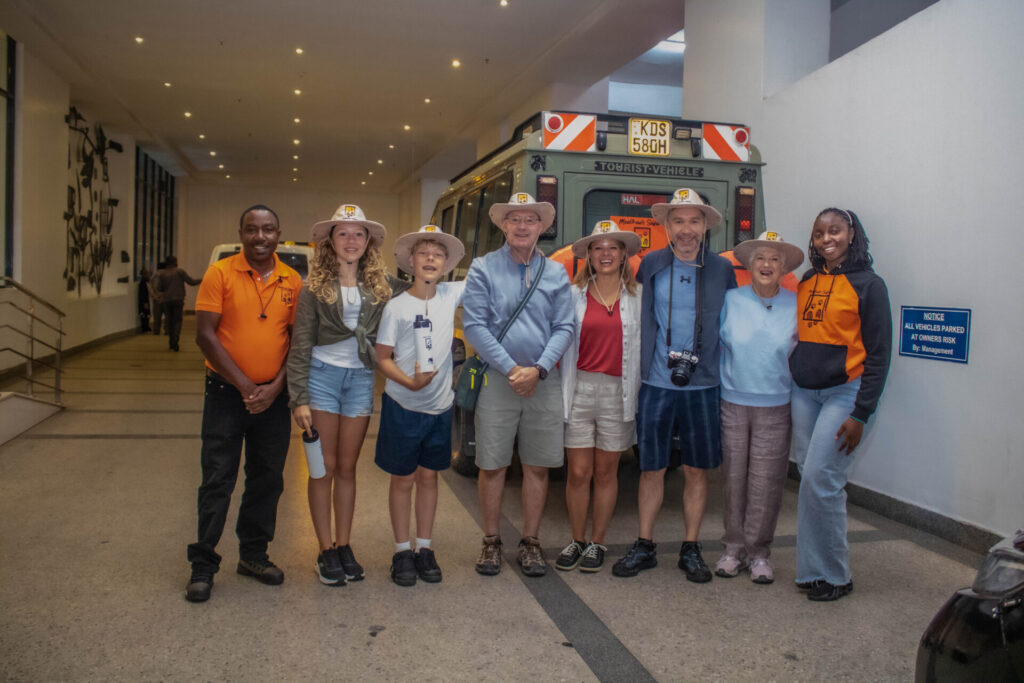
A local Kenya safari operator is based in Kenya and arranges or operates safaris within the country, often with staff, guides and logistical networks on the ground. One of the practical advantages is local destination knowledge. A company regularly operating in the Maasai Mara, Amboseli, Samburu, Nakuru and other destinations may understand seasonal road conditions. Also, they know about accommodation locations, park logistics, and the practical timing needed to connect different parts of an itinerary. This knowledge can become particularly useful when weather, road conditions or accommodation availability require changes.
Direct communication is another consideration. Travellers can often communicate with a Kenya-based team during the planning process and while travelling, rather than dealing exclusively with an overseas intermediary. Local operators can also arrange tailor-made itineraries around a traveller’s interests, whether that means wildlife photography, birdwatching, or a combination of Kenya and Tanzania. When comparing companies, ask whether the company you are communicating with actually operates your safari or whether it will subcontract the trip to another provider.
Luxury Safari Operators
Luxury safari operators focus on high-end experiences, usually combining premium accommodation, private transport and a greater degree of personalisation. Depending on the itinerary, this can include luxury lodges, sophisticated tented camps, private conservancies, private vehicles, domestic flights and personalised game drives. Instead of spending long hours travelling between distant destinations by road, some luxury itineraries use scheduled or chartered flights to connect Nairobi with safari destinations.
Exclusive conservancies can also provide a different experience from the main national reserves. They may offer activities or experiences that are subject to different rules from those inside national parks, depending on the particular conservancy and its regulations. However, the word “luxury” should not automatically mean that everything is included. When comparing quotations, check accommodation category, vehicle arrangements, meals, drinks, park or conservancy fees, flights, transfers and activities separately so that you understand exactly what you are paying for.
Budget Safari Operators
Budget safari operators make Kenya more accessible to travellers who want to experience wildlife without paying for premium accommodation or private transport. These trips may use campsites, budget lodges, guesthouses or simple tented accommodation, depending on the itinerary. Shared safari vehicles are also common, allowing several travellers to divide transport and guide costs rather than paying for an exclusive vehicle.
A lower price does not necessarily mean a poor safari, but it is important to understand what creates the price difference. Ask how many people will share the vehicle, what type of vehicle will be used, where you will stay, whether park fees are included, and how much time is actually allocated for game drives. A quotation that looks substantially cheaper than others may simply exclude expenses that another company has already included. Comparing the same inclusions is therefore much more useful than comparing headline prices alone.
Family-Friendly Safari Operators
A family safari operator should understand that travelling with children requires more than simply placing a family into a standard adult itinerary. Younger travellers may need shorter driving periods, suitable meal arrangements, flexible schedules and accommodation with appropriate facilities. Families may also prefer private vehicles because they allow the group to decide when to stop, when to return to camp and how to manage unexpected changes during the day.
Before booking, tell the operator the children’s ages and what kind of experience your family wants. Ask whether the proposed accommodation accepts children of those ages, whether family rooms or connecting rooms are available, and which activities are appropriate for them. A thoughtful itinerary can turn a long safari drive into an enjoyable family experience rather than a tiring transfer between destinations.
Group Safari Operators
Group safari operators organise shared departures where travellers who may not know one another travel together. The main attraction is cost: vehicle, guide and sometimes other operating expenses are divided among the passengers.
Before joining a group safari, ask exactly how many people will be in the vehicle and whether that number is guaranteed. Check the departure dates, accommodation arrangements, pickup locations, game-drive schedule, and rules for the group. You should also understand whether the itinerary can be changed if you have a special interest, because scheduled group trips generally provide less flexibility than private safaris.
Popular Destinations Covered by Kenya Safari Operators
Kenya’s safari circuit is diverse, and different destinations offer different landscapes and wildlife experiences. A good operator should explain why a particular park fits your interests rather than simply adding famous destinations to an itinerary. The right combination depends on the length of your trip, the season, your budget, and the animals or experiences you hope to see.
Maasai Mara National Reserve
The Maasai Mara National Reserve is one of Kenya’s best-known safari destinations and is particularly associated with big cats, abundant plains wildlife, and the annual wildebeest migration. Wildlife is present throughout the year, although the character of sightings changes with seasonal conditions. The wider Mara ecosystem also contains conservancies and private wildlife areas that can provide different accommodation and activity options.
If the Great Migration is your main reason for visiting, ask the operator exactly which part of the Mara ecosystem your accommodation is located in and how much time will be spent there. Migration sightings cannot be guaranteed, so a responsible operator should avoid promising a particular wildlife event as though it were scheduled entertainment.
Amboseli National Park
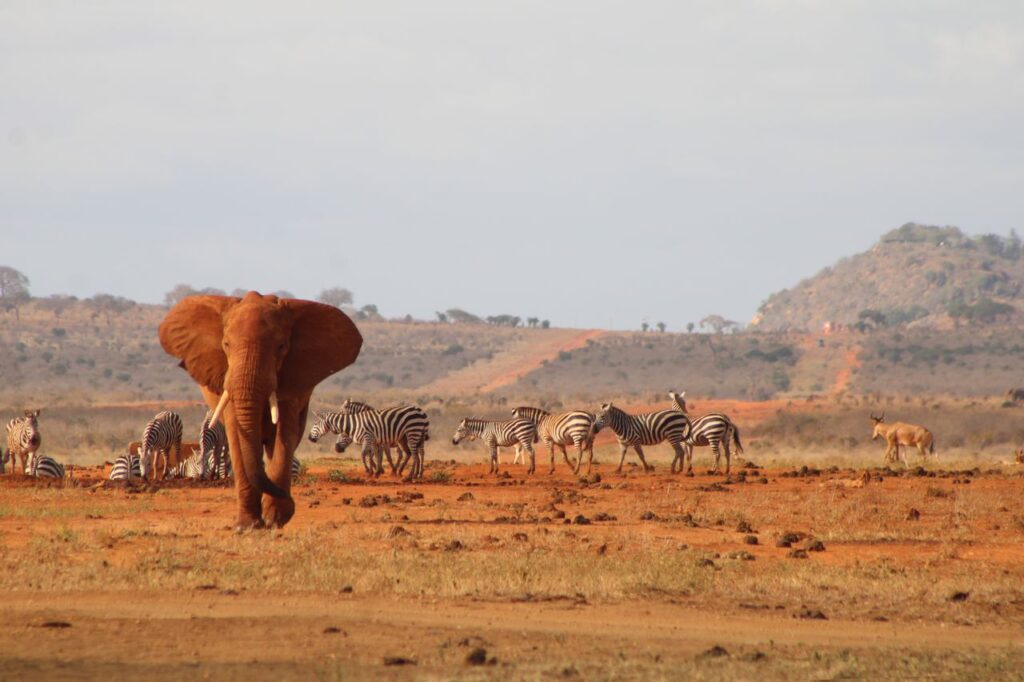
Amboseli National Park is famous for its large elephant herds and dramatic views toward Mount Kilimanjaro. The park is an important destination for large elephant encounters, with open plains, woodlands, wetlands, and substantial birdlife.
Amboseli works particularly well for travellers interested in elephants, landscape photography, and distinctive scenery. Ask your safari operator how many nights they recommend rather than automatically treating it as a quick stop between Nairobi and another destination. The amount of time available for game drives can make a noticeable difference to the experience.
Lake Nakuru National Park
Lake Nakuru National Park combines wildlife viewing with Rift Valley scenery and is known for rhinos and birdlife. The landscape is different from the open plains of the Mara and the elephant-focused experience associated with Amboseli, making it a useful addition to a multi-park Kenya itinerary.
When comparing itineraries, check whether your Lake Nakuru visit includes sufficient time for a game drive rather than simply being a short stop on a long transfer. The park can work particularly well as part of an itinerary linking Nairobi, the Maasai Mara and other destinations in the Rift Valley.
Samburu National Reserve
Samburu National Reserve takes travellers into northern Kenya. This is where the landscape and wildlife character differ from the southern safari circuit. The area is known for northern Kenya wildlife and the so-called Samburu Special Five: Grevy’s zebra, reticulated giraffe, gerenuk, Beisa oryx and Somali ostrich.
Samburu can be especially appealing to repeat safari travellers who want something different from the classic Mara-Amboseli route. Because it lies farther north, ask your operator to explain the driving times or flight connections before adding it to a short itinerary.
Ol Pejeta Conservancy
Ol Pejeta Conservancy is particularly associated with rhino conservation and offers travellers opportunities to learn about wildlife protection alongside traditional game viewing. This makes it an interesting choice for people who want their safari to include a stronger conservation component.
When comparing Ol Pejeta packages, ask which conservation experiences are included in the quotation and which require additional payment. This is another example of why two itineraries with the same number of days can provide very different experiences.
Tsavo National Parks
Tsavo East and Tsavo West cover extensive wilderness areas in southeastern Kenya and provide a different visual experience from the Mara. The Tsavo ecosystem is associated with large landscapes, elephants, and varied terrain, with Tsavo West particularly known for its volcanic and rocky scenery.
Tsavo can make sense for travellers combining safari with Kenya’s coast because of its geographical position. Your operator can advise whether Tsavo East, Tsavo West or both fit your route and available time.
What Services Do Kenya Tour Operators Provide?
A tour operator in Kenya should not simply sell tourists a vehicle and accommodation. The company may coordinate itinerary planning, airport transfers, safari vehicles, professional driver-guides, accommodation, park or conservancy fees, meals and domestic flights, depending on the package. Some operators also arrange additional activities, travel advice and support before and during the journey.
This is why a detailed quotation matters. Ask the company to show exactly what is included instead of relying on a single total price. If one operator quotes a lower figure but excludes park fees, airport transfers and several meals, while another includes them, the two prices are not genuinely comparable.
A professional quotation should also make the itinerary easy to understand. You should know where you will sleep each night, how you will travel between destinations, whether the safari is private or shared, what vehicle is being used, and what happens if you need to make a change. Current guidance from Kenya’s Tourism Regulatory Authority also highlights the importance of verifying business information, licensing, and clear written trip details when assessing a safari company.
How to Choose the Best Kenya Safari Operator for Your Trip
Instead of looking for a company that someone else has labelled “the best,” build your own comparison checklist. Start with the things that can be verified: reviews, experience, itinerary details, inclusions, vehicles, credentials, and payment terms. A company that matches your particular needs may be a better fit than one that is simply highly visible online.
Check Reviews and Traveller Feedback
Reviews can reveal details that a company’s website may not explain. Look at Google reviews, SafariBookings, and TripAdvisor, and pay attention to the number of reviews and how recent they are. SafariBookings currently displays more than 1,700 Kenya reviews and thousands of Kenya safari itineraries, providing a substantial amount of traveller feedback and itinerary information.
Do not focus only on the star rating. Read what travellers actually mention: Was the guide knowledgeable? Was the vehicle comfortable? Did airport transfers happen as promised? Was communication good before the trip? Did the accommodation match the quotation? Patterns across many recent reviews can tell you much more than one enthusiastic testimonial.
Check Experience and Local Knowledge
Ask how long the company has operated, which destinations it regularly covers, and whether its guides have substantial experience in those areas. A company that sells a destination is not necessarily the same as a company that operates there regularly.
Guide experience matters because the guide is the person who translates the itinerary into the actual safari experience. Ask whether you will have a dedicated driver-guide, whether guides are trained or certified, and whether you can request a guide with particular experience in wildlife photography, birding, or family travel. Kenya’s Tourism Regulatory Authority has highlighted guide experience and KPSGA certification as useful considerations when assessing safari operators.
Compare Safari Itineraries
Do not compare itineraries simply by counting days. Compare what those days contain. A seven-day safari with long road transfers can feel very different from a seven-day itinerary with carefully positioned accommodation and efficient internal flights.
Look at the number of nights in each destination, approximate driving times, game-drive schedules, accommodation locations, and whether the itinerary allows enough time for wildlife viewing. If your main interest is the Maasai Mara, for example, ask whether the itinerary gives you multiple game-drive opportunities rather than squeezing the reserve into a short stop.
Compare What Is Included
A useful comparison table can prevent misunderstandings:
| Safari cost item | Questions to ask |
|---|---|
| Accommodation | What property and room category are included? |
| Park fees | Are current park or conservancy fees included? |
| Meals | Which meals are included each day? |
| Transport | Is the vehicle private or shared? |
| Guide | Is a professional driver-guide included? |
| Airport transfers | Are Nairobi or other transfers included? |
| Activities | Are cultural visits or special experiences included? |
| Flights | Are domestic flights included where applicable? |
| Transfers | Are road transfers between destinations included? |
The more detailed the quotation, the easier it becomes to compare different Kenya safari operators fairly. It also gives you something concrete to refer back to if an inclusion is later disputed.
Ask About the Safari Vehicle
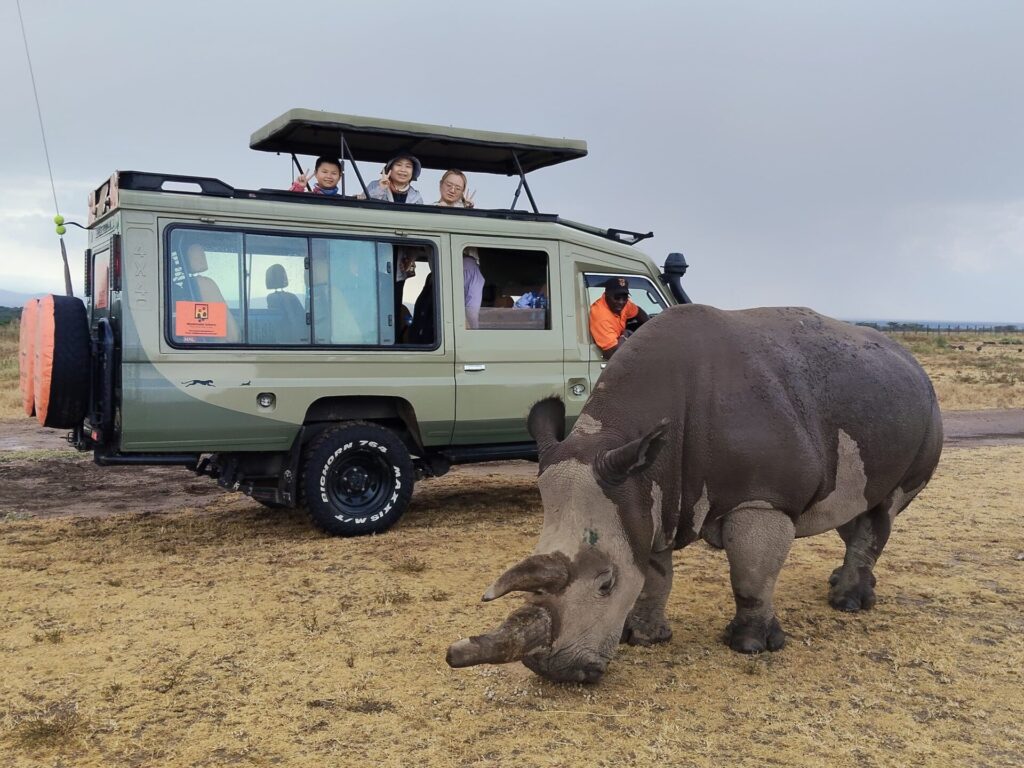
The safari vehicle can have a major effect on your experience. Ask whether the company uses a 4×4 Land Cruiser or a safari minivan, whether the vehicle has a pop-up roof, how many passengers it carries, and whether everyone gets a window seat.
You can also ask about charging facilities, luggage capacity, vehicle maintenance, and whether the vehicle is assigned exclusively to your group. For photographers, wildlife enthusiasts, and families, these details may be particularly important. A low-priced safari may look attractive until you discover that several travellers share a vehicle designed for a different style of trip.
Verify Company Credentials
Before paying a deposit, verify the company’s identity and relevant credentials. Kenya’s Tourism Regulatory Authority guides trustworthy safari companies and recommends checking business registration and licensing information. Industry membership, such as membership of the Kenya Association of Tour Operators (KATO), can also be another point to investigate, although it should not replace your own checks of the company’s specific credentials and terms.
You should also receive clear payment, cancellation, and refund terms in writing. Be cautious if a company refuses to provide basic business information, gives vague answers about what your payment covers, or pressures you to make a payment before providing a proper itinerary and quotation. Current Kenya-focused guidance similarly recommends checking licensing, written inclusions, vehicle details, and payment terms before committing funds.
Conclusion
Choosing among Kenya safari operators is ultimately about matching the company to the safari you want to experience. Taking time to compare the details can help you book a safari that fits your expectations, budget, and travel style.