

Kenya is a destination that can completely change the way you think about Africa. One morning you can be watching a lion moving quietly through the grasslands of the Maasai Mara, and a few days later, see elephants cross the plains of Amboseli. For Chinese tourists looking for wildlife, adventure, and culture, Kenya offers an unusually diverse travel experience without requiring a complicated journey between several countries. Planning a first trip, however, is easier when you understand how travel in Kenya actually works. This Kenya travel guide for Chinese tourists covers the practical information you need to plan a comfortable trip.
Why Kenya Is Becoming a Popular African Destination
Kenya offers something that is difficult to reproduce elsewhere: the chance to experience African wildlife in its natural environment while still enjoying a well-established safari infrastructure. For many first-time visitors from China, the biggest attraction is wildlife. The Big Five animals are found in several Kenyan destinations, while the Maasai Mara is internationally associated with the wildebeest migration.
The experience is not simply about ticking animals off a list; it is about watching behaviour unfold in real time. A lion resting beside a safari vehicle, elephants communicating across a valley, or giraffes walking through golden grass can make a game drive feel more like a documentary happening around you.
Kenya also works well for travellers who want more than a safari. Nairobi provides restaurants, shopping, cultural attractions, and wildlife experiences. The Kenyan coast has a completely different atmosphere around Mombasa, Diani, and Watamu. You can combine wildlife with beaches, add a cultural visit, photograph landscapes, or spend several nights at a luxury safari camp. That variety is one reason Kenya can suit first-time African travellers and people who have already visited other destinations.
Kenya Travel Requirements for Chinese Tourists
For Chinese travellers, one of the first things to arrange is the Kenya Electronic Travel Authorisation (eTA). Kenya’s official immigration platform states that visitors, including children and infants, generally need an approved eTA before beginning their journey unless they fall within an exemption category. You should have a passport valid for at least six months after your planned arrival, with at least one blank page. A passport-style photograph, contact details, travel information, and accommodation confirmation are also needed.
The application should be completed through the official Kenyan government eTA platform rather than relying on an unofficial website. Entry requirements can change, so always check the official eTA platform before travelling.
Best Time to Visit Kenya
There is no single month that is perfect for every traveller because the best time to visit Kenya depends on what you want to see and how you want to travel. If your priority is wildlife viewing, the dry periods are often attractive because vegetation is less dense and animals may gather around available water sources.
The wetter months can also be rewarding. Kenya becomes greener, landscapes can look especially dramatic, and many areas have fewer visitors. Photographers may appreciate the skies, fresh vegetation, and softer landscapes. Travellers who are more interested in a quieter safari atmosphere may prefer periods outside the busiest travel months. Prices can also vary considerably depending on accommodation, park fees, and season.
Rather than choosing dates solely because they are described as “the best,” tell your safari operator what you most want to experience. Are you interested in big cats, elephants, migration, photography, birdlife, culture, or a mixture? That way, they can build an itinerary around that priority.
How to Travel From China to Kenya
Most international visitors begin their Kenyan journey at Jomo Kenyatta International Airport in Nairobi. Flight options depend on your Chinese departure city and travel dates, and itineraries may involve direct or connecting services. Kenya Airways currently lists Nairobi–Guangzhou services and also displays routes involving cities such as Beijing and Shanghai, although schedules and fares vary by date.
When comparing flights, do not look only at the ticket price. A slightly cheaper itinerary with a long connection can leave you exhausted before your safari even begins. Consider baggage allowance, connection time, arrival hour, and the time needed to reach your hotel. If your safari starts the morning after your international arrival, an airport hotel or Nairobi hotel can be useful because it gives you time to recover from a long journey. This is particularly helpful for families and older travellers.
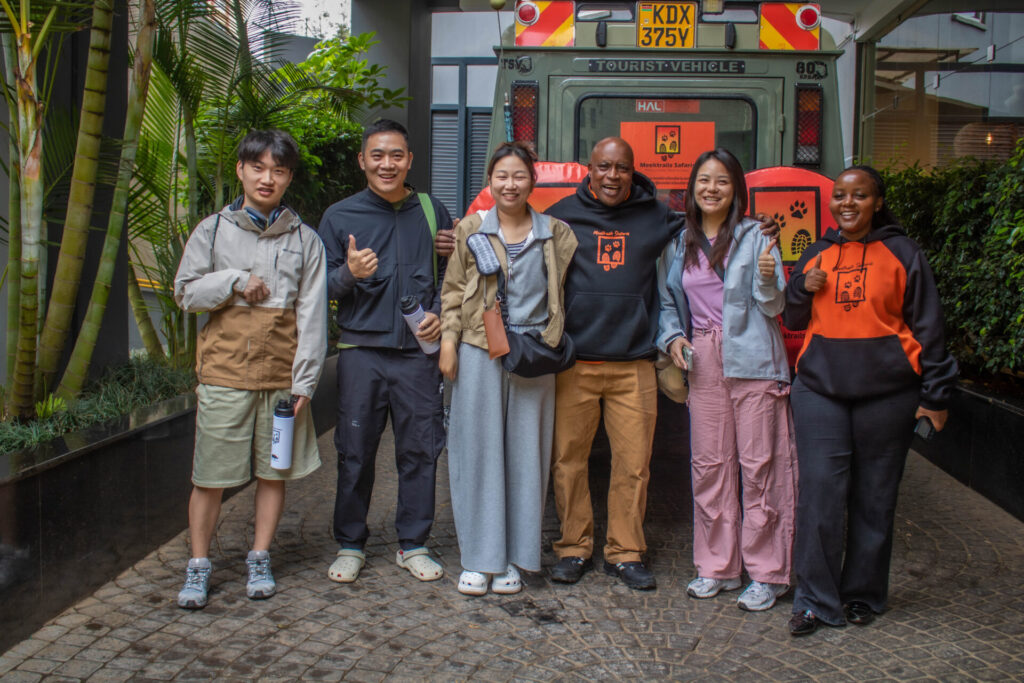
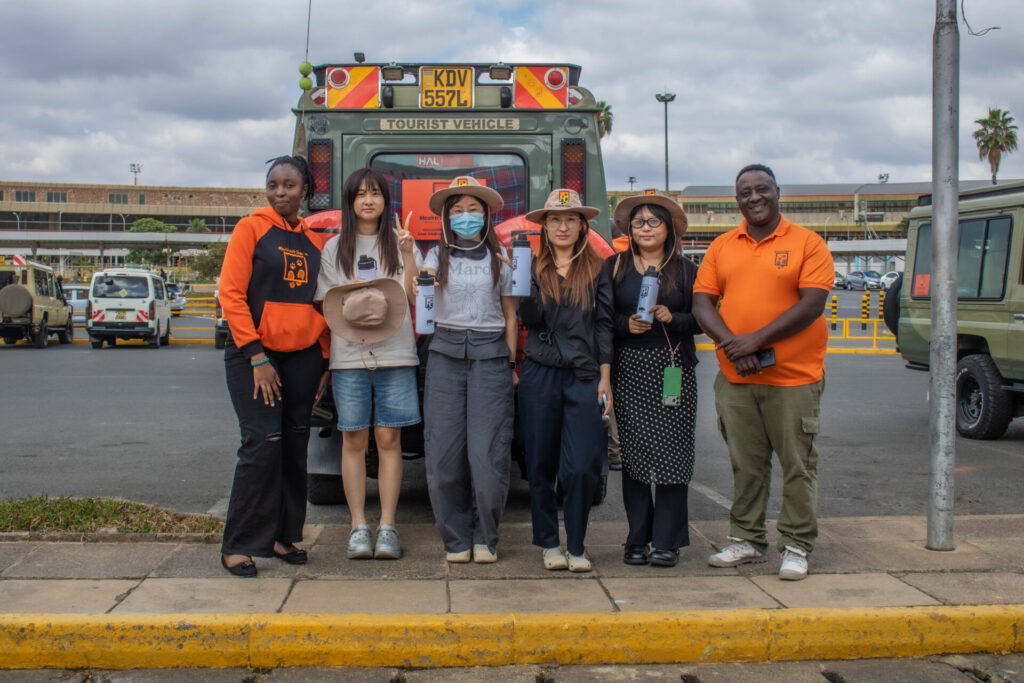
A good Kenya safari operator, like Meektrails Safaris, can arrange airport transfers and coordinate the first stage of your trip. This removes one of the most stressful parts of arriving in an unfamiliar country: figuring out transportation immediately after a long international flight.
Best Places to Visit in Kenya
Kenya is much larger and more diverse than a simple “safari destination” description suggests. Your route can include wildlife reserves, national parks, cities, mountains, lakes, beaches, and cultural destinations. The right combination depends on how many days you have available.
Nairobi
Nairobi is often the gateway to a Kenyan holiday and deserves more than a quick airport transfer. The city provides a useful introduction to Kenya before heading into the bush. Travellers can explore restaurants, shopping areas, cultural attractions, and wildlife-related experiences. Spending one or two nights in Nairobi can also make the international journey less tiring.
Maasai Mara
The Maasai Mara National Reserve is one of Kenya’s most famous safari destinations. It is particularly known for lions, cheetahs, leopards, elephants, buffalo, giraffes, and large concentrations of plains game. The annual wildebeest migration adds another layer of spectacle, although wildlife is present throughout the year.
For Chinese tourists visiting Kenya for the first time, three nights in the Mara can provide enough time for multiple game drives rather than rushing through the reserve. Current travel guides for Chinese-speaking visitors commonly recommend around three nights in the Mara when building a seven-day first safari.
Amboseli National Park
Amboseli National Park offers a very different visual experience. The park is famous for its large elephant populations and spectacular views toward Mount Kilimanjaro. On a clear morning, an elephant standing against the mountain can create one of the most memorable photographs of an African holiday.
Amboseli works particularly well for photographers because the combination of wildlife, open landscapes, and the mountain creates strong compositions. It also gives visitors a contrast to the Mara, making the two destinations a natural combination for a first Kenya safari.
Lake Nakuru
Lake Nakuru is another useful addition for travellers who want to see rhinos and a variety of birdlife. The landscape is different from the Mara and Amboseli, with the lake providing a backdrop for wildlife viewing. Its relatively convenient location within a broader Kenyan circuit can make it practical for travellers who prefer a road-based itinerary.
Choosing a Kenya Safari
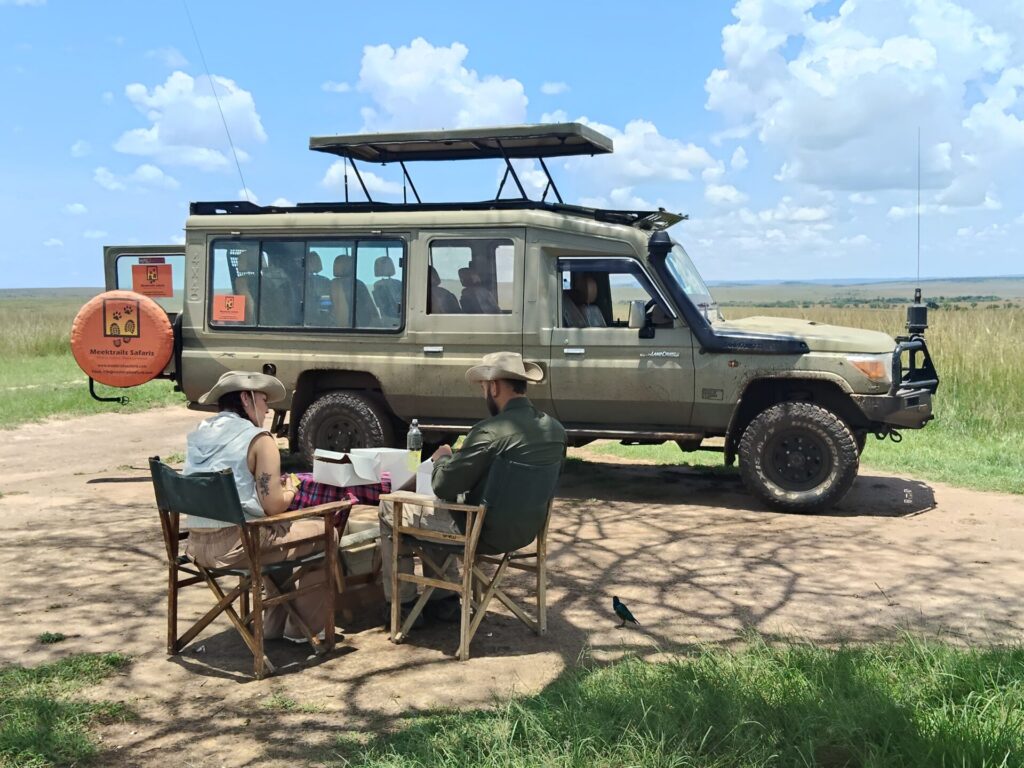
Your choice of safari style can dramatically change the experience. Private safaris provide greater flexibility because you can influence the daily schedule, vehicle arrangements, stops, and pace. This can be especially valuable for Chinese families, couples, or groups who want Mandarin-speaking assistance or specific photography opportunities.
Group safaris can be more economical, but you generally have less control over the itinerary and other travellers’ preferences become part of the experience. If language support is important, ask exactly who will be travelling with you and whether the guide speaks Mandarin fluently.
When requesting safari quotations, compare what is actually included. Two packages may have very different prices because one includes park fees, airport transfers, domestic flights, and full-board accommodation while another does not. Ask for the details in writing rather than comparing only the headline price.
Kenyan Food and Chinese Dietary Preferences
Food is an important part of travel. Kenyan cuisine includes dishes such as nyama choma, ugali, rice, chapati, vegetables, and fresh fruit. Safari lodges and hotels serving international visitors usually offer a wide range of meals, so Chinese travellers can normally find familiar options alongside local dishes.
If you have specific dietary requirements, communicate them before arrival rather than waiting until you reach a remote safari camp. This is particularly important for allergies, vegetarian diets, or religious dietary restrictions. You can also ask whether the lodge can prepare rice, noodles, or other familiar foods when travelling with children or older family members.
Trying local food can become one of the most enjoyable parts of a Kenya trip. You do not need to abandon familiar food completely; instead, treat Kenyan cuisine as another part of the journey. A good itinerary can give you comfort and opportunities to try something new.
Money, Mobile Payments, and Internet
The Kenyan shilling (KES) is the country’s official currency. International cards are widely accepted in hotels, lodges, and many urban businesses. Cash can still be helpful for smaller purchases, tips, and places where card payments are unavailable. US dollars are also commonly used in the tourism industry, particularly for safari-related services.
You should not assume that payment systems they commonly use at home will be accepted everywhere in Kenya. Some tourism businesses may have digital payment options, but Alipay and WeChat Pay should not be treated as universally available. Carrying an internationally accepted card and having access to some local cash provides a useful backup.
Internet access is available in cities and most tourist hotels, while remote safari camps can have weaker or slower connections. If you need constant connectivity, consider purchasing a Kenyan SIM or arranging an eSIM where compatible with your phone. Your safari operator can also advise you about connectivity on your particular route.
Accommodation in Kenya
Accommodation ranges from international hotels in Nairobi to luxury safari lodges, tented camps, boutique properties and more affordable safari camps. The word “tent” can be misleading to first-time safari travellers because luxury tented camps can have proper beds, bathrooms, electricity, dining areas and other hotel-style comforts.
Chinese tourists travelling with family may prefer properties with larger rooms, family units and flexible meal options. Couples may prefer intimate camps in private conservancies, while photographers may prioritise locations that provide longer time in wildlife areas. The accommodation itself can become part of the safari experience, especially when you wake up to birdsong or watch elephants from a lodge viewpoint.
When comparing hotels, look beyond photographs. Check location, room configuration, meal plan, Wi-Fi availability, power arrangements, accessibility and transfer times. A beautiful lodge that requires a long daily transfer to the wildlife area may not provide the experience you expected.
Safety Tips
Kenya welcomes international visitors, but travellers should use normal precautions, especially in busy urban areas. Keep passports, phones, cameras, and large amounts of cash secure. In Nairobi, your hotel or tour operator can recommend reliable taxis and transport providers.
Safari destinations require a different kind of awareness. Follow your guide’s instructions around wildlife, remain inside the vehicle unless your guide has confirmed that it is safe to exit, and never approach animals independently. A wild elephant may appear calm, but it remains a powerful animal capable of moving quickly.
Health preparation should also be discussed with a qualified medical professional before travelling. Requirements can depend on your health, itinerary, and countries visited before Kenya. Travel insurance covering medical treatment, cancellations, and emergency evacuation is also sensible for an international safari holiday.
A Sample 7-Day Kenya Safari Itinerary
A seven-day itinerary can provide a good introduction to Kenya without attempting to cover too much ground. A practical first-trip structure used by current Kenya safari planners is one arrival night in Nairobi, three nights in the Maasai Mara and two nights in Amboseli, followed by the journey back toward Nairobi.
Day 1: Arrive in Nairobi, meet your driver and rest at your hotel.
Day 2: Travel to the Maasai Mara and enjoy an afternoon game drive.
Days 3–4: Spend full days exploring the Maasai Mara, with morning and afternoon game drives.
Day 5: Transfer toward Amboseli, using a flight where practical to reduce long road travel.
Day 6: Enjoy a full day in Amboseli with elephant viewing and opportunities to see Mount Kilimanjaro.
Day 7: Morning game drive followed by transfer to Nairobi for your international departure or an additional overnight stay.
The route can be expanded to eight or ten days by adding Lake Nakuru, Samburu, Nairobi experiences or a coastal extension. Current travel guides aimed at Chinese-speaking visitors similarly suggest adding extra nights when travellers want a slower pace or additional destinations.
What to Pack for Kenya
Packing for Kenya is easier when you think about the different environments you will experience. Safari mornings can be surprisingly cool, while afternoons may become warm and sunny. Lightweight layers are therefore more practical than packing only heavy or very light clothing.
Bring comfortable walking shoes, lightweight trousers, shirts or T-shirts, a light jacket, sunglasses, sunscreen, insect repellent, a hat and personal medication. A camera with spare batteries or charging equipment is useful because safari photography can quickly consume battery power. Binoculars can also improve wildlife viewing, particularly when animals are far from the vehicle.
Neutral-coloured clothing is often practical for safari because it is comfortable and photographs naturally against the landscape. You do not need to purchase an entirely new safari wardrobe; comfortable outdoor clothing is usually sufficient.
Kenya Travel Costs
There is no single price for a Kenya holiday because costs depend on season, accommodation level, transport, number of travellers, and safari duration. A private luxury safari with internal flights and high-end camps will naturally cost much more than a shared road safari using mid-range accommodation.
Park and reserve fees also form part of the overall cost. Because park charges can change, you can request the current fees in the quotation rather than relying on an old blog article.
The best way to compare safari prices is to ask for a complete quotation showing accommodation, meals, transport, guide, park fees, and any additional charges. This makes it much easier to understand why two apparently similar packages have different prices.
Cultural Etiquette and Local Experiences
Kenya’s cultural diversity is one of the reasons a safari can become much more meaningful when you go beyond wildlife. You may encounter Maasai communities around the Mara, local markets in towns, coastal Swahili culture, or Nairobi’s modern urban lifestyle. Cultural visits should be approached respectfully, particularly when photography is involved.
Ask before photographing people, respect local customs, and listen to your guide’s explanation of appropriate behaviour. A cultural experience should not feel like a performance created solely for tourists. It should provide an opportunity to learn about the community and its traditions.
Chinese visitors may also find Kenya’s social interactions different from what they are accustomed to. A warm greeting, patience, and curiosity can go a long way. Learning a few simple Swahili words such as “Jambo” for hello and “Asante” for thank you can make everyday interactions more enjoyable.
Kenya safari from China
The best Kenya safari memories are rarely created by how many places you manage to visit; they come from the moments you have enough time to stop and experience. We hope this Kenya travel guide for Chinese tourists helps you in your planning.