
Kenya is one of Africa’s most rewarding safari destinations. A well-planned Kenya safari lets you see the Big Five, interact with Kenyan people, sleep in comfortable accommodations, and travel in a well-maintained safari vehicle. With the right destination and timing, the country can deliver memorable wildlife experiences year-round. Read this Kenya safari guide to plan your adventure.
Best Safari Destinations in Kenya
Kenya has a wide range of national parks and conservancies. Each destination offers something different, so choose locations according to the wildlife, scenery, and activities we want to experience.
Masai Mara National Reserve
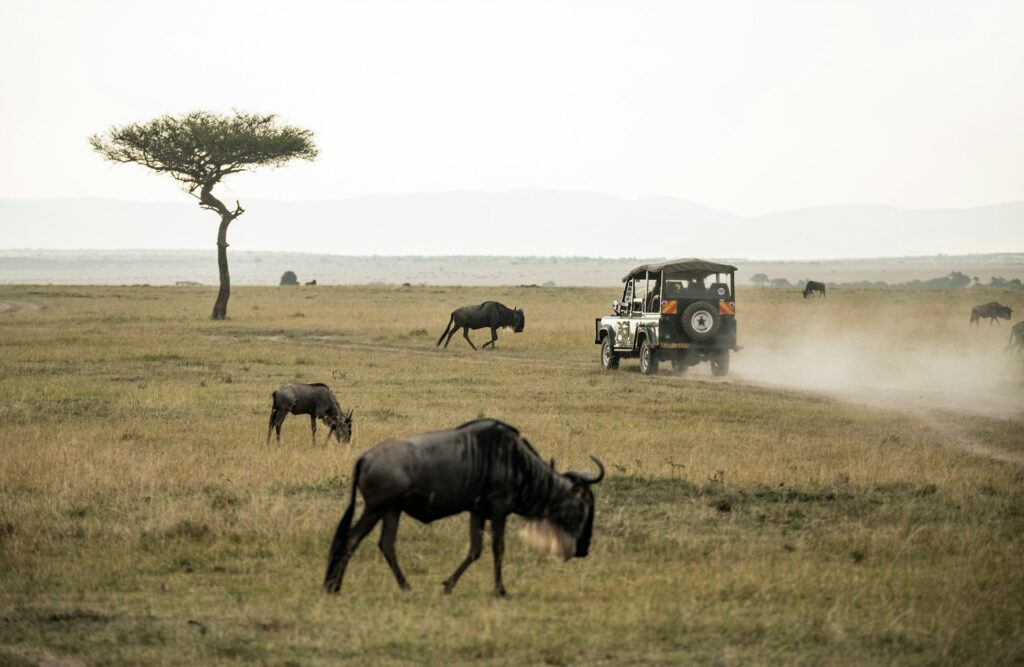
The Masai Mara is the destination most closely associated with a classic Kenya safari. Its open grasslands support large populations of lions, leopards, cheetahs, elephants, buffaloes, and many other species.
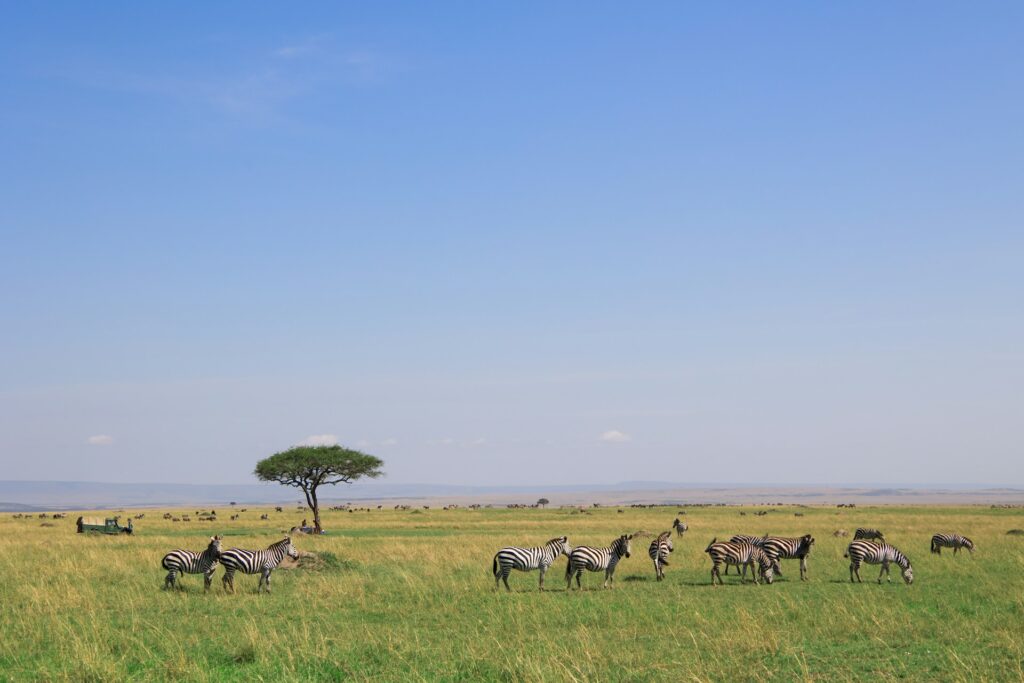
The reserve is particularly famous for the Great Wildebeest Migration, when enormous herds move between Tanzania’s Serengeti and the Mara ecosystem. During the migration season, you may witness dramatic river crossings, predator action, and huge concentrations of wildebeest and zebra.
Even outside the migration period, the Masai Mara remains an excellent year-round safari destination. Resident wildlife means you can enjoy productive game drives in different seasons.
For a more exclusive experience, explore private conservancies surrounding the reserve. These areas often provide lower vehicle numbers, walking safaris, night drives, and intimate encounters with wildlife.
Amboseli National Park
Amboseli National Park is famous for its spectacular views of Mount Kilimanjaro and its large elephant population. The combination of elephants, open plains, and Africa’s highest mountain creates some of Kenya’s most recognizable safari scenery.
The park’s wetlands attract elephants and other wildlife, while dry plains provide excellent opportunities for photography. On clear mornings, we may see Kilimanjaro rising dramatically in the background.
Amboseli works particularly well as part of a southern Kenya safari combined with the Masai Mara.
Lake Nakuru National Park
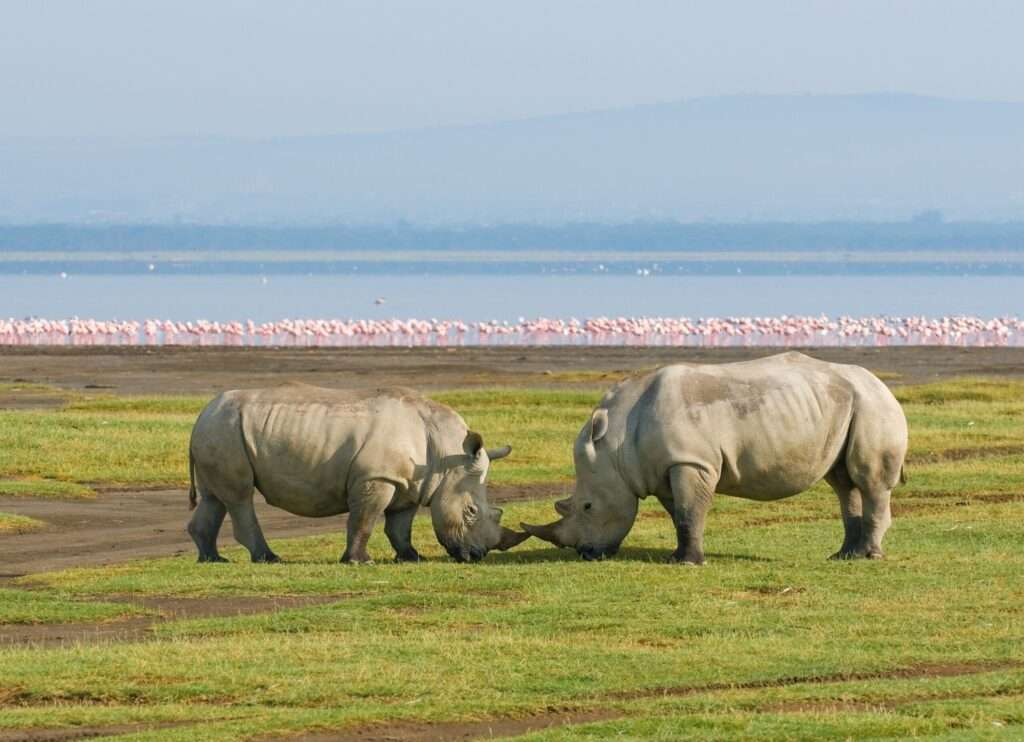
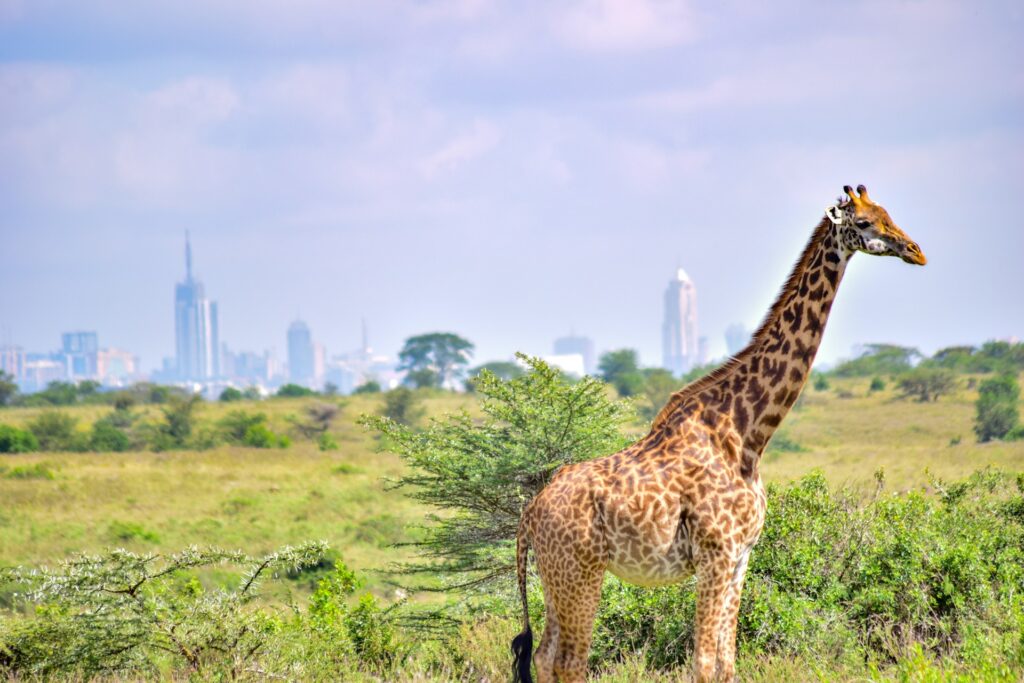
Located in the Great Rift Valley, Lake Nakuru National Park offers a different safari experience. The park is known for its rhinos, lions, leopards, giraffes, and diverse birdlife.
Lake Nakuru has historically been associated with large numbers of flamingos, although their abundance can vary depending on water levels and environmental conditions. The surrounding landscapes, escarpments, and acacia woodlands add variety to game drives.
For travellers with limited time, Lake Nakuru can be an excellent stop between Nairobi and the Masai Mara.
Samburu National Reserve
For a safari away from the more frequently visited southern parks, we recommend Samburu in northern Kenya. The landscape is dry, rugged and strikingly different from the grasslands of the Mara.
Samburu is home to several species associated with northern Kenya, including the Grevy’s zebra, reticulated giraffe, gerenuk and Somali ostrich. Elephants are also commonly seen along the Ewaso Nyiro River.
The destination is especially appealing to travellers who want to combine wildlife viewing with an introduction to the traditions and landscapes of northern Kenya.
Lake Naivasha
Lake Naivasha is a freshwater lake in Kenya’s Rift Valley and provides a relaxing contrast to traditional game drives. You can enjoy a boat ride, observe hippos, and see numerous bird species around the lake.
The area also makes a convenient stop between Nairobi and destinations farther west. Nearby attractions and landscapes make Naivasha a good stop for travellers who want to include more than wildlife viewing in their itinerary.
When Is the Best Time to Go on a Kenya Safari?
There is no single month that is perfect for every traveller. The best time depends on whether you prioritize wildlife viewing, the Great Migration, photography, fewer visitors, or lower travel costs.
June to October: Dry Season
The dry season is widely considered one of the best periods for a Kenya safari. Rainfall is generally lower, vegetation becomes thinner, and wildlife often gathers around reliable water sources.
These conditions can make animals easier to locate during game drives. The period from July to October is also particularly popular for travellers hoping to see the Great Migration in the Masai Mara.
Because this is a popular travel period, we should reserve accommodation and safari arrangements well in advance.
November to December: Short Rains
The short-rain season can bring refreshing changes to Kenya’s landscapes. The vegetation becomes greener, migratory birds arrive, and many areas become less crowded.
Rain does not necessarily mean that safari activities stop. Showers can be brief, leaving plenty of opportunities for game drives.
This period can appeal to travellers looking for a balance between good wildlife viewing, green scenery, and fewer visitors.
January to February: Green Season
January and February can offer excellent wildlife viewing in many parts of Kenya. The landscape is often green, and the period can provide attractive conditions for photography.
For visitors interested in predators and newborn animals, this time of year can be particularly rewarding in some ecosystems.
March to May: Long Rains
The long rains generally bring heavier rainfall, especially from March through May. Some roads can become challenging, but the season also transforms the landscapes with lush vegetation.
Travellers who don’t mind occasional rain may find fewer tourists and attractive rates at some properties. Photography can also benefit from dramatic skies and landscapes.
What Can You See on a Kenya Safari?
A major attraction of Kenya is the sheer variety of wildlife you can encounter.
The Big Five
Kenya offers opportunities to see the Big Five: lion, leopard, elephant, buffalo and rhinoceros.
The Masai Mara is particularly well known for big cats, while Amboseli is famous for elephants. Lake Nakuru and other conservation areas provide important opportunities to see rhinos.
Wildlife sightings can never be guaranteed. Experienced guides understand animal behaviour and ecosystems and can greatly improve our chances of memorable encounters.
The Great Wildebeest Migration
The Great Migration is one of Africa’s most extraordinary wildlife spectacles. Over 1.3 million wildebeest, together with 200,000 plus zebras and other herbivores, move through the Serengeti-Mara ecosystem in search of fresh grazing and water.
The timing and location of the herds change each year. When conditions bring large herds into the Masai Mara, we may witness enormous gatherings and dramatic crossings of the Mara River.
The migration is not simply a single event that occurs on one predictable date. It is a continuous natural cycle influenced by rainfall, grazing conditions, and animal movements.
Elephants
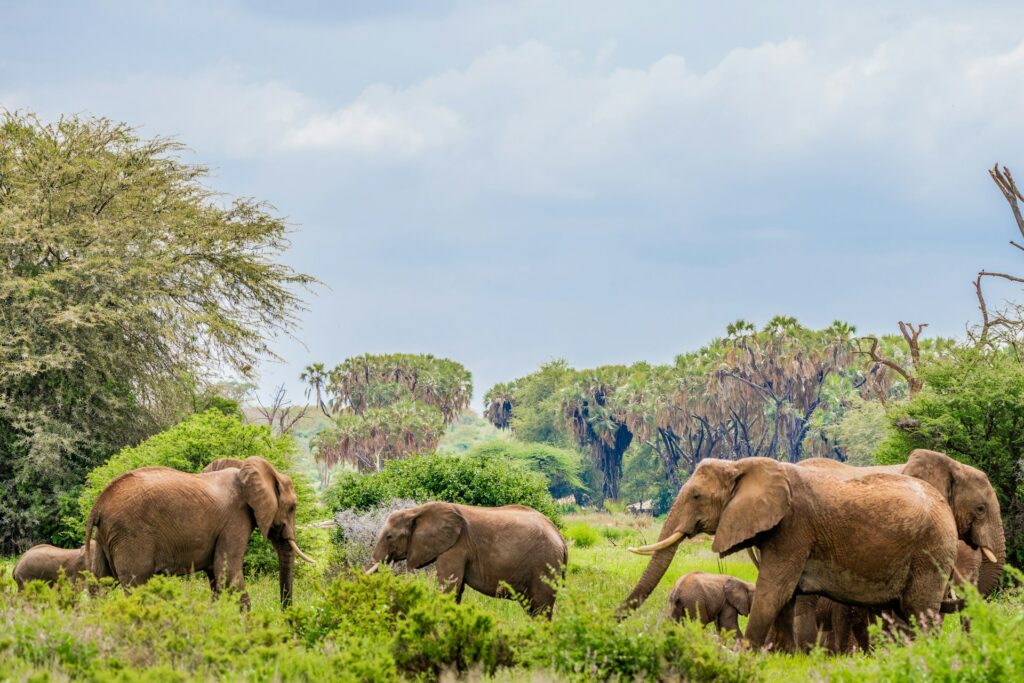
Elephants can be encountered in several Kenyan destinations. Amboseli is particularly famous for its large elephant herds and spectacular views of Mount Kilimanjaro.
Seeing elephants moving across open plains or gathering around wetlands is often a highlight of a safari.
Lions, Leopards and Cheetahs
Kenya is an excellent destination for travellers interested in African big cats. The Masai Mara’s open grasslands provide favourable conditions for observing lions and cheetahs, while leopards can sometimes be found in areas with dense vegetation and riverine habitats.
Early morning and late afternoon game drives are particularly rewarding because wildlife is often more active during cooler parts of the day.
What Does a Typical Kenya Safari Look Like?
A typical safari day usually begins early in the morning. You leave camp or lodge around sunrise, when temperatures are cooler, and wildlife is often active.
After several hours in the bush, you return for breakfast or brunch before enjoying time at the property. Depending on the itinerary, the afternoon may include relaxation followed by another game drive before sunset.
Some safari itineraries also include guided nature walks, cultural visits, boat trips, and community experiences. These activities can make the journey more varied than simply moving between national parks.

How Many Days Do You Need for a Kenya Safari?
The ideal safari length depends on the destinations we want to visit.
A 3-day Kenya safari can work well for travellers with limited time, particularly when focusing on one major destination such as the Masai Mara.
A 5-day safari gives you more flexibility and can combine destinations such as Amboseli and the Masai Mara or Lake Nakuru and the Masai Mara.
For a more comprehensive experience, 7 to 10 days allows us to explore several ecosystems without rushing between destinations.
The most important consideration is travel time between parks. Spending fewer days in fewer destinations provides a better experience than trying to visit too many parks in a short itinerary.
What Should We Pack for a Kenya Safari?
Our Kenya safari guide has to include what to pack. We recommend lightweight, comfortable clothing in neutral or natural colours. Also, carry a warm layer for cool mornings, comfortable walking shoes, sunglasses and a wide-brimmed hat.
A camera with a suitable telephoto lens, binoculars, sunscreen and insect repellent are also useful. A small daypack can help keep essentials accessible during game drives.
For travellers visiting during rainy periods, a lightweight waterproof jacket is worth carrying.
Kenya Safari for Families
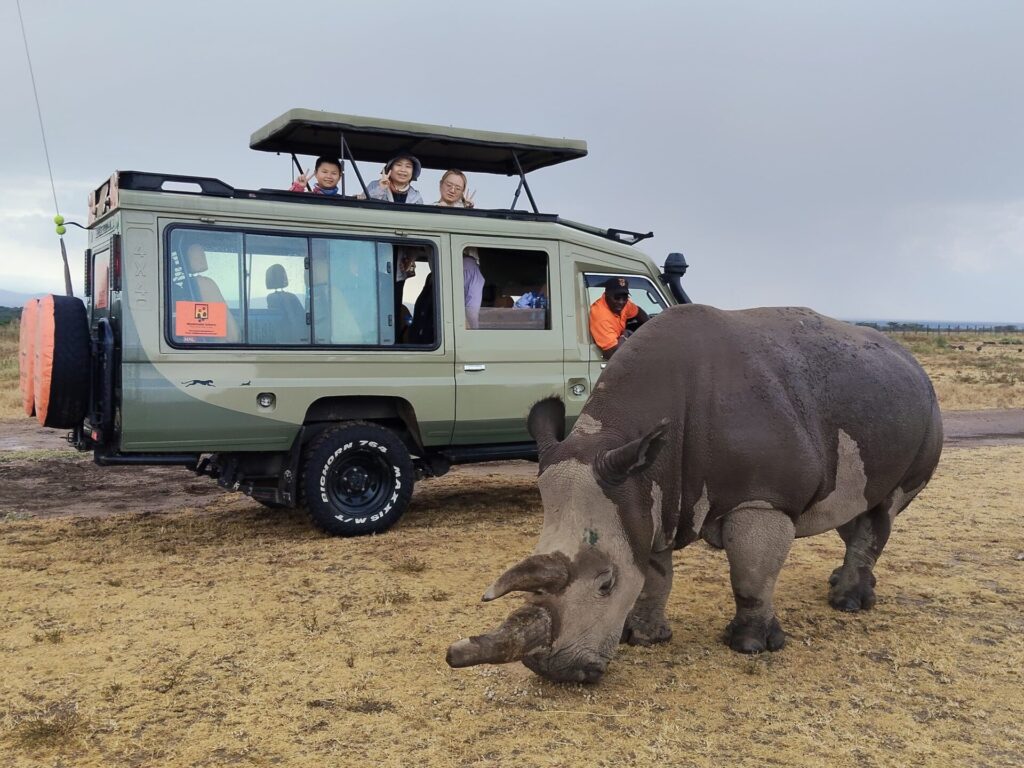
Kenya is also an excellent destination for a family safari. Children can experience wildlife in its natural environment while learning about conservation, geography and local cultures.
When travelling with children, we recommend choosing a comfortable pace and limiting excessively long road transfers. Family-friendly lodges and camps can also provide activities designed to keep younger travellers engaged between game drives.
A tailor-made itinerary allows you to select destinations and accommodation according to the family’s interests, ages, and preferred travel style.
Kenya Safari or Kenya and Tanzania Safari?
Travellers with more time may consider combining Kenya and Tanzania. The two countries share the same broader Serengeti-Mara ecosystem but offer different parks and safari experiences.
A combined itinerary can include the Masai Mara, Serengeti, Ngorongoro Crater, and other destinations depending on the available time and travel arrangements.
For travellers visiting East Africa for the first time, combining both countries can provide a particularly diverse safari experience.
Plan Your Kenya Safari
A successful Kenya safari starts with choosing destinations that match your interests and travelling at a suitable time of year. We hope this Kenya safari guide helps you with your travel plans. Consider choosing Meektrails Safaris for the best tour packages.